

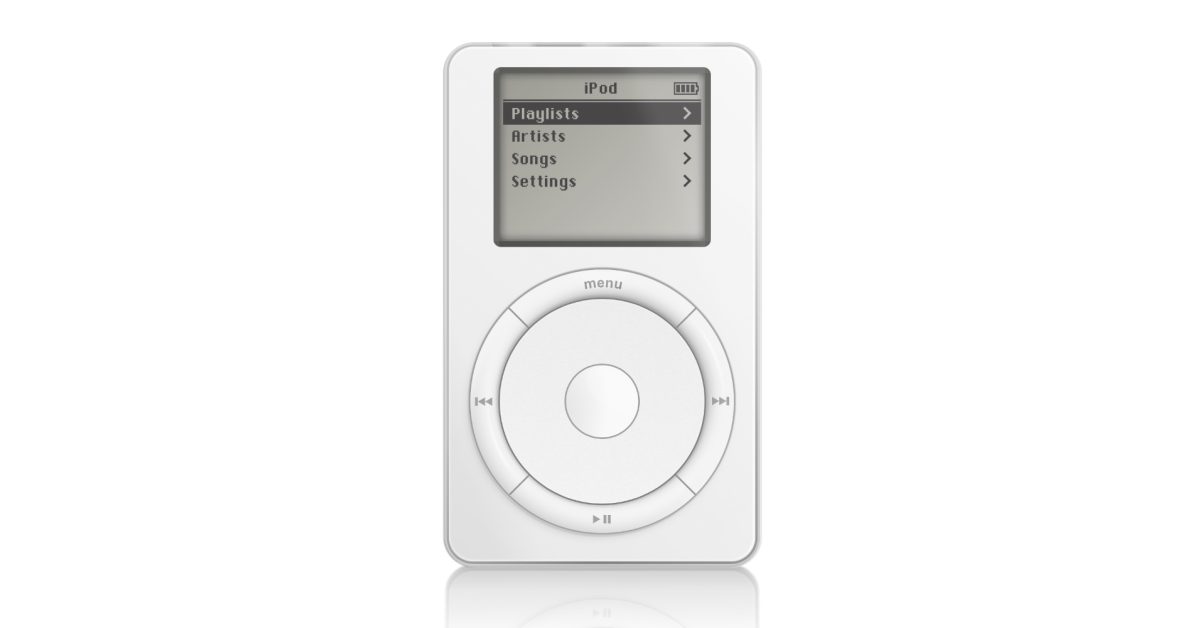
Apple is celebrating the 25th anniversary of the iPod by quietly adding a fully interactive iPod to its website. The surprise appears when visitors reach a Page Not Found screen on the Apple Music website after entering a path that does not exist. Instead of a standard error message, the page displays a detailed digital recreation of the original iPod, complete with a working screen, buttons, and scroll wheel.
The easter egg was noticed around the anniversary of Apple unveiling the first iPod on October 23, 2001. The original device was announced by Steve Jobs as a portable music player capable of putting 1,000 songs in your pocket. At the time, the idea of carrying an entire music library in a device smaller than a paperback book was remarkable. The iPod went on to become one of Apple’s most influential products, shaping the company’s consumer electronics strategy and helping set the stage for the iPhone.
How the interactive iPod works
Visitors who find the hidden page can use the iPod’s on-screen controls much like they would have used the physical device. Clicking the menu, play, pause, forward, and back buttons changes what appears on the small display. The scroll wheel is also functional: users can click and drag around it to move through menus and select options. The experience is designed to feel familiar to anyone who owned an early iPod, while remaining accessible to people who never used one.
The digital iPod includes pre-installed songs, and selecting a track starts a 90-second preview directly in the web interface. The music comes from artists who were popular around the time the original iPod was introduced, giving the easter egg a strong period feel. The screen and controls respond within the page, so visitors can browse menus and play previews without leaving the error page. It is a small but unusually elaborate hidden feature for a company known for tightly controlled product presentations.
The discovery has spread among Apple fans and longtime iPod users, many of whom have described the hidden page as a nostalgic tribute. The iPod has been discontinued for years, but its design language, advertising, and cultural impact remain closely associated with Apple. The white earbuds, the click wheel, and the simple menu system became recognizable symbols of the portable music era. Seeing a working version on a modern website connects that history with Apple’s current services business.
Why the 25th anniversary matters
Apple introduced the iPod on October 23, 2001, during a period when portable music was dominated by CD players and early MP3 players. The first iPod offered 5GB of storage, enough for roughly 1,000 songs, and used a 1.8-inch hard drive. It had a mechanical scroll wheel, a monochrome display, and a FireWire port for syncing with a Mac. It was initially compatible only with Mac computers, which limited its early audience, but a Windows version followed in 2002 and helped expand the product dramatically.
The iPod’s success was not built on hardware alone. Apple paired the device with iTunes, which had launched earlier in 2001 as a music management application. In 2003, Apple opened the iTunes Store, giving users a legal and convenient way to buy individual songs for 99 cents. That combination of hardware, software, and content helped transform how people bought and listened to music. The iPod also pushed Apple into the broader consumer electronics market and gave the company experience in designing portable devices, batteries, storage, and digital rights management.
Over the years, the iPod family expanded into several models. The iPod mini arrived in 2004 and introduced a smaller design with a click wheel. The iPod nano followed in 2005, replacing the hard drive with flash storage and becoming one of Apple’s most popular music players. The iPod shuffle offered a screenless, ultraportable option, while the iPod touch brought a multitouch display and iOS apps to the lineup. The classic iPod models were gradually retired, with the last traditional iPod discontinued in 2014. The iPod touch remained available until 2022, when Apple ended the product line.
By then, the iPhone had absorbed most of the iPod’s functions. Smartphones became the primary music device for many users, and streaming services changed the way listeners accessed songs. Apple launched Apple Music in 2015, moving the company’s music business from downloads to subscriptions. The iPod’s legacy can still be seen in Apple’s music apps, in the continued importance of portable listening, and in the design of devices that prioritize simple controls and tight integration between hardware and software.
A rare hidden feature
Apple is not known for filling its website with hidden jokes or elaborate error pages. The interactive iPod stands out because it turns a dead-end page into a small product demonstration. Error pages are usually functional and forgettable, but this one invites visitors to explore. The fact that the scroll wheel works through click-and-drag shows that the recreation was built with care rather than added as a static image.
The easter egg also reflects how Apple fans continue to romanticize the iPod era. For many people, the iPod was their first Apple product. It was associated with school commutes, workouts, road trips, and the early days of digital music libraries. The device’s simple menu structure and physical controls created a tactile experience that touchscreens cannot fully replicate. The hidden page taps into that memory without bringing back the product itself.
Apple has occasionally used its website and software for playful references. It has hidden messages in error screens, added small details to product pages, and included nostalgic touches in operating system releases. The iPod easter egg fits that tradition, though it is more interactive than most. It also arrives at a time when Apple’s services revenue is increasingly important, and when Apple Music is one of the company’s major subscription businesses.
The hidden iPod does not appear to be a product announcement or a signal that Apple plans to revive dedicated music players. It is a celebration of the original device’s anniversary, presented as a surprise for visitors who stumble onto the page. The pre-installed songs and 90-second previews make it a promotional tool for Apple Music as well, linking the nostalgia of the iPod to the company’s current streaming service.
Apple Music is available as a standalone subscription for $11.99 per month, or as part of the Apple One bundle. The service includes a catalog of more than 100 million songs, spatial audio, and playlists, while the interactive iPod recalls a time when music libraries were measured in gigabytes and synced through a cable. The contrast between the two eras is part of what makes the easter egg effective: it honors the past while pointing to the subscription business that replaced it.
For longtime iPod users, the hidden page offers a brief return to the click-wheel interface without opening a drawer to find an old device. For newer Apple customers, it provides a glimpse of the product that helped define the company before the iPhone. The fact that it can be accessed through a nonexistent path on the Apple Music website makes the discovery feel personal, as if the company left a small gift for people curious enough to explore.
The easter egg also highlights how much of the iPod’s appeal was physical. The scroll wheel was not just a control; it was a distinctive interaction that became synonymous with the product. Recreating that motion on a web page is a technical detail, but it is also a reminder that good interface design can outlast the hardware it was created for. The digital iPod may not have the weight or click of the original, but it preserves the basic experience of navigating a music library with a wheel and a button.
As Apple marks 25 years since the iPod’s unveiling, the anniversary is likely to prompt reflection on the device’s role in the company’s history. The iPod was not Apple’s first successful product, but it was one of the clearest examples of Apple combining hardware, software, and content into a cohesive experience. It also demonstrated the company’s ability to enter a crowded market and redefine it through design and integration. The interactive website easter egg is a small gesture, but it acknowledges that legacy in a way that is immediately understandable to anyone who remembers the original.
Source: 9to5Mac News