

Key facts at a glance
- Car USB ports are usually intended for charging and data, but many can also power low-draw accessories.
- Dashcams, air purifiers, humidifiers, tire-pressure monitors, handheld vacuums, flash drives, and ambient light strips are common add-ons.
- Most of these gadgets cost between about $15 and $60, though quality and power draw vary widely.
- Older USB-A ports may deliver only 1A to 2.1A, while newer USB-C ports can support higher wattage and faster charging.
- Accessories that need high current, heating, or strong motor-driven suction may perform poorly or trip protection circuits.
Why the humble USB port deserves a second look
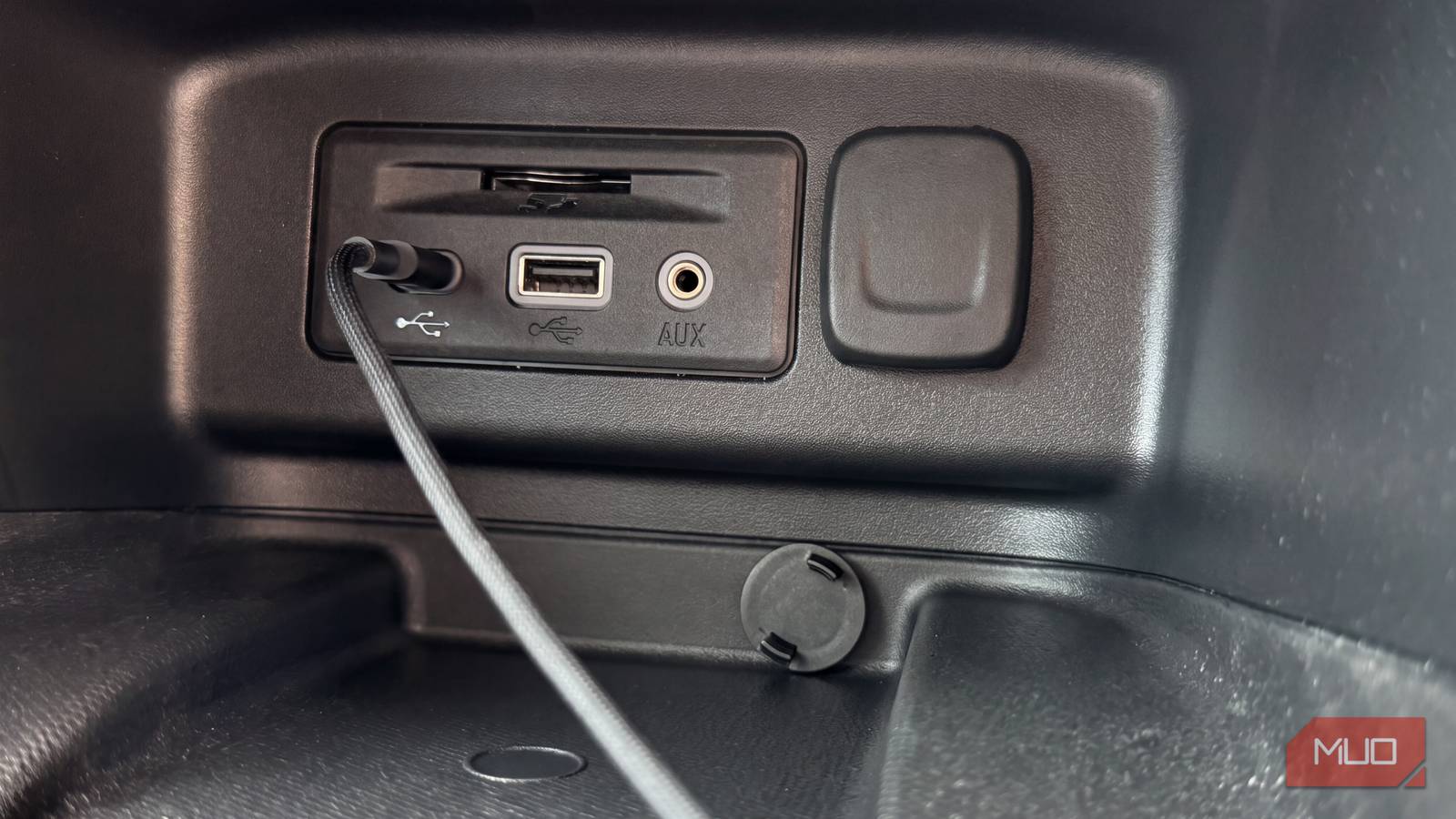
For years, the USB port in a car has been treated as a simple convenience: a place to plug in a phone, keep it charged, or connect to the vehicle's infotainment system. Many drivers use it for wired smartphone mirroring, then forget about it. But the port is also a low-voltage power outlet, and that makes it a gateway to a category of compact, affordable accessories that can make daily driving safer, cleaner, more comfortable, and more enjoyable.
The idea is not new, but the range of available devices has expanded dramatically. A port that once struggled to charge a basic flip phone can now run a small dash camera, a cup-holder air purifier, a handheld vacuum, or a set of decorative LED strips. The key is understanding what the port can realistically supply, and matching that output to the gadget's power demands.
Modern vehicles often include multiple USB outlets. Some are designed primarily for charging, while others support data or higher-power delivery. The difference matters. A low-output port may charge a phone slowly, but it may not be enough to keep a dashcam running reliably on a hot day. A higher-output USB-C port is more flexible, but even then, the vehicle's wiring and the port's rating set the ceiling.
Power gadgets such as dashcams, air purifiers, and tire monitors
Start with the obvious safety and comfort add-ons
A dashcam is one of the most practical accessories a driver can add. Prices vary, but a basic model can cost around $60, and the setup is usually straightforward: mount the camera on the windshield or rear glass, route a cable, and connect it to a USB power source. The payoff is a record of what happened in the event of a collision, a near miss, or a disputed insurance claim. Some drivers even repurpose an old smartphone as a dashcam, using a mounting bracket and a charging cable instead of buying dedicated hardware.
The dashcam category also shows why power matters. A camera that records continuously, writes to a memory card, and survives summer heat needs a stable supply. Cheap cables and weak ports can cause random shutdowns, corrupted files, or missed recordings. Before relying on any USB-powered camera, test it over several drives and check that it starts and stops cleanly with the vehicle.
Air quality is another overlooked issue. In heavy traffic, a closed cabin can accumulate dust, exhaust particles, and odors. A USB-powered air purifier can sit in a cupholder and circulate air through a small filter. Some models also double as scent diffusers, which is a pleasant bonus. These devices are not a substitute for replacing a cabin air filter, but they can help maintain a fresher interior between service visits.
A USB humidifier addresses a different comfort problem. Air conditioning tends to remove moisture from the cabin, and on long drives that can leave throats dry and eyes irritated. A small humidifier can add moisture back into the air. The trade-off is maintenance: water tanks need regular cleaning to prevent buildup, and the device should be emptied when not in use.
Tire-pressure monitoring is a safety feature that many older cars lack. An aftermarket tire-pressure monitoring system can fill that gap. These kits usually include valve-cap sensors or internal sensors, plus a small display that plugs into a USB port or mounts on the dashboard. A basic setup can cost around $50. The benefit is simple: proper tire pressure improves safety, handling, and fuel economy, and a visible readout makes it easier to catch a slow leak before it becomes a roadside problem.
Connect a portable vacuum cleaner
Tackle car messes without losing your mind
A handheld car vacuum is another gadget that can run from a USB port. These are not meant to replace a full-size garage vacuum. They are compact, light, and designed for quick cleanups: crumbs in the seat, dust on the dashboard, pet hair on the floor mats, or sand tracked in after a beach trip. Many models cost between $20 and $30, which makes them easy to justify for families, commuters, and anyone who eats in the car.
The convenience comes with limits. Small USB vacuums have less suction than corded or high-capacity battery vacuums, and their filters need frequent emptying. Some come with narrow nozzles and brush attachments for tight spaces such as the glove compartment, footwells, and seat gaps. The best approach is to use one for maintenance rather than deep cleaning, and to keep the filter clean so airflow does not drop.
Power draw is especially important here. A vacuum motor can demand more current than a basic phone charger supplies. If the port is weak or the cable is thin, the vacuum may run slowly, cut out, or fail to start. A higher-output USB-C port or a dedicated 12-volt adapter may be a better match for motor-driven accessories.
Enjoy offline music with a flash drive
The old-school way still works
Before Bluetooth and smartphone mirroring became common, a flash drive was the easiest way to carry a personal music library into a car. The method is still useful today. Any old USB drive can work, provided the car's stereo supports USB playback. The drive can be formatted, loaded with favorite albums or playlists, and left in the vehicle for long trips.
The advantages are practical. A flash drive does not depend on a cellular signal, does not drain a phone battery, and does not require pairing. It can be especially helpful in rural areas, tunnels, or older vehicles with limited connectivity. Compatibility is the main caveat: some stereos prefer FAT32 formatting, some have limits on folder depth, and some do not read certain file types. Checking the vehicle manual or testing a small drive first can save frustration.
Capacity is rarely a problem. Music files are small compared with video, so even a modest drive can hold thousands of songs. The bigger consideration is organization. A clean folder structure and consistent file naming make it easier to browse albums and playlists without staring at the screen while driving.
Upgrade the cabin with ambient lighting
Your cabin could use a glow-up
USB-powered ambient lighting strips are one of the easiest cosmetic upgrades for a car interior. The strips plug into a USB port and can be run along footwells, the dashboard, door panels, or under the seats. At night, they change the atmosphere of the cabin and can make a plain interior feel more modern.
Most kits include controls through a small remote or a smartphone app. Users can switch colors, adjust brightness, and sometimes sync the lights to music. Prices are often in the $15 to $20 range, making this a low-risk experiment. Installation is usually simple, but it still requires care: adhesive backing can fail in heat, wires need to be routed away from pedals and moving parts, and cheap strips may flicker or fade over time.
For drivers who want a more dramatic look, some kits can add underglow lighting around the exterior. Local regulations vary, so it is worth checking rules about colored exterior lights before installing anything that might be visible from outside the vehicle.
What to check before plugging in a new gadget
The first thing to check is voltage and current. Most car USB ports provide 5 volts, but the available current varies. A basic USB-A port may supply 1 amp, while a charging port may supply 2.1 amps or more. Newer USB-C ports can support higher wattage through power-delivery standards. The gadget's manual should list its power requirements, and the port's rating should meet or exceed them.
Cable quality matters as much as port output. Thin or damaged cables can overheat, reduce charging speed, or cause intermittent connections. For devices that run continuously, such as dashcams, a secure connection and a cable rated for the current draw are essential. It is also wise to avoid daisy-chaining multiple splitters or adapters, which can add resistance and heat.
Battery drain is another consideration. Some car USB ports remain powered when the engine is off. Plugging in a device and leaving it for days can drain the vehicle's battery. If the port stays live, unplug accessories when the car is parked, or use a switched outlet that turns off with the ignition.
Finally, match the gadget to the port. A low-power air purifier or LED strip is a natural fit for a standard USB outlet. A vacuum or dashcam may need a stronger supply. If a device behaves erratically, the problem may not be the device itself but the power source feeding it.
How to choose the right USB accessory
Start with a clear purpose. Safety accessories, such as dashcams and tire-pressure monitors, deserve priority because they address real risks. Cleaning and comfort gadgets, such as vacuums and humidifiers, are useful but optional. Cosmetic upgrades, such as ambient lighting, should come last if the budget is tight.
Read the specifications carefully. Look for current draw, cable length, warranty terms, and compatibility notes. A slightly higher price can be worth it for a device with better build quality, especially in a car where heat, vibration, and constant use are normal. Reviews can reveal whether a product actually works with the port type in a given vehicle, but they should be read critically.
Installation should never interfere with driving. Cables should be routed away from the steering wheel, pedals, and airbags. Mounts should be secure enough to stay in place during sudden stops. Any device that blocks visibility or distracts the driver is a poor choice, no matter how useful it seems.
Ultimately, the car's USB port is a small but flexible power source. It will not replace a 12-volt outlet for high-demand equipment, and it will not turn a basic vehicle into a luxury cabin. But with the right low-draw gadget, it can add safety, cleanliness, entertainment, and style for a modest cost. The most important step is matching the accessory to the port's real output, then testing it carefully before depending on it on the road.
Source: MakeUseOf News