

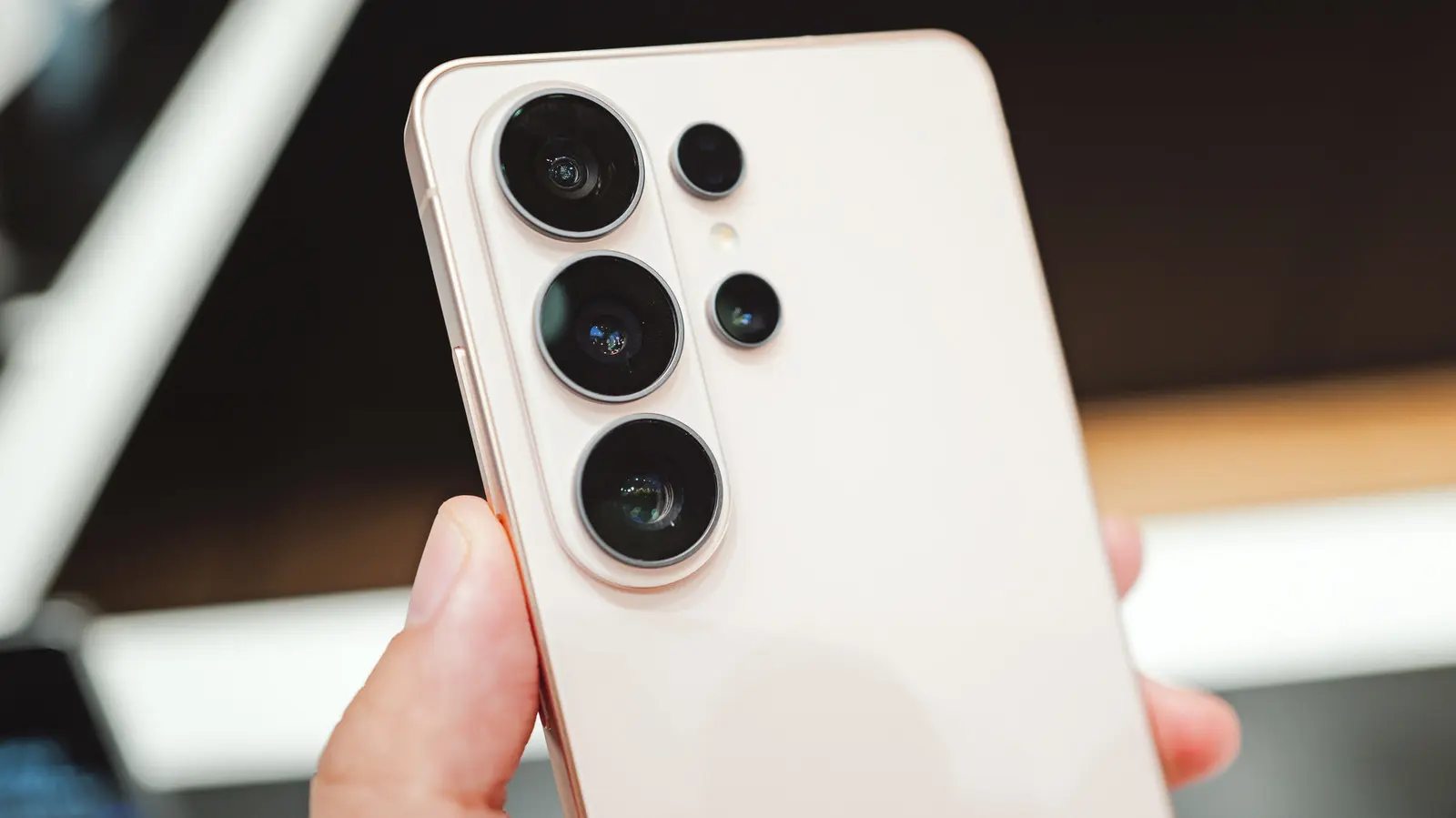
The Samsung Galaxy S26 Ultra is undoubtedly one of the most impressive smartphones available in 2026. With its powerful Snapdragon 8 Elite Gen 5 processor, up to 16GB of RAM, a versatile 200-megapixel camera system, and the integrated S Pen, it sets a high bar for Android flagships. However, its starting price of $1,300 is a significant investment, and not everyone needs the absolute top-tier experience. Fortunately, the Android market is rich with alternatives that offer excellent performance, great cameras, and unique features at more accessible price points. Below, we explore five such devices that deserve consideration before you commit to the Galaxy S26 Ultra.
Samsung Galaxy S26+
For those drawn to Samsung's ecosystem but seeking to save $200, the Galaxy S26+ is a natural choice. It shares the same processor, RAM configuration, and software support as the Ultra, ensuring snappy performance and longevity. The 6.7-inch LTPO AMOLED display is only marginally smaller and offers identical resolution and peak brightness, making it nearly indistinguishable in daily use. The trade-offs come in the camera department: the main sensor drops to 50 megapixels, and the ultrawide lens has a slightly narrower aperture. However, for most users these differences are minor, and the S26+ still captures excellent photos. The 4,900 mAh battery with 45W wired charging is competitive, and the inclusion of Galaxy AI features and seven years of software updates makes this a solid long-term investment. If you value Samsung's One UI customization and don't need the S Pen, the S26+ provides almost all the essentials without the premium price tag.
RedMagic 11S Pro
Gamers looking for raw performance should consider the RedMagic 11S Pro. Priced at $850, it undercuts the Galaxy S26 Ultra significantly while offering a unique gaming-focused design. The transparent back panel reveals an active cooling fan, and the phone includes capacitive shoulder triggers for console-like controls. The 6.8-inch AMOLED display runs at 144Hz, with an under-display selfie camera that eliminates notches or punch-holes. Performance-wise, it matches the Ultra's Snapdragon chip and can be configured with up to 16GB of RAM. Where it falls short is camera quality: the triple camera setup is adequate in good light but struggles in low-light conditions. On the upside, the massive 7,500 mAh battery lasts well over a day even with heavy gaming, and the included 80W charger tops it up quickly. For enthusiasts who prioritize gaming and battery life over photography, the RedMagic 11S Pro is a compelling alternative.
Google Pixel 10 Pro
Camera enthusiasts who don't need the fastest chip should look at the Google Pixel 10 Pro. Priced at $1,000, it offers one of the best camera systems on any smartphone, with a 50-megapixel main sensor and dual 48-megapixel telephoto and ultrawide lenses enabling 5x optical zoom. Google's computational photography algorithms produce stunning images that often surpass those from the Galaxy S26 Ultra. The software experience is another highlight: day-one updates, exclusive Pixel features, and deep Gemini AI integration make the phone feel fresh for years. The Pixel 10 Pro also debuts the Pixelsnap magnetic system, similar to Apple's MagSafe, allowing easy attachment of accessories. However, the Tensor G5 chip is not as powerful as the Snapdragon, and battery life is average. Additionally, the base storage remains at 128GB, which may be limiting for heavy camera users. For those willing to sacrifice peak performance for superior photo capabilities and software polish, the Pixel 10 Pro is an excellent choice.
OnePlus 15
Despite rumors of OnePlus scaling back global operations, the OnePlus 15 remains a top contender in the sub-$1,000 segment. At $900, it offers a Snapdragon 8 Elite Gen 5 chip, up to 16GB of RAM, and up to 512GB of UFS 4.1 storage. The 6.78-inch AMOLED display boasts a 165Hz refresh rate in supported games, and a dedicated touch response chip with 3,200Hz sampling rate makes it ideal for competitive gaming. OnePlus's software includes extensive game mode tools, on-screen statistics, and chat bubbles. The triple 50-megapixel camera system captures good photos, though it lacks the versatility of the Galaxy S26 Ultra's periscope zoom. Battery life is a strong suit, with a 7,300 mAh cell and support for up to 120W SuperVOOC charging (in supported regions). The OnePlus 15 delivers flagship speed and endurance at a price that undercuts the Ultra by $400, making it a smart value pick for power users.
Motorola Moto G Stylus
For those who value the S Pen functionality but cannot justify the Ultra's cost, the Motorola Moto G Stylus offers a budget-friendly alternative at $500. It comes with a built-in active stylus that sits inside the phone and charges automatically, though it lacks Bluetooth for remote shutter use. The 6.7-inch 120Hz AMOLED display is bright and smooth, and the stylus works well for note-taking, drawing, and annotations. Naturally, the trade-offs are significant: the Snapdragon 6 Gen 3 processor is far less powerful, RAM is 8GB, and storage starts at 128GB. Motorola's software support is limited to two major Android updates, and the camera system is basic. However, the 5,200 mAh battery with 68W charging provides excellent endurance. The Moto G Stylus is ideal for users who prioritize stylus input and battery life over raw performance and camera quality, and its price makes it accessible to a wider audience.
Source: SlashGear News