

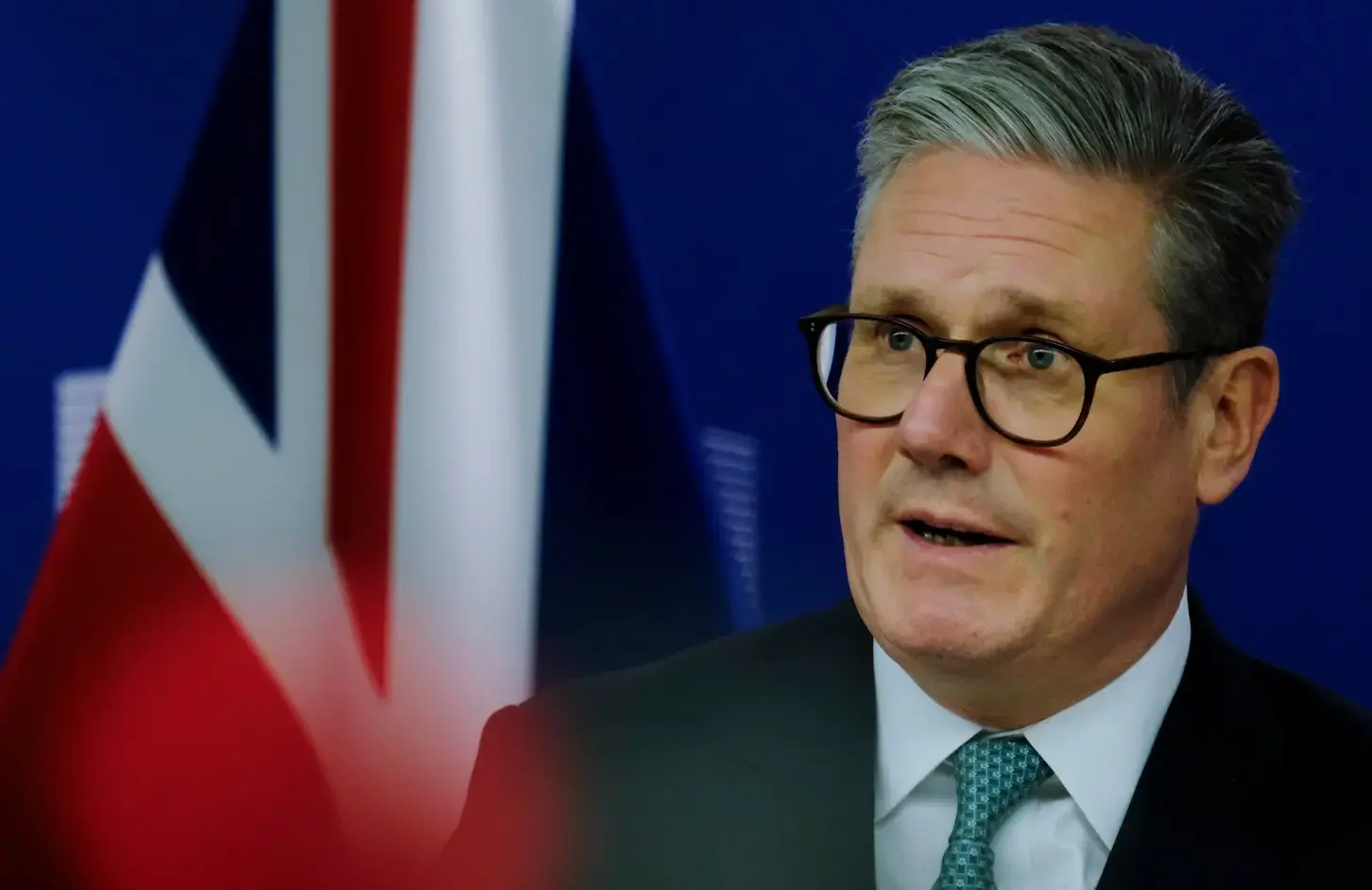
When Keir Starmer took the helm of the Labour Party in April 2020, the UK tech sector was reeling from the dual shocks of Brexit and the pandemic. As a former Director of Public Prosecutions known for his measured, legalistic approach, Starmer brought a promise of stability—but also raised questions about whether his leadership style could propel the country’s digital economy forward. Nearly five years later, as the political landscape shifts, the tech community is beginning to take stock: How will UK tech remember Keir Starmer?
Background: A Leader from the Legal Sphere
Before entering politics, Keir Starmer built a career as a human rights lawyer and later as the head of the Crown Prosecution Service. This background deeply influenced his policy preferences. Unlike many of his predecessors, Starmer was not a natural technophile; his speeches rarely sparkled with startup jargon or Silicon Valley buzzwords. Instead, he approached technology with a regulatory mindset, seeing it as a domain that required careful governance rather than unfettered growth.
This perspective resonated with a public increasingly wary of Big Tech’s power. Yet it also created tension with entrepreneurs who viewed Labour’s traditional inclination towards higher taxes and more regulation as a drag on innovation. Starmer sought to bridge this gap by emphasizing a 'pro-business, pro-worker' agenda, but his ability to convince the tech sector remained a constant challenge.
Key Policies and Their Impact on UK Tech
AI Regulation and the Frontier AI Taskforce
One of Starmer’s most notable tech-related initiatives was his support for the government’s Frontier AI Taskforce, established in 2023 to address the risks of advanced artificial intelligence. While the taskforce was created under Rishi Sunak’s administration, Labour under Starmer endorsed it and later pledged to build upon it with a more comprehensive regulatory framework. Starmer argued that the UK should be a ‘global leader in safe AI’, positioning regulation not as a barrier but as a competitive advantage. Industry observers noted that this stance helped attract AI investment, as firms sought jurisdictions with clear rules.
However, critics contend that Starmer’s approach was too cautious. Startups complained that the proposed AI Safety Institute and mandatory testing requirements could stifle experimentation. The tension between safety and speed became a defining feature of Starmer’s tech policy, with many in the sector feeling that the Labour leader prioritized caution over competitiveness.
Digital Infrastructure and the ‘Levelling Up’ Agenda
Starmer frequently linked tech policy to Labour’s broader ‘levelling up’ mission. He promised to invest in gigabit broadband for underserved regions, digital skills training, and public sector digitalisation. These pledges were welcomed by startups outside London, which often struggle with connectivity and talent shortages. In government, Labour committed £5 billion to full-fibre broadband and £1 billion for digital skills bootcamps. Such initiatives aimed to decentralise the tech economy—a goal many in the sector had long advocated.
But implementation proved patchy. Delays in infrastructure projects and a complicated rollout of digital ID systems frustrated business advocates. Moreover, Starmer’s signature industrial strategy—centered on clean energy, life sciences, and digital—sometimes felt disconnected from the day-to-day realities of early-stage tech companies navigating Brexit customs and hiring hurdles.
Startup Funding and the ‘British Silicon Valley’ Vision
Perhaps the most ambitious element of Starmer’s tech vision was his plan to create a ‘British Silicon Valley’ spanning Oxford, Cambridge, and London—the so-called ‘Ox-Cam Arc’. He argued that by improving transport links, housing supply, and R&D tax credits, the UK could rival the US tech hub. Labour pledged to increase R&D spending to 3% of GDP and to simplify the visa system for tech talent.
Startup founders largely supported these ideas, but they also voiced concerns about execution. The proposed increase in corporation tax (from 19% to 25%) dampened enthusiasm, as did plans to reform the Enterprise Investment Scheme (EIS) in ways that some feared would reduce incentives for angel investors. Meanwhile, the British Business Bank under Labour expanded its venture capital co-investment programs, but the overall funding environment remained challenging due to global economic headwinds.
Industry Reactions: Mixed Sentiments
Surveys of UK tech leaders during Starmer’s tenure revealed a polarised view. In a 2024 Tech Nation report, 45% of founders said Labour had a ‘moderately positive’ impact on the ecosystem, while 30% described it as ‘negative’—largely due to tax and regulatory burdens. Prominent figures like Brent Hoberman (founder of Lastminute.com and Founders Factory) publicly praised Starmer’s focus on AI ethics but warned against over-regulation. Others, such as Anne Boden (founder of Starling Bank), appreciated the push for digital banking inclusion but lamented slow progress on open banking standards.
Perhaps the most scathing criticism came from venture capitalists. Many argued that Starmer’s government lacked a coherent narrative for why tech mattered. ‘He talks about tech as a tool for social policy, not as an engine of growth in its own right,’ one partner at a London VC told TechCrunch (paraphrased). This perception contributed to a slight shift in startup incorporation away from the UK, with some founders choosing to base their companies in Delaware or Singapore.
Historical Context: Compared to Previous Leaders
To understand Starmer’s legacy, it helps to compare him with his predecessors. Tony Blair’s New Labour actively courted the tech sector in the late 1990s and early 2000s, promoting tax incentives and privatisation of telecoms—a move that helped spark the dot-com boom. Gordon Brown continued with investments in science and innovation. In contrast, Starmer inherited a post-Brexit, post-pandemic landscape where trust in government had eroded. He lacked the cachet of a ‘tech-savvy’ leader like David Cameron (who had a background in PR and digital advertising) or Boris Johnson (who rode a wave of entrepreneurial optimism).
Starmer’s most comparable counterpart may be Ed Miliband, who also offered a cautious, regulatory-first approach to technology. But Miliband’s tenure was shorter and less consequential. Starmer’s critics argue that he missed an opportunity to rebrand Labour as the party of innovation, instead allowing the Conservatives (and specifically Rishi Sunak, a former hedge fund manager) to claim the mantle of tech-friendly governance—even though Sunak’s policies were often similar in substance.
Data Points: Measuring the Impact
Under Starmer’s leadership, the UK tech sector continued to grow, but at a slower pace than during the late 2010s. According to Dealroom data, venture capital investment in UK tech peaked at £29.4 billion in 2021, then fell to £18.2 billion in 2023 and recovered only modestly to £21.5 billion in 2024—still well below the US, but ahead of Germany and France. The number of unicorns (billion-dollar startups) rose from 80 in 2020 to 120 in 2025, a respectable gain but dampened by higher interest rates and inflation.
Digital adoption in the public sector also improved: the NHS App was rebranded and expanded, Gov.uk set standards for user-centric design, and new data-sharing frameworks were piloted. Yet the UK’s overall ranking in digital competitiveness (IMD World Digital Competitiveness Ranking) slipped from 8th in 2020 to 12th in 2025, suggesting that other nations were moving faster.
Points of Contention: AI, Employment, and the Gig Economy
One of the most divisive aspects of Starmer’s tech policy was his approach to the gig economy and platform workers. Labour promised to reclassify many gig workers as employees, granting them minimum wage, sick pay, and holiday entitlement. While applauded by unions, this move was fiercely resisted by companies like Deliveroo, Uber, and Just Eat. Fears grew that such regulation would reduce flexibility and increase costs, potentially forcing platforms to reduce their UK presence. In the end, the government implemented a ‘third status’ for some workers, which satisfied neither side fully.
Similarly, Starmer’s stance on AI’s impact on jobs was seen as alarmist by some and realistic by others. He established a Commission on the Future of Work, which recommended a ‘robot tax’ to fund retraining. Though never adopted, the proposal generated headlines and skepticism from tech investors who argued it would penalise innovation.
Key Facts Worth Remembering
- Regulatory Framework: Starmer established the UK’s first AI Safety Institute and mandated testing for high-risk AI systems, setting a global precedent.
- Digital Infrastructure: Under his leadership, the UK expanded 5G coverage to 90% of the population and committed to full-fibre broadband by 2030.
- Startup Support: The British Business Bank deployed £2.5 billion in co-investment funds, but the EIS reform was delayed amid industry pushback.
- Talent and Visas: The Global Talent Visa was streamlined, but the number of tech workers from outside the UK fell by 12% due to new salary thresholds.
- Public Digital Services: The Gov.uk login system reached 10 million users, and the NHS App achieved 30 million registrations.
What the Future Holds
As Starmer’s leadership enters its final phase—with a general election looming—the tech sector is cautiously hopeful but not euphoric. Many hope his successor will adopt a more aggressive pro-innovation stance, perhaps by lowering capital gains tax on startup exits or reducing red tape for fast-growing companies. Others argue that Starmer’s focus on ethical and inclusive tech will pay dividends in the long run, building a more sustainable ecosystem less prone to the excesses seen in the US.
One thing is clear: Keir Starmer will not be remembered as a transformative figure for UK tech in the way that Margaret Thatcher (privatisation and liberalisation) or Tony Blair (telecoms boom and creative industries) were. Instead, his legacy will be one of steady stewardship during a turbulent era—a leader who ensured that the UK did not fall behind but also did not sprint ahead. Whether that is seen as prudent or disappointing will depend on how the next decade unfolds.
Source: UKTN News