
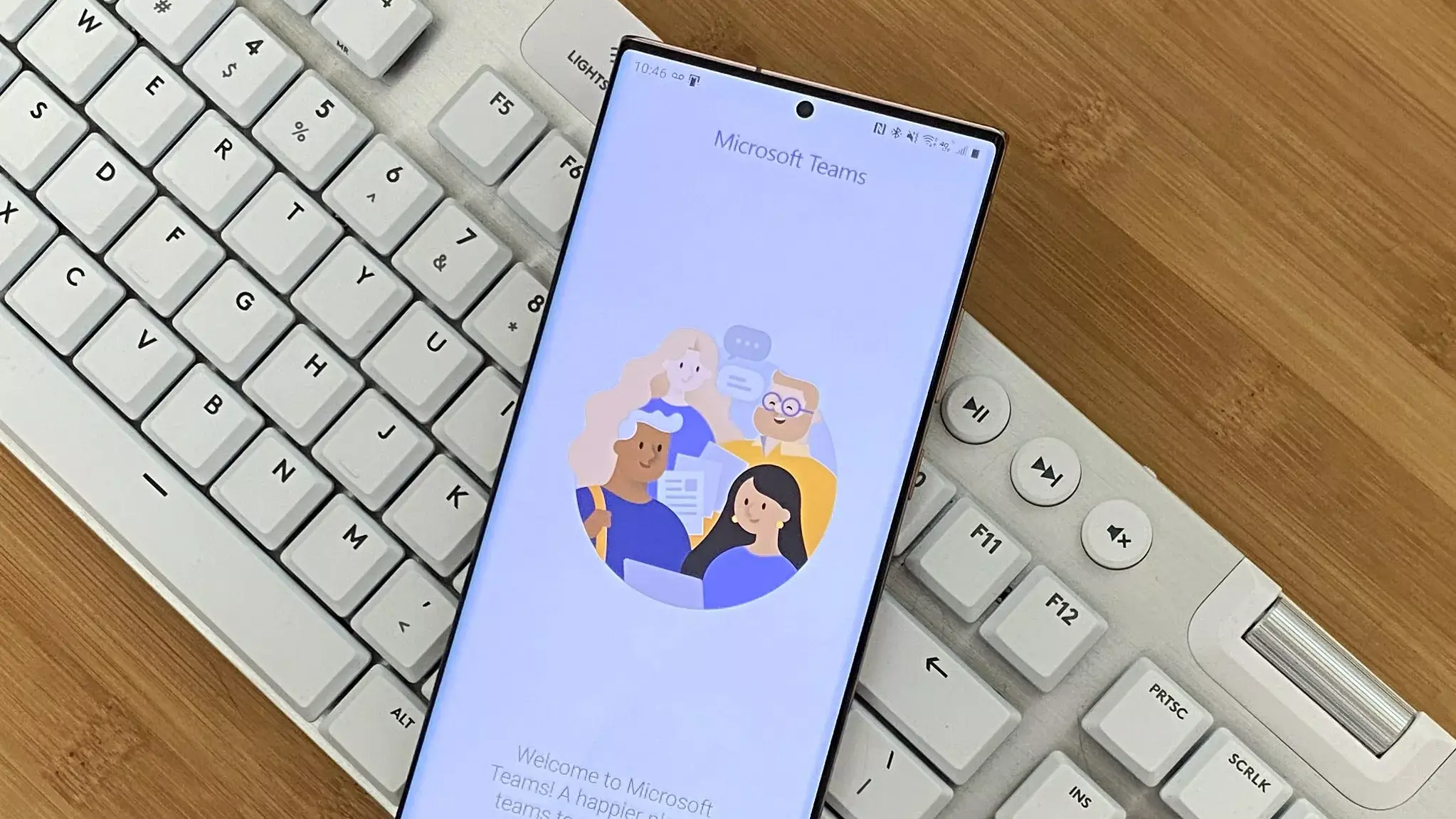
Microsoft has quietly removed a controversial workplace check-in feature from its June 2025 update of Microsoft Teams, a decision that has been met with widespread approval from privacy advocates and employees alike. The feature, initially teased in early 2025 under the working name "Presence Insights," would have allowed managers to see detailed logs of when employees were active or idle, including timestamps for when they stepped away from their desks. The tool was intended to help managers coordinate hybrid work schedules but quickly drew criticism for its potential to enable micromanagement and invade employee privacy.
Background of the Feature
The check-in feature was part of Microsoft's broader push to enhance the employee experience within Teams, which has become the central hub for communication and collaboration in thousands of organizations worldwide. Microsoft had been testing the feature with select enterprise customers since late 2024. It provided analytics such as average response times, time spent in meetings, and periods of inactivity. The company marketed it as a way to improve productivity and help managers better understand their teams' workflows.
However, as news of the feature spread through tech publications and social media, a wave of concern erupted. Many employees saw the tool as a step toward excessive surveillance, fearing it could be used to penalize workers who took short breaks or worked unconventional hours. Privacy experts also warned that the feature could undermine trust between employers and employees, especially in remote and hybrid settings where monitoring tools are already under scrutiny.
Privacy Concerns and Backlash
The backlash was swift. Employee advocacy groups, such as the Tech Workers Coalition, published open letters calling on Microsoft to abandon the feature. A Change.org petition garnered over 50,000 signatures within weeks, arguing that constant monitoring would create a culture of anxiety and erode workplace morale. Several European privacy regulators also expressed interest in investigating whether the feature complied with the General Data Protection Regulation (GDPR), which requires explicit consent for data collection and processing.
Microsoft initially defended the feature, stating that it would be opt-in for both managers and employees and that all data would be anonymized and aggregated. But the company failed to soothe critics, who noted that anonymization alone does not prevent the tracking of individual behavior patterns. A Microsoft spokesperson later acknowledged in a blog post that the company had received "significant feedback about the balance between productivity and privacy."
The decision to omit the feature from the June 2025 update was confirmed by multiple sources within Microsoft, although the company did not issue a formal press release. Instead, the feature was listed in the release notes as "shelved for further review." This move is reminiscent of similar retreats by other tech giants. For example, earlier this year, Zoom quietly dropped a similar attention-tracking feature after a public outcry, and Slack has faced ongoing debates about its "activity" indicators.
Industry Reaction
The removal has been praised by digital rights organizations. The Electronic Frontier Foundation (EFF) issued a statement applauding Microsoft for listening to its user base. "By shelving this feature, Microsoft has shown that public pressure can lead to better, more ethical product design," the EFF said. Meanwhile, analysts at Gartner noted that Microsoft's decision could set a precedent for the entire enterprise software industry. "We are seeing a shift away from surveillance-style tools toward consent-based, transparent analytics," said Gartner analyst Lisa Brown. "Companies that prioritize privacy will win the trust of their users, and that trust is a competitive advantage."
However, some business leaders expressed disappointment. A survey of IT managers conducted by Spiceworks in April 2025 found that 34% of respondents were looking forward to the check-in feature as a way to manage remote teams more effectively. These managers argued that in an era of flexible work, they need better data to ensure equitable workload distribution and identify employees who might be struggling. Microsoft's response to these concerns has been to point to other tools, such as Microsoft Viva Insights, which provides aggregated productivity metrics without identifying individual behavior.
Microsoft's Pivot
Microsoft's decision to omit the feature is part of a broader strategic pivot. In recent months, the company has emphasized its commitment to "responsible AI" and ethical data practices. CEO Satya Nadella has repeatedly stated that Microsoft aims to build technology that empowers people rather than monitors them. This philosophy appears to have influenced the Teams roadmap. Instead of the check-in feature, the June update includes new capabilities like unified search across chats and files, improved noise cancellation for meetings, and a redesigned notification system that prioritizes important messages.
Additionally, Microsoft is investing in tools that give employees more control over their own data. A new "Wellbeing Dashboard" allows users to view their own activity patterns without sharing that information with managers. This feature, which is expected to roll out in the third quarter of 2025, aligns with the company's goal of fostering a culture of transparency and trust. Employees can use the dashboard to set boundaries, such as muting notifications outside of working hours, and view anonymized benchmarks against team averages.
The removal of the check-in feature also follows legal developments. In April 2025, a class-action lawsuit was filed against a major retailer that used similar monitoring software, arguing that it violated labor laws by effectively tracking employees' unpaid breaks. Although Microsoft was not a defendant, the case highlighted the legal risks associated with such tools. Legal experts suggest that Microsoft's retreat may have been motivated partly by liability concerns.
Furthermore, Microsoft is likely aware of the growing regulatory landscape. The European Union's Digital Services Act and the proposed AI Act both include provisions that restrict the use of behavioral tracking without informed consent. Canada's Privacy Commissioner has also launched an investigation into workplace monitoring practices in the tech sector. By removing the feature proactively, Microsoft avoids potential fines and reputational damage that could arise from regulatory scrutiny.
What This Means for the Future
The omission of the check-in feature does not mean that Microsoft is abandoning productivity analytics altogether. Instead, the company is shifting toward more nuanced and ethical approaches. For example, Microsoft is working on integrating tools that measure team effectiveness as a whole, rather than individual performance. Metrics such as collaboration health, meeting overload, and work-life balance can help organizations improve without resorting to surveillance. These metrics are derived from opt-in data and are always anonymized before being presented to managers.
This approach has been tested in early pilot programs at companies like Accenture and Unilever, where early feedback has been positive. Employees reported feeling less anxious about being monitored and more willing to engage with the feedback provided. Managers, on the other hand, gained insights into systemic issues, such as when meetings are scheduled too frequently or when remote workers feel isolated. The data helped teams adjust their workflows collaboratively rather than top-down.
The debate over workplace monitoring is unlikely to disappear. As artificial intelligence and machine learning continue to advance, the temptation to use these technologies for surveillance will persist. However, Microsoft's decision demonstrates that even large corporations can change course when faced with public outcry. It also highlights the importance of employee voice in shaping the tools we use every day. The future of work, it seems, will be defined not by how much we can track, but by how much we trust each other.
In the coming months, industry observers will be watching to see whether Microsoft's competitors follow suit. Google Workspace and Slack have yet to announce similar changes, but they are undoubtedly taking note. For now, Microsoft has drawn a line in the sand, and the message is clear: employee privacy matters more than granular control.
Source: Windows Central News