

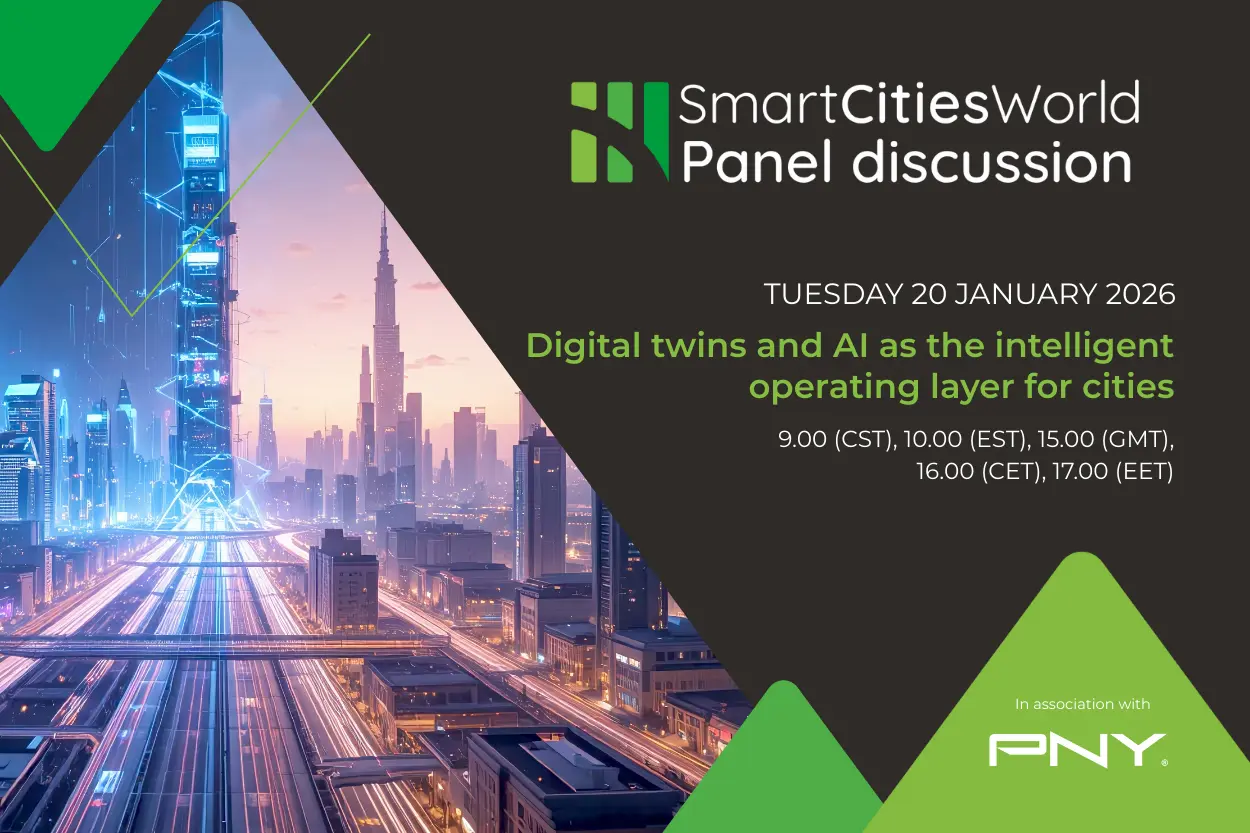
As cities worldwide grapple with the combined pressures of climate change, aging infrastructure, and rapid digital transformation, a new paradigm is emerging: the integration of artificial intelligence (AI) with digital twins to create an intelligent operating layer for urban environments. This approach promises to enhance efficiency, resilience, and sustainability, enabling city leaders to move from reactive management to proactive, data-driven decision-making.
Digital twins are virtual replicas of physical systems—such as buildings, transport networks, or entire cities—that continuously receive real-time data from sensors, IoT devices, and other sources. By combining this digital representation with AI algorithms, cities can simulate scenarios, predict outcomes, and optimize operations. The result is a dynamic, living model that evolves with the city, providing insights that were previously impossible to obtain.
The Role of AI in Urban Digital Twins
At its core, AI enhances digital twins by enabling pattern recognition, machine learning, and decision automation. For instance, in urban transport networks, AI-powered digital twins can analyze traffic flows, predict congestion, and suggest real-time adjustments to signal timings or route planning. This not only improves day-to-day operations but also supports long-term planning by modeling the impact of new infrastructure projects or policy changes.
Moreover, AI can process vast amounts of data from diverse sources—weather stations, social media feeds, energy grids—to provide a holistic view of urban dynamics. For example, during extreme weather events, a digital twin powered by AI can forecast flooding risks, optimize emergency response routes, and coordinate resource allocation. This capability is vital as cities face more frequent and severe climate-related disruptions.
Leading Examples of AI-Driven Urban Innovation
Several cities are already pioneering the use of AI and digital twins. Malaysia, for instance, is positioning itself as a hub for AI-powered urban innovation, hosting the first Southeast Asian Smart City Expo in Kuala Lumpur. The country is leveraging digital twins to improve infrastructure planning, energy efficiency, and public services, setting an example for the region.
Sunderland, UK, is reimagining its economic future through digital infrastructure and low-carbon innovation. The city has developed a comprehensive digital twin that integrates data from buildings, transport, and utilities, enabling stakeholders to test sustainability measures before implementation. This approach has attracted investment and positioned Sunderland as a leading smart city in the North of England.
Dublin is also making strides, using digital twin projects to enhance citizen experiences and services. Initiatives include traffic reduction models that simulate the impact of new cycling lanes or bus corridors, as well as economic growth simulations that help planners decide where to allocate resources. The city's digital twin also supports disaster response planning, improving resilience in the face of natural hazards.
Overcoming Challenges with AI and Digital Twins
Implementing AI-powered digital twins is not without challenges. Data integration remains a significant hurdle, as cities must combine information from disparate systems with varying formats and quality. Privacy and security concerns also require careful governance, particularly when dealing with sensitive citizen data. Additionally, many cities lack the technical expertise needed to build and maintain these complex systems.
However, advancements in edge computing, open data standards, and cloud-based AI platforms are helping to lower these barriers. For example, smart sensor networks can now collect data in real-time and process it locally, reducing latency and bandwidth costs. Meanwhile, partnerships with technology providers like ST Engineering are accelerating deployment. Gareth Tang, President of Urban Solutions at ST Engineering, emphasizes that urban AI applications are set to evolve rapidly, with projects already showing significant impact in traffic management, waste collection, and energy optimization.
Practical Applications Across Urban Systems
Beyond transport and planning, AI-enhanced digital twins are being applied to indoor safety, building management, and community resilience. Smart sensor networks can detect risks such as gas leaks or fire hazards early, improving situational awareness and enabling faster response. In buildings, digital twins help optimize heating, ventilation, and air conditioning (HVAC) systems, reducing energy consumption while maintaining comfort.
On a broader scale, cities are using digital twins to model climate adaptation strategies. For instance, Quezon City in the Philippines experienced unexpected extreme rainfall, prompting urban leaders to invest in resilience measures informed by digital twin simulations. The city now uses AI to predict flood-prone areas and coordinate preemptive evacuations, saving lives and reducing property damage.
Preparing for the Future: Data Readiness and AI Governance
To fully realize the potential of AI-powered digital twins, cities must first ensure they have a solid data foundation. This includes establishing data governance frameworks, investing in interoperability standards, and building capacity for data analytics. As highlighted in recent webinars, Sunderland has focused on preparing its data infrastructure before deploying AI, ensuring that systems are reliable and secure.
Trust and inclusivity are also critical as governments deploy AI for personalized services. Citizens must have confidence that their data is used ethically and that algorithms are free from bias. Initiatives such as public consultations and transparent reporting are essential to build this trust. Moreover, cities must design digital twins to serve all residents, not just those with access to technology.
The Growing Ecosystem of Smart City Expos and Forums
Events such as the SmartCitiesWorld Summit 2026, held during London Climate Action Week, provide platforms for urban leaders to share strategies and best practices. These gatherings emphasize translating vision into practical action, focusing on technology deployment, policy alignment, and community engagement. Similarly, the Southeast Asian Smart City Expo in Kuala Lumpur showcases emerging solutions from the region, fostering collaboration across borders.
Podcasts and expert interviews, such as those featuring Youssef Nadiri of PNY Technologies, delve into the concept of “sovereign AI” for cities—where local governments maintain control over AI models and data. This approach ensures that urban AI applications align with local values and regulatory requirements, a growing concern as technology becomes more pervasive.
Newsletters, like the SmartCitiesWorld Daily and Weekly editions, curate the latest developments, offering city managers timely insights into trends, case studies, and innovations. By staying informed, urban leaders can adapt their strategies and avoid reinventing the wheel.
The convergence of digital twins and AI represents a watershed moment for urban governance. By creating an intelligent operating layer, cities can not only optimize existing systems but also anticipate future challenges, from climate change to demographic shifts. As more municipalities embrace this technology, the potential for improved quality of life, economic growth, and environmental stewardship grows exponentially. The path forward requires investment, collaboration, and a commitment to ethical practices, but the rewards are transformative for communities around the world.
Source: Smart Cities World News