

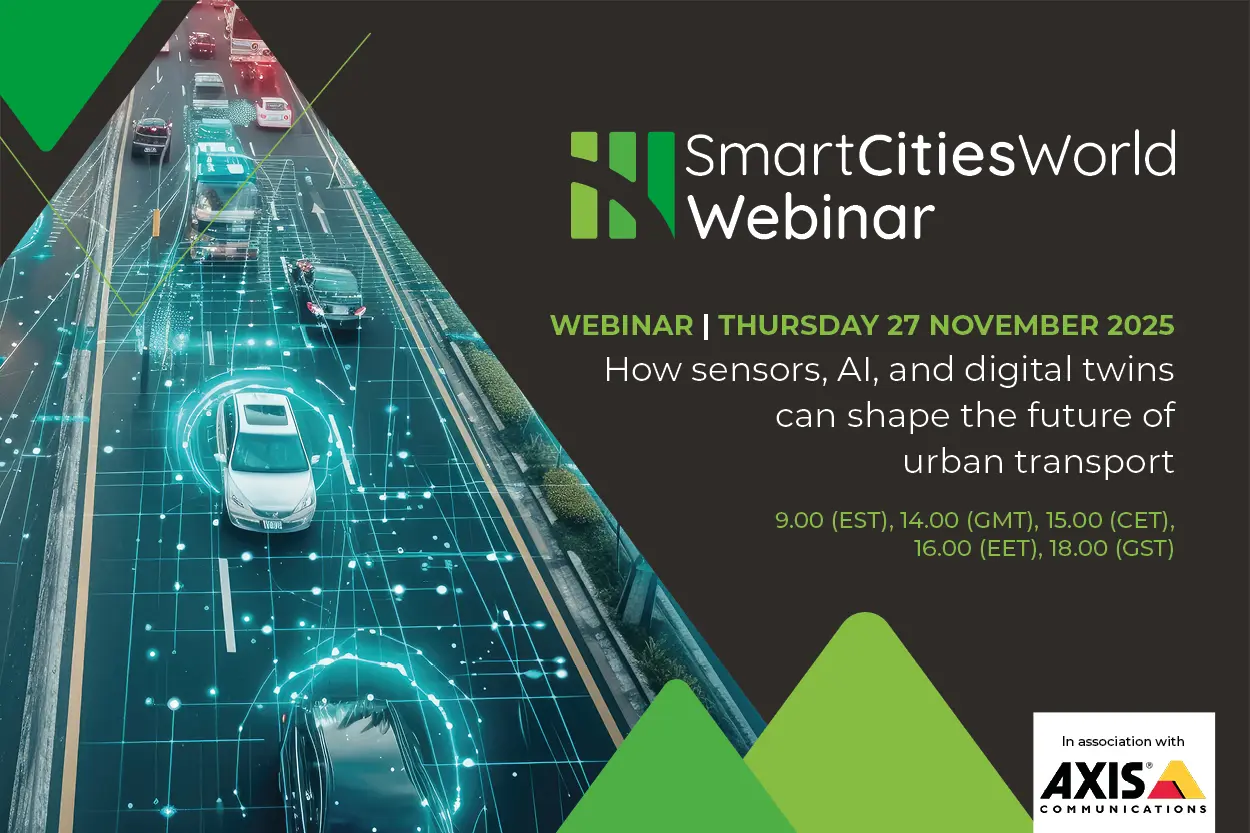
Smart Cities Update: AI, Digital Twins, and Urban Innovation in Transport and Infrastructure
Urban transportation is undergoing a profound transformation as cities globally harness the power of artificial intelligence (AI), digital twins, and advanced sensor networks. These technologies are not only improving operational efficiency but also enhancing resilience and sustainability in urban environments. This article synthesizes key facts from recent reports and webinars to provide a comprehensive overview of the current state and future trajectory of smart city innovations.
AI and Digital Twins: Revolutionizing Urban Transport
AI-powered digital twins are emerging as critical tools for urban planning and day-to-day operations. A digital twin is a virtual replica of a physical system—such as a transport network—that uses real-time data to simulate scenarios, predict outcomes, and optimize performance. In the context of urban transport, digital twins enable cities to test traffic management strategies, reduce congestion, and improve passenger experiences without disrupting actual services. By integrating data from sensors, GPS, and IoT devices, these digital models provide a holistic view of the city's mobility ecosystem, allowing planners to make informed decisions that enhance efficiency and sustainability.
For instance, cities are using digital twins to model the impact of new bike lanes, bus routes, or pedestrian zones before implementation. This reduces costs and minimizes public disruption. Moreover, AI algorithms analyze historical and real-time data to predict maintenance needs for infrastructure like bridges and tunnels, thereby improving safety and extending asset lifespan. The integration of AI with digital twins also supports the optimization of energy consumption in traffic lights and street lighting, contributing to broader climate goals.
Data Security and Interoperability: Key Challenges
As cities race to connect disparate systems and tighten cybersecurity, the role of international standards becomes paramount. Cristina Bueti, an expert from the International Telecommunication Union (ITU), emphasizes that cities must prioritize interoperability, inclusivity, and human oversight to avoid fragmented systems and vendor lock-in. Without a common framework, different sensors, platforms, and data formats can create silos that hinder the seamless exchange of information. This is particularly critical in transport, where real-time data from various sources—traffic cameras, parking sensors, public transit apps—must be integrated to provide accurate insights.
Bueti warns that the future of urban AI depends on establishing trust through transparent algorithms and guardrails that protect citizen privacy. Human oversight ensures that AI recommendations are validated and that ethical considerations are addressed, such as bias in traffic enforcement systems. Cities that adopt interoperable standards today will be better positioned to scale innovations and avoid costly migrations later.
City Profiles: Sunderland and Dublin Lead the Way
Two standout examples of smart city transformation are Sunderland, UK, and Dublin, Ireland. Sunderland is repositioning itself as a leading smart city by investing in digital infrastructure and low-carbon innovation. The city is building a resilient, future-focused economy through initiatives such as a smart energy grid, intelligent street lighting, and a digital twin of the city center. These efforts are expected to reduce carbon emissions, attract tech investment, and improve quality of life for residents.
Dublin, meanwhile, is innovating to improve community experiences through multiple smart projects. The city is developing digital twins for traffic management to reduce congestion and improve air quality. It has also launched initiatives to promote economic growth by creating innovation districts and testing autonomous vehicles. Dublin's approach emphasizes collaboration with universities and startups, ensuring that new technologies are co-designed with end-users.
Smart Lighting: The Foundation of Urban IoT
Smart lighting networks are emerging as a foundational infrastructure for smart cities. In the final episode of the series "Cities Thriving on Lighting," global cities discuss how they are approaching smart lighting and the related cybersecurity risks. LED streetlights equipped with sensors can collect data on air quality, noise levels, and traffic flows while simultaneously reducing energy consumption by up to 70%. However, these connected lights also introduce vulnerabilities—each node is a potential entry point for cyberattacks. Cities must implement robust encryption, regular firmware updates, and access controls to secure these networks.
The second episode of the same series delves into the technology behind turning existing streetlight networks into secure, interoperable, and future-proof infrastructure. Key considerations include using open standards to avoid vendor lock-in, designing for scalability, and integrating with other city systems such as traffic signals and emergency services. By doing so, smart lighting becomes more than just a cost-saving measure—it becomes a platform for a wide range of urban IoT applications.
UN Virtual Worlds Day and the Citiverse
Paul Wilson, a commentator on smart city trends, highlights the upcoming UN Virtual Worlds Day, which will explore how AI, spatial intelligence, and the Citiverse ecosystem can deliver trusted, people-centred outcomes. The Citiverse—a term for a city-scale virtual environment—offers new possibilities for citizen engagement, urban planning, and disaster simulation. Participants will discuss how to ensure these technologies remain inclusive and accountable, especially in the context of transport and public services.
Indoor Safety and Sensor Networks
Beyond outdoor urban environments, smart sensor networks are improving indoor safety in buildings. By detecting risks early—such as gas leaks, fires, or unauthorized access—these systems enhance situational awareness for facility managers. They also support healthier environments by monitoring air quality and occupancy levels, enabling ventilation adjustments. In the context of smart cities, integrating indoor sensors with broader city data platforms can help emergency responders during crises, potentially saving lives.
Trend Reports and Upcoming Events
Several upcoming OnDemand events offer deeper dives into these topics: a panel discussion on "AI for Resilient Infrastructure – Sustainable Operations for Future-Ready Cities" and a webinar titled "Unlocking Climate Finance: Building City Capacity and Partnerships." These sessions are designed for city leaders, planners, and technology providers seeking actionable insights.
Finally, SmartCitiesWorld offers daily and weekly newsletters that curate the latest news, city interviews, special reports, and guest opinions. Subscribers receive a digest of the most relevant developments in smart city technology, policy, and practice.
In conclusion, the convergence of sensors, AI, and digital twins is reshaping urban transport and infrastructure. Cities that prioritize interoperability, security, and human-centered design will be better equipped to navigate the complexities of urbanization while achieving sustainability targets. The examples of Sunderland and Dublin, along with the emerging frameworks from ITU and UN Virtual Worlds Day, provide a roadmap for future-proof urban innovation.
Source: Smart Cities World News