

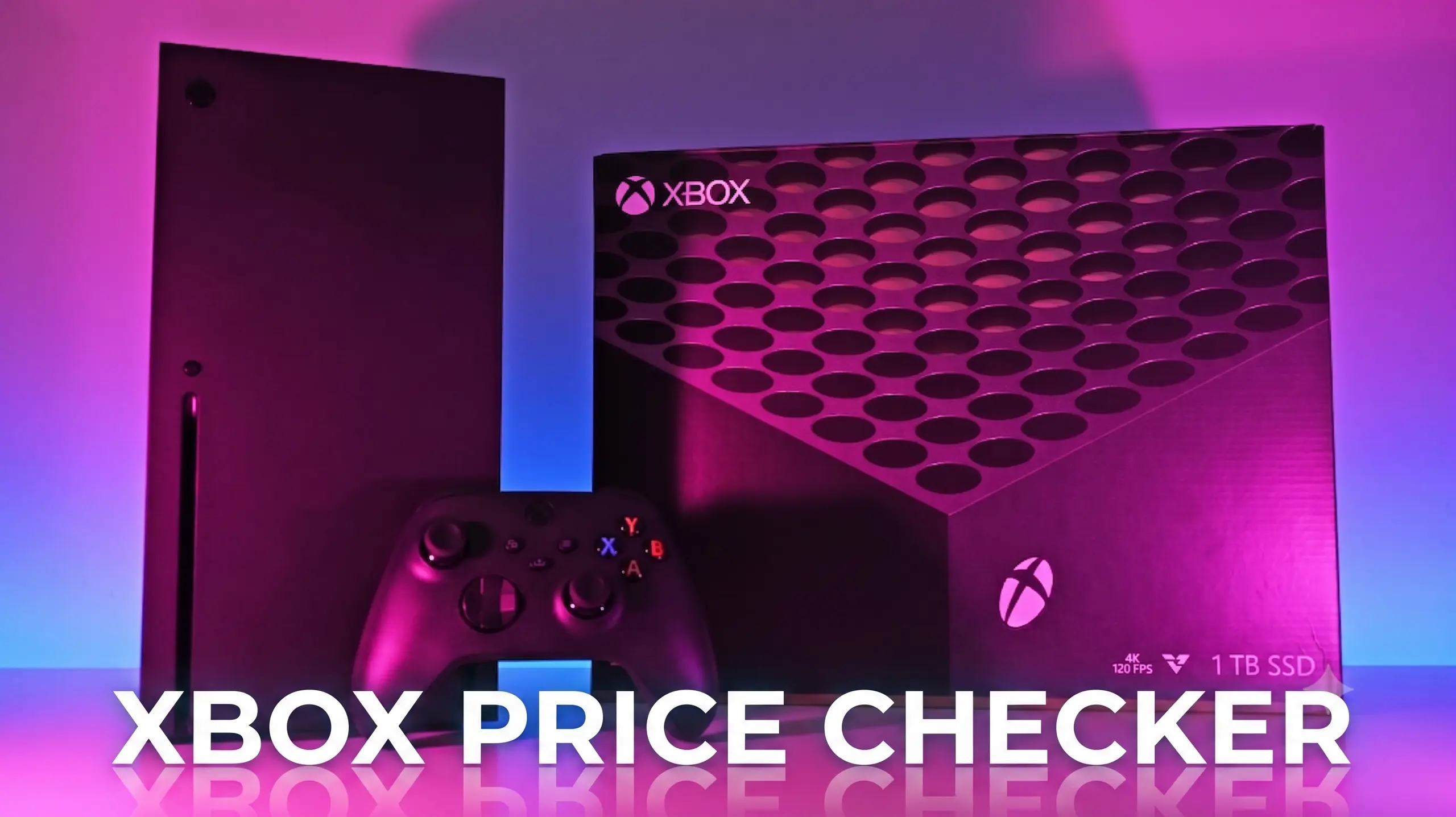
Microsoft has officially confirmed that the Xbox Series X and Xbox Series S will see price increases starting August 1. The long-rumored hike is now reality, with the standard Xbox Series X (digital edition) jumping by $100 to $150 depending on region, while the Xbox Series S will rise by approximately $50 to $80. This move comes as the console market faces sustained pressure from inflation, rising component costs, and global supply chain disruptions.
How Much Will Prices Increase?
The price adjustments vary by region. In the United States, the Xbox Series X digital edition will go from $449.99 to $549.99 — a $100 increase. The Xbox Series S, which previously cost $299.99, will rise to $349.99. In the UK, the Series X digital will jump from £449.99 to £529.99, while the Series S moves from £249.99 to £299.99. Similar percentage increases are expected in Europe, Australia, and parts of Asia.
Microsoft has not altered the price of the disc-based Xbox Series X, which remains at $499.99 for now, though industry watchers expect that model to follow suit later this year. The company cited “market conditions” and “production costs” as the primary drivers for the increases.
Why Are Prices Rising Now?
The console industry has been hit hard by a perfect storm of economic factors. Semiconductor shortages that began in 2020 have only partially resolved, and the cost of memory, storage, and cooling components remains elevated. Additionally, rising shipping costs and tariffs on electronics imported from Asia have squeezed margins for all hardware manufacturers.
Microsoft’s decision also reflects the broader trend across the tech sector. Sony raised the price of the PS5 in most markets in 2022, and Nintendo increased Switch pricing in Japan and Europe earlier this year. The Xbox Series X and S were among the last major consoles to avoid a price hike since their 2020 launch.
The $100–$150 Figure and the 2027 Forecast
The new pricing structure places the Xbox Series X digital at a $100 premium compared to its original launch price. However, some retail partners have indicated that the increase could be as high as $150 in regions where additional import duties apply. More concerning for gamers: a report from industry analysts at IDC suggests that if current inflation trends continue and if trade tensions escalate, console prices could rise another $100–$150 by 2027. The projection is based on expected component cost increases and potential tariffs on key manufacturing hubs like Vietnam and Mexico.
Microsoft has not commented on the 2027 forecast, but the company’s hardware roadmap includes a mid-cycle refresh (codenamed “Brooklin”) for the Xbox Series X in 2024, which could further complicate pricing. If that refresh launches with a higher MSRP, the cumulative cost to consumers may exceed $700 for a new flagship console by the end of the decade.
How to Save Before August 1
Gamers looking to avoid the price hike have a limited window to act. Here are key strategies:
- Check retailer inventory daily: Major chains like Best Buy, Amazon, and GameStop may still have stock at current prices. Use inventory tracking websites like NowInStock or HotStock to get real-time alerts.
- Consider refurbished or open-box units: Microsoft’s official refurbished store offers discounted consoles with full warranties. These typically sell for 15–20% below retail.
- Bundle deals: Retailers often bundle consoles with games or accessories at no extra cost. The effective price per item may offset some of the increase.
- Trade-in programs: GameStop, Amazon, and other outlets offer trade-in credits for old consoles. A trade-in of an Xbox One X or PS4 Pro could net $150–$200 toward a new Xbox Series X.
- Redeem loyalty points: Microsoft Rewards members can convert points into gift cards, effectively reducing the out-of-pocket cost.
What the Price Hike Means for Game Pass and Ecosystem
Microsoft’s strategy has long been to push Xbox Game Pass subscriptions rather than rely on console margins. However, a higher entry price for hardware could slow adoption, especially in price-sensitive markets. Some analysts argue that the price increase may actually accelerate Game Pass growth, as consumers who cannot afford a new console may turn to cloud gaming via Xbox Cloud Gaming, which requires no dedicated hardware.
Xbox Cloud Gaming currently works on Android, iOS, Windows PCs, and select smart TVs. Microsoft is also expanding its streaming infrastructure with new data centers in South America, Africa, and Southeast Asia. The company sees cloud streaming as the long-term solution for price-sensitive markets, potentially mitigating the impact of console price hikes.
Historical Context: Console Pricing Trends
Console price increases are not unprecedented. The PlayStation 3 launched at $599 in 2006, later dropping to $499. The Xbox One originally cost $499 before a price cut. However, during the late 2010s and early 2020s, consoles were relatively stable in price. The shift upward began with the PS5 in 2022, and now Xbox follows.
Inflation-adjusted, the $549.99 Xbox Series X digital is actually cheaper than the $599 PS3 when adjusted for 2024 dollars. But consumer expectations have shifted, and price hikes in the current economic climate are likely to be met with resistance.
Regional Variations and Tariffs
Prices in different regions will vary significantly. In India, the Xbox Series X digital currently sells for ₹49,999 ($600). The new price is expected to be around ₹58,000 ($695), a jump of nearly 16%. In Brazil, where electronics are heavily taxed, the Series X could exceed R$5,000 ($1,000). Microsoft may adjust regional pricing dynamically, but early indications suggest the increases will be uniform percentage-wise.
Tariffs imposed by the US on Chinese-made electronics have already raised costs for PCs and peripherals. If new tariffs are applied to game consoles, the price could rise by an additional 10–25%. Many consoles are assembled in China, so any escalation in trade disputes would directly affect pricing.
The Competition: PS5 and Nintendo Switch
The Xbox price hike comes at a time when the PS5 is also above its original launch price in most markets. The PS5 digital edition sells for $449.99, $50 less than the new Xbox Series X digital. However, Sony has not raised prices again recently. Nintendo’s Switch OLED remains at $349.99, same as the new Xbox Series S. The pricing landscape gives no clear advantage, but Microsoft’s Game Pass value proposition may help retain customers.
Some consumers may opt to wait for a potential price drop during the holiday season. However, major discounts on newly-priced consoles are unlikely in the first six months. Bundles with games or subscriptions are more plausible.
Developer and Publisher Reactions
Game developers have remained largely silent on the price increase, but independent studios worry about shrinking addressable markets. Higher console prices could slow the install base growth, which in turn reduces the potential audience for new titles. AAA publishers like Electronic Arts and Ubisoft have not commented, but they may adjust their pricing or release strategies if console sales dip.
Microsoft’s first-party games will continue to launch on Game Pass day one, which remains a strong selling point. However, third-party publishers may still expect full-price sales, which could be constrained if fewer consumers own the hardware.
Future Outlook: What to Expect in 2025–2027
The warning of a further $100–$150 increase by 2027 is speculative but grounded in current trends. If tariffs escalate, if component costs rise further, and if currency fluctuations persist, a $699 Xbox Series X successor or mid-generation upgrade is plausible. Microsoft has hinted at a “next-gen” console in 2028, which could reset pricing expectations.
For now, the best course of action for consumers is to monitor prices diligently, consider alternative purchasing methods like financing or trade-ins, and evaluate whether the immediate need for an Xbox outweighs the potential savings of waiting for a bundle or discount. The price hike on August 1 is only the beginning of a new era of console pricing, one that may be marked by steady increases rather than the traditional decline over a generation.
Source: Windows Central News