

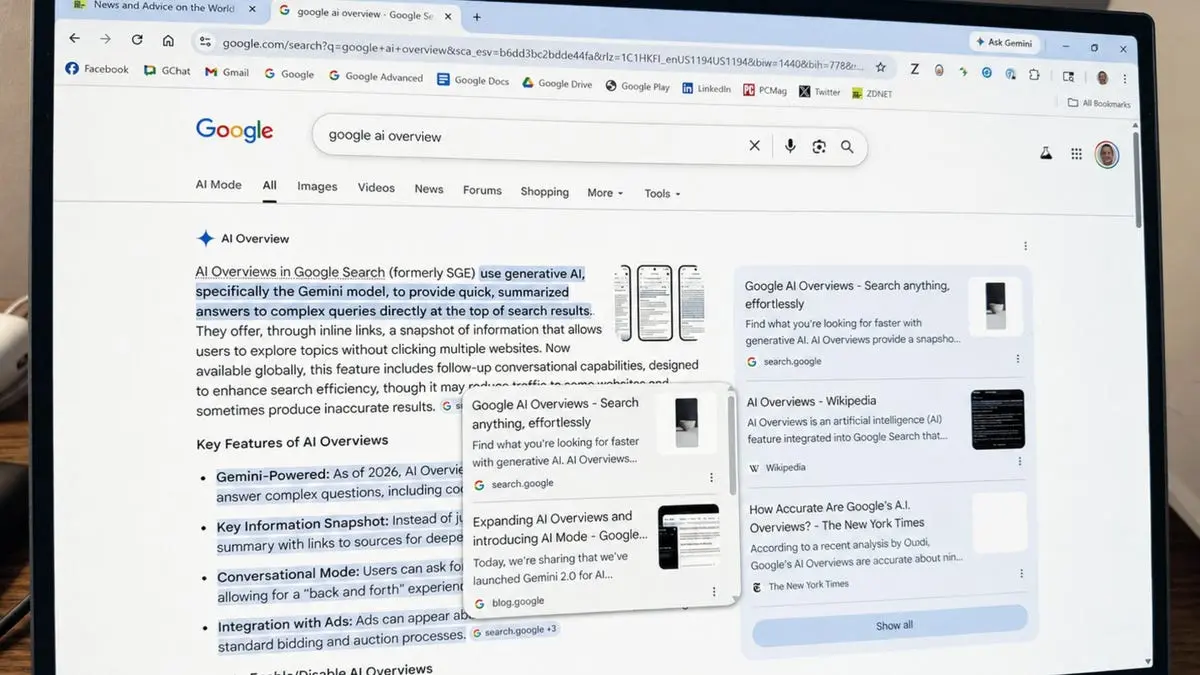
Google's AI Overviews have become a staple for many people seeking quick answers to their search queries. However, the summaries often lack the depth needed to fully understand a topic, forcing users to dig deeper into the sources. To address this, Google has announced five major updates designed to improve the way information is presented and accessed. These changes focus on bringing user-generated advice, subscription content, and better source visibility to the forefront of the search experience.
1. View advice from other people
One of the most requested features is the ability to see real-world advice from other individuals. AI Overviews will now include an "Expert Advice" section that pulls in brief remarks from discussion forums, social media platforms, and other online communities. For instance, if you search for tips on photographing the northern lights, the overview might show comments from a photography forum about exposure settings and camera gear. Each comment includes the name of the person or forum and a direct link to the full conversation. This allows users to explore diverse opinions and continue the discussion if they wish. The feature is particularly useful for subjective topics like pet care, travel recommendations, or product reviews, where personal experience matters.
2. Access your news subscriptions
For users who rely on specific news outlets for trusted information, Google now highlights links to their subscription sources directly within AI Overviews. This means if you have a subscription to a major publication, the AI summary will prioritize that source and display a clear link. Early tests showed that users were significantly more likely to click on these labeled links. Publishers can set up Subscription Linking via Google's tools to ensure their content appears prominently for paid subscribers. This move strengthens the connection between search and high-quality journalism, while also helping users avoid paywalls.
3. See links to the sources in the summary
Accuracy remains a major concern with AI-generated content. To combat misinformation, Google is now placing clickable links directly next to the relevant text within the AI summary. For example, a summary about a bike trip through California might include a link to a Pacific Coast touring guide next to the bullet point about terrain, and a link to a training blog next to the mileage recommendation. This inline linking makes it easier for users to verify facts and explore original sources without scrolling to the bottom of the page. The change addresses a common frustration where sources were hidden or hard to access.
4. Explore additional sources
Beyond the links used to generate the overview, Google now adds a section with suggestions for further reading. This appears below the AI summary and offers links to articles, case studies, or analyses on related aspects of the topic. For instance, a search about urban green spaces might surface a case study on Seoul's stream restoration project or a report on New York City's High Line park. This feature encourages deeper learning and helps users discover content they might not have found through the initial query. It also gives publishers a new avenue to reach interested audiences.
5. Preview linked websites in the summary
To reduce hesitation about clicking unknown links, Google now shows a quick preview when you hover over a link in the AI Overview. The preview displays the name or title of the destination site, giving users a better sense of what to expect before clicking. This small but impactful change aims to build user confidence and increase engagement with linked websites. Google has implemented similar hover previews in other parts of Search, and extending them to AI Overviews is a natural progression.
These five updates are part of Google's broader effort to refine its generative AI search experiences. The company has been using techniques like query fan-out to dive deeper into the web for relevant sources. By improving the visibility and helpfulness of links, Google hopes to connect users directly with original creators and discussions. The changes come amid ongoing scrutiny of AI-generated content, especially following investigations that found AI Overviews sometimes provide misleading health advice. With these new features, Google aims to strike a balance between convenience and credibility.
The rollout will occur over the coming weeks across desktop and mobile platforms. Users can expect to see the new elements gradually appear in their search results. For publishers, the update offers new opportunities to drive traffic from AI summaries, particularly if they invest in subscription linking and quality content. As AI continues to reshape search, these enhancements represent a step toward more transparent and user-centric information retrieval.
Source: ZDNET News