
There's a whole subgenre of crypto horror stories built around people who bought Bitcoin early, realized they'd lost access to it once the value skyrocketed, and then had to spend the next decade staring into the middle distance. One especially famous case involves a man who's now dedicated his life to searching a Welsh landfill for a small fortune. This latest tale looked like it belonged in the same pile, until Claude apparently helped give an 11-year Bitcoin search saga a happy ending.
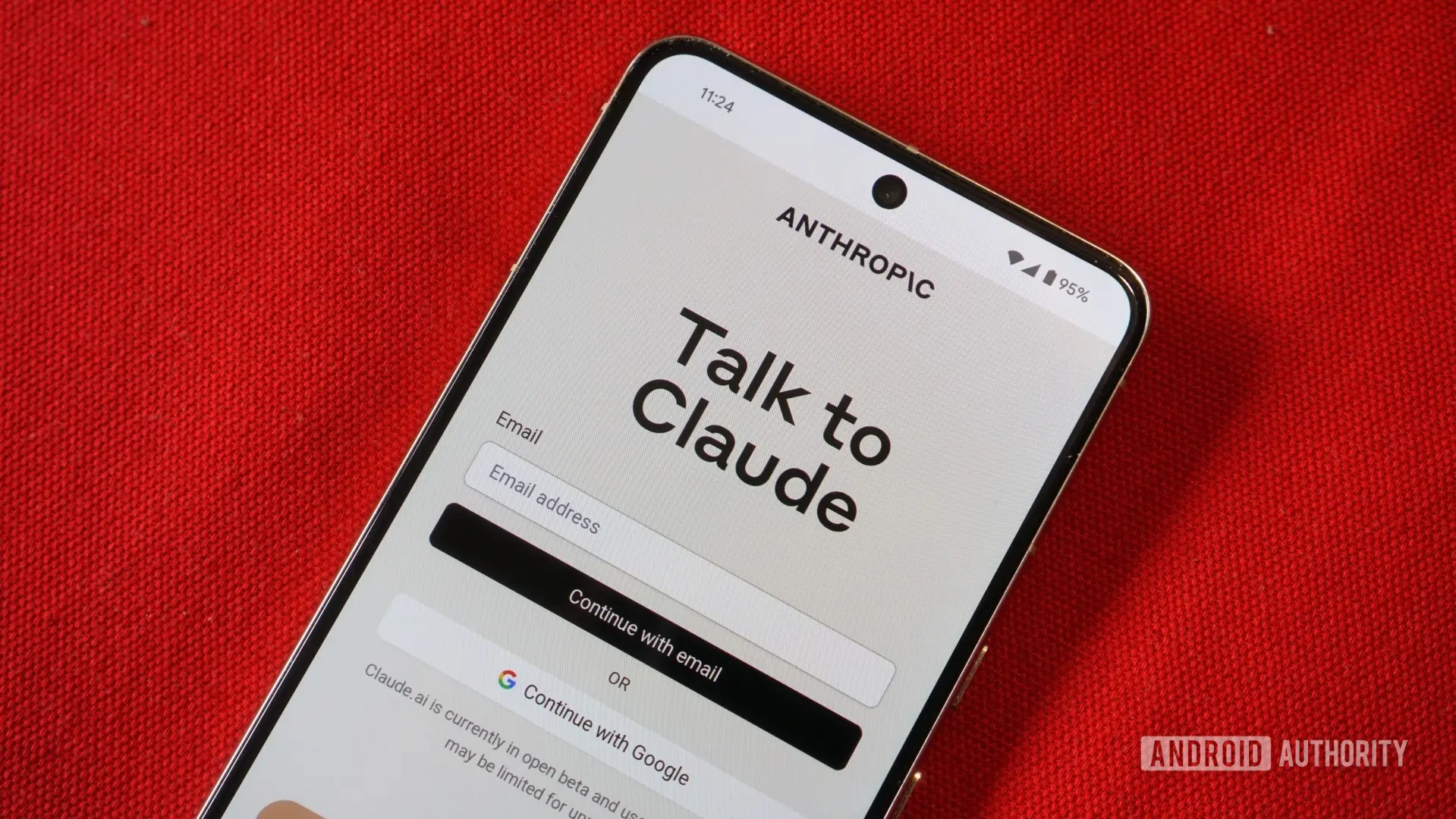
In a post on X, user @cprkrn claimed that Anthropic's Claude helped him recover access to 5 BTC from an old Blockchain.com wallet. It was originally purchased for around $1,250, and is worth almost $400,000 at the time of writing. In the post, he celebrated that "Claude just cracked this," thanked Anthropic and CEO Dario Amodei, and offered to name his child after the latter.
Before you panic-dump your crypto because AI can apparently crack Bitcoin wallets now, breathe. That isn't quite what happened here. Based on the user's own thread and screenshots, Claude seems to have helped him work through a messy recovery process involving a wallet backup and an old password clue.
The user says he had been locked out of the wallet for more than 11 years after getting high and changing the password. After trying trillions of password combinations without success, he says he made one last attempt by dumping files from his old college computer into Claude. The breakthrough, according to the thread, was that Claude found an old wallet file that could be decrypted using an old mnemonic/password he had found in a notebook.
The password he finally discovered, with Claude's help, was as unserious as you might expect. We won't include it here due to its profanity, but suffice to say, it certainly does feel thematically consistent with being locked out for 11 years because you got stoned and changed your wallet password.
So AI can't yet crack crypto wallets, but this is an example of one of its strong use-cases: acting as a tireless assistant that could sift through years-old files and connect the dots once it has found what you're looking for. Not bad for a chatbot, though maybe still not worth naming your kid Dario.
Background: The rise of Bitcoin and lost fortunes
Bitcoin's journey from a niche digital currency to a mainstream asset has been marked by both incredible gains and heartbreaking losses. Early adopters purchased Bitcoin for pennies, only to watch its value skyrocket into the thousands of dollars per coin. However, many of these early investors made the costly mistake of misplacing their private keys or passwords, effectively locking themselves out of their fortunes. The most notorious example is that of James Howells, a Welsh man who accidentally threw away a hard drive containing 7,500 Bitcoins in 2013. He has spent years fighting for permission to excavate a landfill site to retrieve the drive, an effort that has become a cautionary tale about the importance of secure backups.
The story of @cprkrn shares similarities but ends differently. While Howells' case remains unresolved, this user's recovery highlights a new tool in the arsenal of digital treasure hunters: artificial intelligence. The use of Claude, an advanced AI model from Anthropic, demonstrates how machine learning can assist in tasks that require pattern recognition and persistent data analysis over long periods.
How Claude helped recover the Bitcoin
According to the user's detailed thread, the recovery process was far from trivial. Over the course of 11 years, he had attempted to brute-force his way back into the wallet using various password combinations, testing trillions of possibilities without success. The wallet's password was changed while under the influence of cannabis, a decision he later regretted immensely. The original password was not recorded, but he had jotted down a cryptic mnemonic or clue in a notebook that remained from his college years.
In a last-ditch effort, he decided to use Claude to analyze the files from his old computer. He uploaded leftover wallet backups, fragmented logs, and the notebook clue. Claude, with its ability to process large volumes of text and recognize patterns, was able to locate an old wallet file that had been overlooked. More importantly, the AI helped decode the password clue: a string of profane words that, when combined, formed the correct passphrase. The user noted that the password was "so stupid it's genius" and that it perfectly fit the context of a stoned decision.
This story underscores a key strength of large language models (LLMs) like Claude: they can serve as tireless research assistants, sifting through vast amounts of unstructured data to find connections that a human might miss. In this case, the AI did not break any encryption; it simply helped piece together fragments of information that the user already possessed but could not interpret.
Implications for cryptocurrency security
The recovery story offers valuable lessons for anyone holding cryptocurrency. First, it highlights the importance of storing passwords and private keys in a secure but accessible manner. Many experts recommend using hardware wallets, writing down seed phrases on paper, or using encrypted password managers. However, even these methods are not foolproof if the user forgets the master password or loses the physical backup.
Second, the incident demonstrates that AI can play a role in asset recovery without posing a security threat. The common fear that AI will enable mass cracking of Bitcoin wallets is unfounded, as the underlying cryptography remains sound. However, AI can assist in recovering lost access when the user has partial information, such as password hints or old wallet files. This is a positive development for individuals who have locked themselves out of their own funds, but it also serves as a reminder that security measures should account for human error.
The cryptocurrency community has reacted with both amazement and humor. Many users joked about the power of AI to fix stoner mistakes, while others expressed relief that the funds were recovered by their rightful owner rather than stolen by a hacker. The thread went viral, garnering thousands of likes and comments, and even caught the attention of Anthropic's CEO.
A broader view: AI as a tool for digital archaeology
This case is just one example of how AI is being used for what some call "digital archaeology" — recovering data from old devices and formats that are no longer accessible. From retrieving deleted emails to restoring photos from corrupted drives, AI models can analyze residual data and metadata to reconstruct lost information. In the context of cryptocurrency, this could become a growing niche, especially as more early adopters approach retirement age and may have forgotten their credentials.
Anthropic's Claude, in particular, has been designed with safety and usefulness in mind. Unlike some AI models that can be easily tricked or produce erroneous outputs, Claude is trained to follow instructions carefully and avoid harmful behavior. Its ability to handle context windows of up to 100,000 tokens allows it to process entire documents or code repositories, making it ideal for tasks like scanning old computer files for wallet data.
While the user's story is heartwarming, it also serves as a cautionary tale about the risks of combining substances with financial decisions. The original mistake of changing a password while high could have resulted in a permanent loss of nearly half a million dollars. It was only through a combination of luck, persistent effort, and cutting-edge AI that the user avoided the landfill fate of James Howells.
In the end, the recovered Bitcoin is now safely controlled by its rightful owner, who has expressed profound gratitude to the AI that helped him. Whether he follows through on naming his child after Dario Amodei remains to be seen, but the story will undoubtedly be retold in crypto circles for years to come.
Source: Android Authority News