

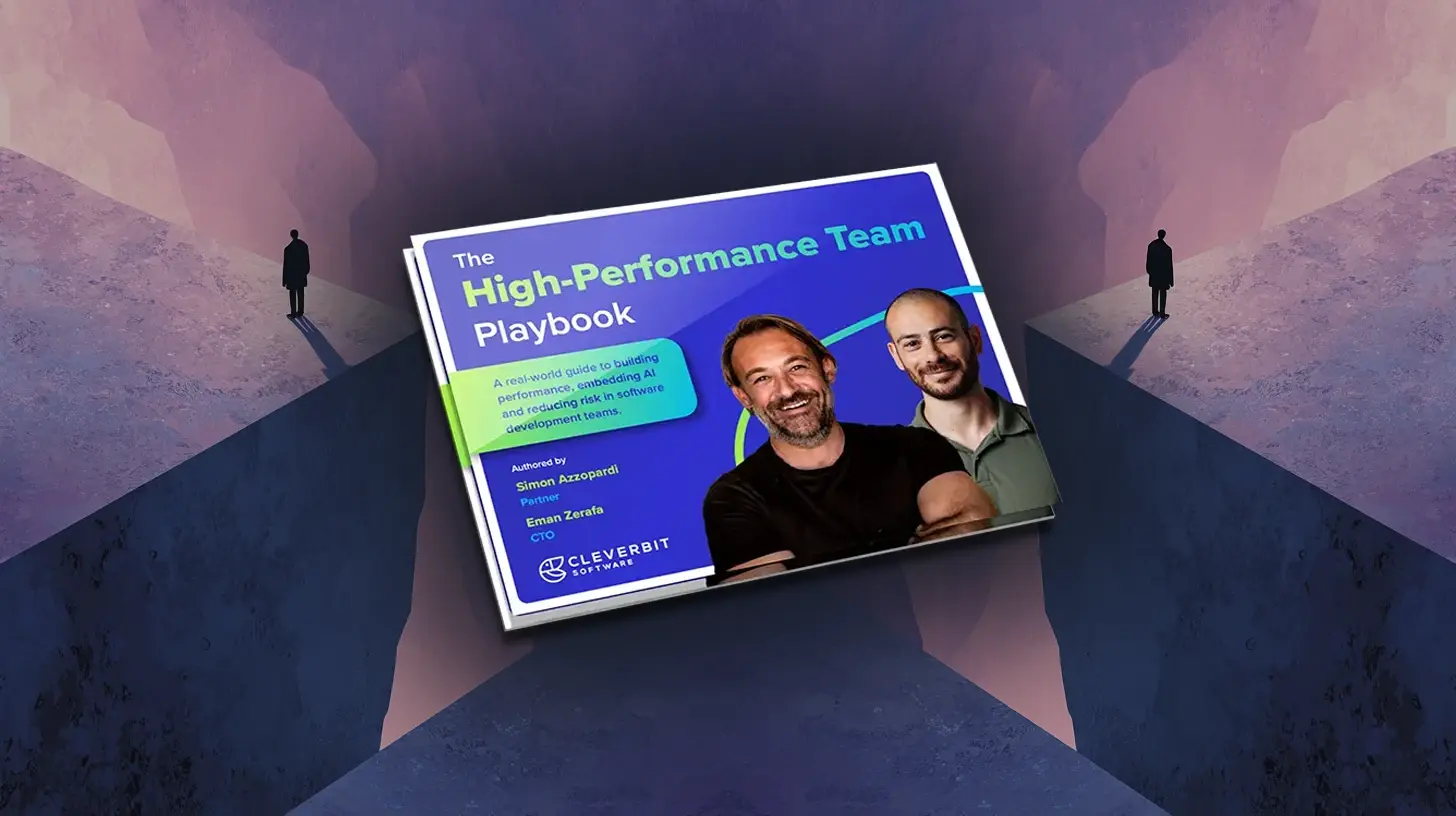
In the world of software engineering, the difference between a team that delivers consistently and one that struggles often comes down to intentional design. The High-Performance Team Playbook addresses this head-on, offering a practical guide for engineering leaders who want to build teams that are not just productive, but resilient, innovative, and scalable. The core thesis is simple yet profound: most engineering teams don't fail because of bad engineers. They fail because performance is assumed rather than engineered.
This playbook synthesizes insights from teams that have successfully built, scaled, and handed over engineering functions at the enterprise level. It moves beyond abstract theory, presenting tested frameworks for people management, organizational structure, leadership development, and the strategic use of artificial intelligence. The content is opinionated, practical, and forged under real delivery pressure.
Why Intentional Performance Matters
The assumption that hiring talented engineers automatically yields high performance is a common and costly mistake. Without deliberate systems for ownership, trust, and clarity, even the best individual contributors can become siloed, misaligned, or burnt out. The playbook emphasizes that performance must be built into the fabric of the team, from onboarding rituals to daily stand-ups, from code review practices to goal-setting frameworks. It draws on decades of collective experience in managing engineering organizations at companies ranging from startups to Fortune 500 enterprises.
Building Ownership, Trust, and Clarity
One of the first pillars covered is the creation of a culture where every engineer feels genuine ownership over their work. This goes beyond assigning tasks; it involves establishing clear domains of responsibility, empowering teams to make architectural decisions, and fostering psychological safety. Trust is built through transparency in communication, consistent follow-through on commitments, and a shared understanding of the team's mission. Clarity is achieved by defining the "what" and the "why" behind every project, using outcome-based metrics rather than output-based ones. The playbook provides concrete templates for setting team charters, conducting retrospectives that surface systemic issues, and running alignment workshops.
Hiring and Retaining for Performance, Not Comfort
A recurring theme is the distinction between hiring for comfort and hiring for performance. Comfort often leads to homogeneity and stagnation, while performance-driven hiring focuses on candidates who challenge the status quo, bring diverse perspectives, and exhibit a growth mindset. The playbook offers strategies for writing job descriptions that attract high performers, structuring interviews to assess problem-solving and collaboration under pressure, and designing onboarding processes that accelerate ramp-up time. Retention, too, is reimagined: rather than trying to keep everyone happy, the goal is to create an environment where top performers can thrive, which often means giving them autonomy, challenging work, and clear career progression paths. The playbook warns against the "bus factor" and advocates for knowledge sharing practices that distribute expertise across the team.
Structuring Teams That Scale Without Bureaucracy
As organizations grow, teams often become mired in red tape, slow decision-making, and diminishing agility. The playbook outlines structural patterns that enable scaling without ossification. Concepts like the two-pizza team, Spotify's squads and tribes, and Amazon's two-pizza team are revisited with modern adaptations. The emphasis is on reducing dependencies, aligning team boundaries with business domains (as per Conway's Law), and using lightweight coordination mechanisms. The playbook also addresses the role of platform teams, enabler teams, and the importance of a clear ownership model for shared services. It provides case studies of how enterprises have reorganized around value streams rather than technical layers, resulting in faster delivery and higher morale.
Leveraging AI as a Force Multiplier (Without Losing Control)
Perhaps the most forward-looking section deals with AI integration. The playbook acknowledges that AI, particularly generative AI, can dramatically boost developer productivity—through code generation, automated testing, intelligent debugging, and documentation synthesis. However, unchecked AI adoption can lead to quality degradation, security vulnerabilities, and loss of architectural coherence. The playbook advocates for a controlled adoption strategy: start with low-risk tasks like unit test generation, gradually expand to more critical functions, and always maintain human oversight. It suggests creating "AI guilds" or centers of excellence to share best practices, define guardrails, and evaluate tools. Metrics such as pull request review time, code churn, and incident frequency should be monitored to ensure AI is amplifying rather than replacing human judgment.
Measuring What Actually Drives Long-Term Results
The final set of insights focuses on measurement. Traditional metrics like lines of code or story points are dismissed as vanity metrics. Instead, the playbook champions lead indicators such as cycle time, deployment frequency, change failure rate, and mean time to recovery (the DORA metrics). It also emphasizes softer measures like employee net promoter score (eNPS), learning velocity, and innovation rate. The key is to use metrics as a diagnostic tool, not a performance scorecard. The playbook includes a framework for building lightweight dashboards that give teams actionable visibility without creating perverse incentives.
Beyond these core pillars, the playbook delves into leadership behaviors that foster high performance: leading by example, making decisions transparently, and cultivating a culture of continuous improvement. It also addresses the challenges of handing over engineering functions—whether due to organizational restructuring, acquisitions, or leadership changes—and provides a checklist for ensuring knowledge transfer and cultural continuity.
In an era where software is eating the world, the ability to build and sustain high-performance engineering teams is a critical competitive advantage. The High-Performance Team Playbook offers a comprehensive toolkit for engineering leaders who are serious about turning their teams into engines of innovation and delivery. It does not promise easy fixes; instead, it provides a disciplined approach to the hard work of building great teams.
Source: Help Net Security News