

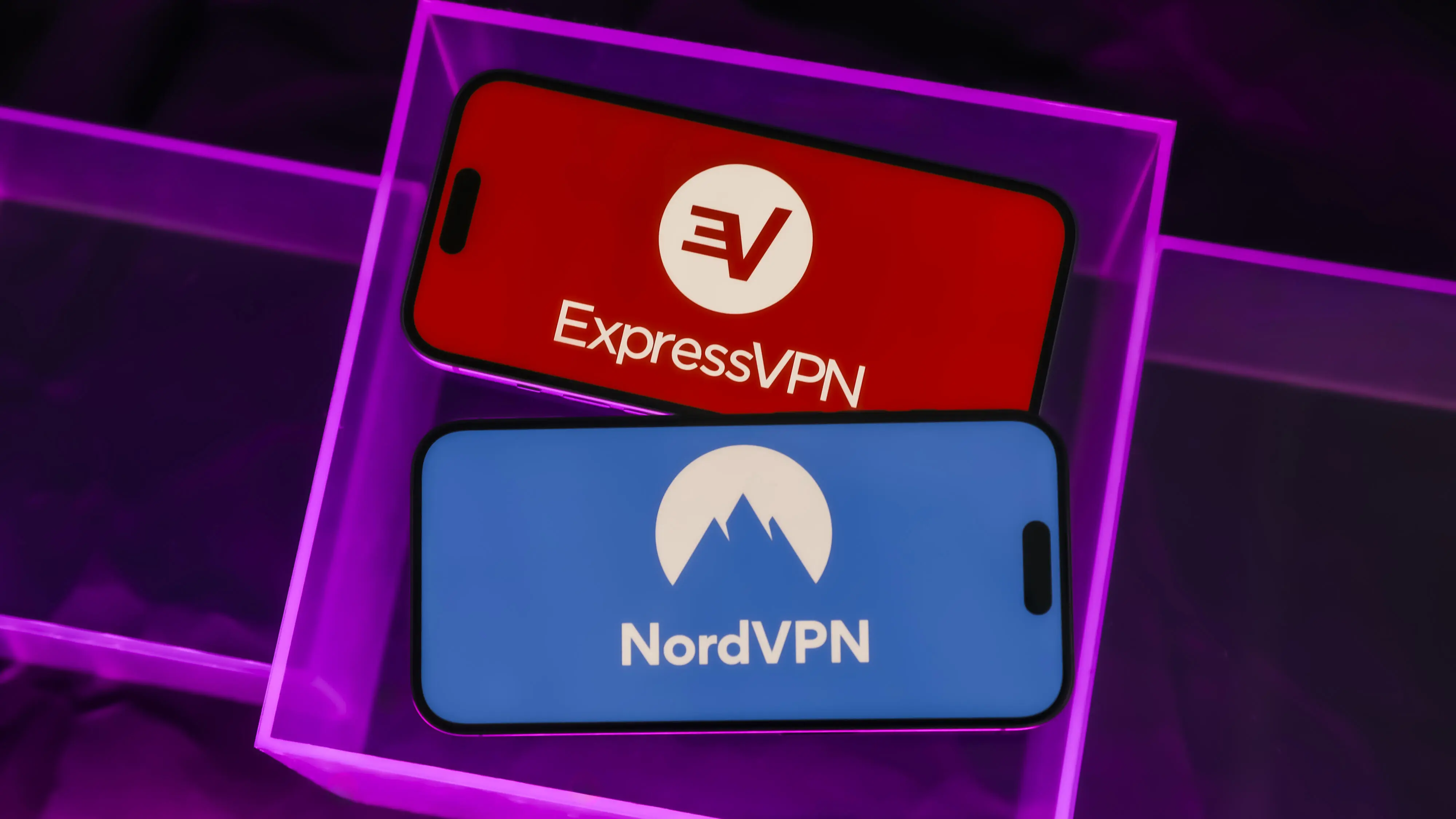
When it comes to virtual private networks, few names carry as much weight as ExpressVPN and NordVPN. Both have been industry leaders for over a decade, continually refining their services to meet the evolving demands of privacy-conscious users. In this detailed analysis, we compare every aspect of these two VPN titans: speed, security, streaming capabilities, usability, pricing, and overall value. Whether you're a seasoned privacy advocate or a casual user looking to secure your online activity, this guide will help you decide which VPN best suits your needs.
Speed and Performance
Speed is one of the most critical factors for any VPN user. In our latest tests, NordVPN emerged as the clear winner in this category, boasting an average speed loss of just 3%. That means your internet connection will barely slow down when connected to NordVPN, making it ideal for data-intensive activities like 4K streaming, online gaming, or large file downloads. ExpressVPN also performed admirably, with an average speed loss of 18%. While that figure is higher than NordVPN's, it still falls well below the industry benchmark of 25%, which many users consider the threshold for noticeable slowdowns. For most everyday tasks, both VPNs provide smooth and reliable performance. However, if raw speed is your top priority, NordVPN has the edge.
Pricing and Value
Pricing is another area where these two VPNs diverge significantly, especially when considering introductory offers and renewal rates. ExpressVPN offers a Basic plan at $13 per month, with promotional pricing of $75 for the first 15 months or $98 for the first 28 months. After the promotional period, the plan renews at $100 per year. For those who need more features, ExpressVPN's Advanced plan includes a password manager and additional security tools, costing $14 per month, with similar promotional options. The Pro plan adds data removal services and a dedicated IP, but it comes at a steep price of $20 per month.
NordVPN's Basic plan starts at the same monthly price of $13, with promotional offers of $60 for the first year or $83 for the first two years. However, its renewal rate jumps to a whopping $140 per year, making it one of the most expensive VPNs after the first term. To get extra features like a password manager and advanced malware protection, users need to upgrade to the Plus plan ($14 per month) or the Complete plan ($15 per month, adding cloud storage). The Prime tier includes identity protection and costs $18 per month. Notably, NordVPN's renewal prices are significantly higher than those of ExpressVPN, which could be a crucial factor for long-term users.
When comparing value, it's important to consider what each subscription includes. ExpressVPN's Advanced plan offers a strong bundle for a reasonable introductory price, while NordVPN's Basic plan provides decent value only for the first term. For users who want a comprehensive VPN solution without breaking the bank after the first year, ExpressVPN may offer better long-term value.
Privacy and Security
Both VPNs are headquartered in privacy-friendly jurisdictions outside the 14 Eyes alliance: ExpressVPN in the British Virgin Islands and NordVPN in Panama. They both maintain strict no-logs policies that have been independently audited, ensuring that your online activities remain private. However, ExpressVPN goes a step further with its commitment to transparency. The company has commissioned 23 independent audits since 2018, all of which are publicly available on its Trust Center. In contrast, NordVPN's audit reports are only accessible to paying customers, which some privacy advocates view as a limitation.
On the technical side, both services employ AES-256 and ChaCha20 encryption, along with features like kill switches and DNS leak protection. ExpressVPN has pioneered innovations such as TrustedServer technology, which wipes all data with every server reboot, and post-quantum encryption to guard against future threats. Its ShuffleIP feature automatically changes your IP address for each website you visit, adding an extra layer of anonymity. NordVPN offers its own post-quantum protections through its NordLynx protocol and includes advanced features like Onion over VPN and double-hop connections, which route your traffic through two servers for enhanced privacy. While both services are highly secure, the choice may come down to whether you prioritize transparency and cutting-edge privacy (ExpressVPN) or additional privacy features like multi-hop (NordVPN).
Usability and Ease of Use
ExpressVPN is renowned for its simplicity and consistent user experience across platforms. Its apps are minimalistic and intuitive, making them ideal for beginners. The Apple TV app, in particular, is well-organized and easy to navigate, while the router app offers the most straightforward setup in the industry. NordVPN's interface is also user-friendly, but it can feel cluttered, especially on mobile where the map navigation takes center stage. On the other hand, NordVPN's ability to pause the VPN connection instead of disconnecting completely is a handy feature for users who temporarily need to bypass the VPN.
Both VPNs offer native apps for Windows, macOS, Linux, Android, iOS, Android TV, Fire TV, and Apple TV. They also work on routers, but ExpressVPN's compatibility with its own Aircove router and the simplicity of its router app give it an edge for users who want to protect all devices in their home network. For streaming, both services excel at unblocking popular platforms like Netflix, Hulu, and BBC iPlayer. However, ExpressVPN has proven slightly more reliable for accessing specific international Netflix libraries, such as Hungarian content. NordVPN, with servers in 126 countries, offers broader geographic coverage, which may be beneficial for accessing content from less common regions.
Recent updates to ExpressVPN's iOS app include faster protocol selection and better server sorting, while NordVPN's app allows sorting by alphabet or popularity. Overall, for users who value a clean, straightforward interface and seamless cross-platform experience, ExpressVPN is the better choice.
Bottom Line
Ultimately, both ExpressVPN and NordVPN are premium services that deliver outstanding performance and security. The decision comes down to your specific priorities. If you need blazing-fast speeds and extra privacy features like double-hop VPN, NordVPN is the way to go. If you value ease of use, transparent privacy practices, and reliable streaming, ExpressVPN is the better option. For critical privacy needs and a company that goes above and beyond in auditing and transparency, ExpressVPN stands out. Whichever you choose, you're investing in one of the best VPNs on the market.
Source: CNET News