

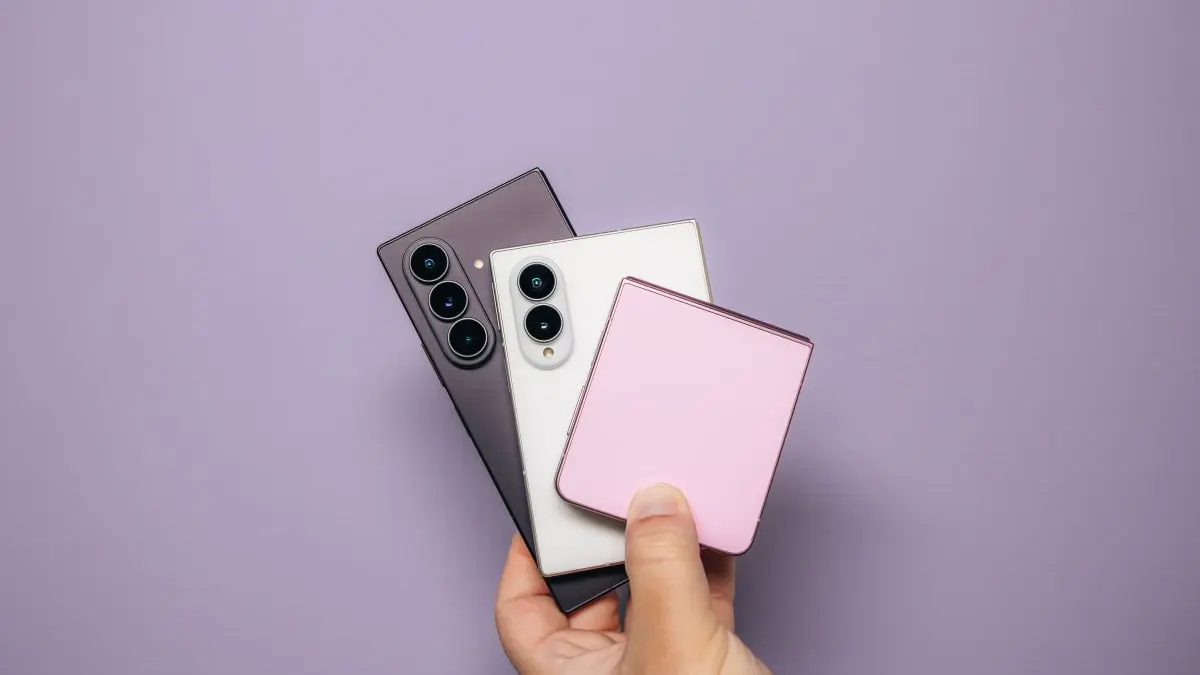
Samsung is set to launch its latest foldable smartphones on July 22 during Galaxy Unpacked. Ahead of the official debut, we got the chance to spend some hands-on time with the Galaxy Z Flip 8, Galaxy Z Fold 8, and Galaxy Z Fold 8 Ultra. While we haven't yet run processor benchmarks, battery tests, or camera comparisons, the first impression is overwhelmingly positive. These phones feel cool in a way that the iPhone lineup simply doesn't, and they are packed with thoughtful design innovations.
Meet the New Galaxy Z Lineup
The Galaxy Z Flip 8 is the most accessible of the trio, with a starting price of $1,199.99. It retains the beloved flip-phone form factor that fits comfortably in any pocket. When unfolded, it offers a compact yet usable display. The Z Flip 8 is touted by Samsung as the lightest and thinnest flip foldable ever, and our hands-on time confirms that claim. It feels almost impossibly slender but not fragile.
The Galaxy Z Fold 8 is the mid-range workhorse of the group, starting at $1,899.99. This year, it introduces a new, wider 4:3 aspect ratio when unfolded, making it more rectangular and closer to the rumored design of the upcoming iPhone Fold Ultra, which Apple is expected to unveil later this year. The Z Fold 8 is aimed at productivity users who need a tablet-like experience in a phone-sized device.
At the top sits the Galaxy Z Fold 8 Ultra, with a starting price of $2,199.99. This is the true flagship foldable, featuring a camera array that approaches the quality of the Samsung Galaxy S26 Ultra. While it still doesn't quite match the camera prowess of the S26 Ultra or the iPhone 17 Pro Max, the improvement is significant and will satisfy most photography needs.
Design and Feel: Cool Factor
From the moment you pick up any of these devices, the build quality is evident. The hinges are tight and smooth, and the screens fold flat without any noticeable gap. The Z Flip 8, in particular, stands out with its vibrant color options and a sleek design that invites compliments. In real-world use, people will stop you to ask about it—something that rarely happens with slab smartphones.
There is an undeniable satisfaction in snapping the Z Flip 8 closed. It's a tactile experience that evokes the nostalgia of flip phones while feeling thoroughly modern. The Z Fold 8 and Z Fold 8 Ultra, when unfolded, offer a razor-thin profile that belies the complexity of their engineering. Samsung has made significant strides in reducing weight without compromising structural integrity.
The cool factor extends beyond aesthetics. These phones offer a level of novelty and versatility that the iPhone ecosystem has yet to match. Apple's foldable may be on the horizon, but Samsung has a multi-year head start in perfecting the form factor.
The Crease Is Gone
One of the most common concerns about foldable phones is the visible crease in the display. Starting in 2025, Samsung effectively eliminated this issue, and the 2026 models continue that trend. When the screen is unfolded and powered on, the crease is nearly invisible. Running a finger over the display reveals only the faintest tactile indication. This improvement makes the foldable experience far more immersive and removes a major barrier to adoption.
Pricing and the Memory Crisis
Unfortunately, the biggest challenge for these phones is their price. The Z Flip 8 and Z Fold 8 Ultra are each $100 more expensive than their predecessors. This increase is a direct result of the ongoing global memory crisis, sometimes referred to as RAMageddon. The shortage of memory chips has driven up costs across the consumer electronics industry, and Samsung has had to pass some of those costs on to consumers.
Samsung has also eliminated many of its long-standing pre-order deals, making the upfront cost even harder to swallow. For potential buyers, the best strategy is to take advantage of trade-in offers from mobile carriers such as T-Mobile and Verizon. These carriers often provide significant discounts for trading in older devices, which can offset the sticker shock.
Market data from Counterpoint Research indicates that smartphone sales in the U.S. and China have declined this year, and high prices are a major factor. The foldable segment remains a niche, and while Samsung leads the category, affordability is a growing concern.
Key Upgrades Under the Hood
All three models are powered by the same chipset: the Snapdragon 8 Elite Gen 5 for Galaxy. This is a notable shift from earlier rumors that suggested the Z Flip 8 might use a weaker Exynos processor. The unified chipset ensures consistent performance across the lineup.
Battery life has received a boost, especially in the Z Fold 8 Ultra, which now packs a 5,000 mAh battery. The smaller Z Fold 8 has a 4,800 mAh cell. Both Folds support 45W wired charging and 20W wireless charging, which is a substantial improvement over previous generations. The Z Flip 8 also sees a modest battery increase, though exact figures were not shared during the hands-on session.
The camera system on the Z Fold 8 Ultra is a highlight. It features a 200MP main sensor, which is essential for professionals who need high-resolution photos and videos. Samsung has also improved the ultrawide and telephoto lenses, though the overall package still trails the best camera phones on the market. For most users, however, the camera performance will be more than adequate.
Samsung continues to innovate with features like Privacy Display, which allows you to control screen visibility for sensitive information, and the Galaxy Z Trifold, a concept that may eventually reach production. These developments show that Samsung is committed to pushing the boundaries of what a phone can be, even as it refines the foldable form factor.
Ultimately, the new Galaxy Z foldables represent a step forward in design, feel, and performance. They are expensive, but the trade-in deals and carrier promotions can make them attainable. More importantly, they offer a user experience that is distinctive and engaging—a cool factor that the iPhone, for all its polish, has not yet replicated. We look forward to putting these devices through rigorous testing to see how they hold up in real-world use.
Source: Mashable News