

Cities around the world are entering a new era of urban management, where artificial intelligence and data are no longer experimental tools but core components of everyday operations. From transport networks that adapt to real-time demand to streetlight systems that respond to environmental conditions, the potential for smarter, more efficient cities has never been greater. This roundup brings together insights from recent webinars, expert panels, and city profiles that illustrate how municipalities are harnessing these technologies to improve services, reduce carbon emissions, and build resilience.
AI and Data in Transport: The Foundation for Opportunity
Transport agencies are increasingly turning to artificial intelligence to improve service delivery, reduce congestion, and enhance passenger experiences. However, according to Katherine Flesh, a technology leader at Microsoft, the greatest opportunities will depend not on the sophistication of the algorithms themselves but on the strength of the underlying data foundations. Without clean, well-structured, and accessible data, AI models cannot function effectively. Cities must also invest in workforce readiness, ensuring that staff have the skills to interpret and act on AI-generated insights. Responsible governance is equally critical, with clear frameworks for data privacy, security, and accountability.
The emphasis on data groundwork is particularly relevant for transport agencies that have historically operated in silos. By breaking down these silos and creating shared data platforms, cities can enable more holistic decision-making. For example, integrating traffic data with weather information and event schedules can help predict congestion patterns and suggest alternative routes in real time. Similarly, data from smart ticketing systems can reveal passenger demand peaks and inform service frequency adjustments. These applications demonstrate that AI is only as valuable as the data that feeds it.
Webinar Highlights: Transforming Transport Operations
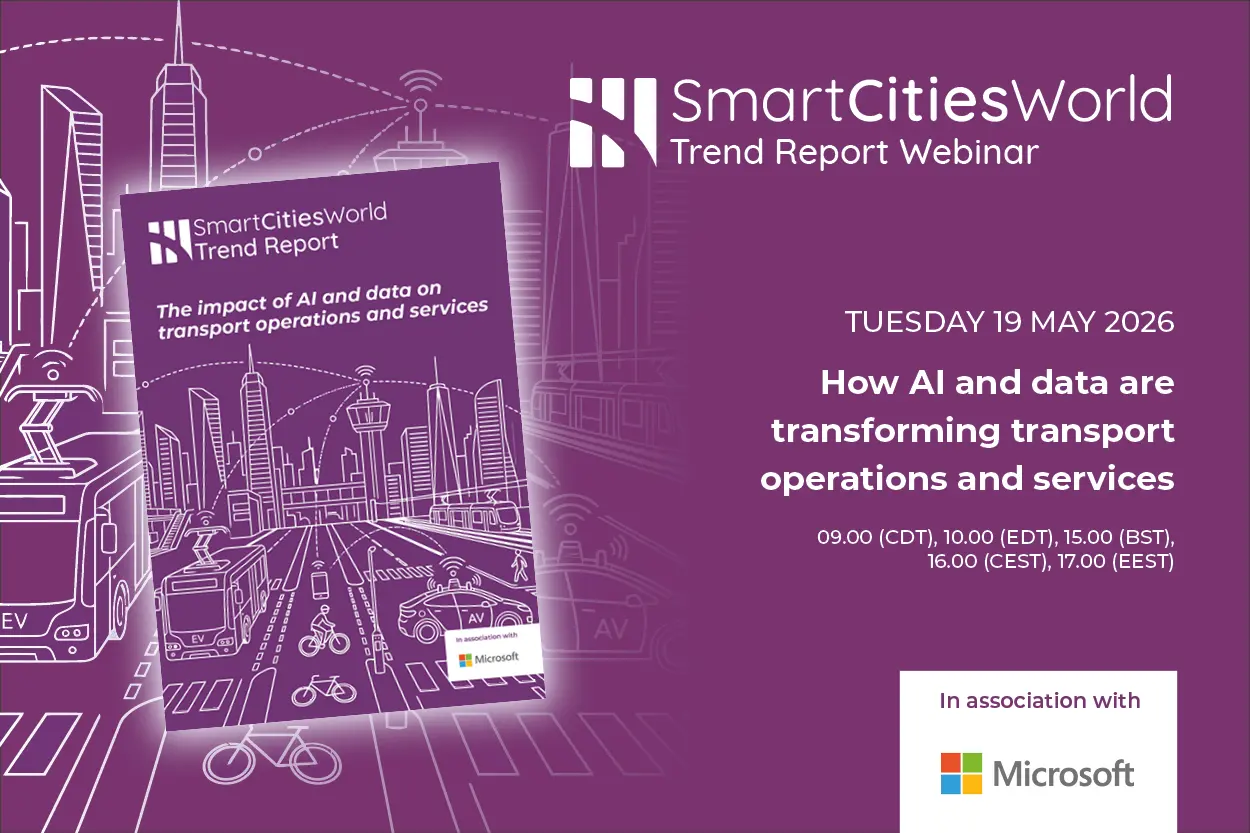
In a recent on-demand trend report webinar, industry experts gathered to discuss how AI and data are transforming transport operations and services. The session explored practical use cases, from predictive maintenance of vehicles and infrastructure to dynamic pricing models for public transport. A key theme was the need for a strategic, risk-based approach to technology adoption. Rather than deploying AI across every aspect of operations at once, cities should prioritise areas where the impact will be greatest and the risks most manageable. This approach allows for iterative learning and continuous improvement.
The webinar also featured insights from city officials who have already begun their AI journeys. They emphasised the importance of starting with a clear problem statement rather than chasing technology for its own sake. For instance, one city focused on reducing bus delays by using AI to optimise traffic signal timing along key corridors. Another used machine learning to predict the likelihood of accidents on certain stretches of road, enabling targeted safety interventions. These examples highlight the tangible benefits that can be achieved when AI is aligned with specific operational goals.
Digital Twins and AI in Infrastructure Management
Another on-demand trend report panel discussion examined how digital twins and AI are reshaping urban infrastructure management. Digital twins, which are virtual replicas of physical assets, allow cities to simulate different scenarios and test interventions without disrupting real-world operations. By combining digital twins with AI, cities can move from reactive maintenance to predictive and even prescriptive maintenance. This shift is enabling more efficient use of resources and longer lifespans for critical infrastructure.
The panel noted that infrastructure resilience is becoming a top priority for city leaders. Climate change, ageing assets, and growing populations are placing increasing strain on urban systems. A strategic, risk-based approach involves identifying the most critical assets and understanding their vulnerabilities. Digital twins can help by providing real-time data on asset condition and performance, allowing cities to allocate resources where they are needed most. The discussion also touched on the importance of data interoperability, ensuring that systems from different vendors can communicate with each other effectively.
Preparing for AI: Sunderland’s Data Groundwork
In an on-demand webinar titled “Preparing for AI – Understanding the Data Groundwork,” representatives from Sunderland shared their experiences in building the data infrastructure necessary for AI adoption. Sunderland has been repositioning itself as a leading smart city, using digital infrastructure and low-carbon innovation to create a resilient, future-focused economy. A key lesson from the webinar was that data must be treated as a strategic asset, not an afterthought. This requires investment in data governance, quality management, and secure sharing mechanisms.
Sunderland’s approach includes the development of a city-wide data platform that aggregates information from various council services, transport systems, and utilities. This platform provides a single source of truth for decision-makers and enables the development of AI applications that can improve everything from waste collection to street maintenance. The city is also working with local universities and businesses to build a skilled workforce capable of managing these new technologies. By taking a long-term view, Sunderland is positioning itself to be a model for other cities that are just beginning their AI journeys.
Dublin’s Smart City Innovations
Dublin is another city that is using innovation to improve experiences and services for its communities. Recent initiatives include digital twin projects that provide detailed visualisations of urban spaces, allowing planners to test different designs and assess their impact. Traffic reduction measures are also a priority, with the city exploring congestion pricing, improved cycling infrastructure, and smarter public transport scheduling. These efforts are not only aimed at reducing carbon emissions but also at boosting economic growth by making the city more attractive to businesses and residents.
The city’s approach to innovation is characterised by close collaboration between the public and private sectors. Start-ups and technology companies are invited to test their solutions in live urban environments, providing valuable feedback and creating a pipeline of new ideas. Dublin has also invested in citizen engagement platforms, ensuring that residents have a say in how their city evolves. By combining digital technology with a people-centred approach, Dublin is demonstrating that smart cities are about more than just sensors and algorithms—they are about improving quality of life.
Building Infrastructure Resilience
A virtual panel discussion at a recent summit focused on how cities can adopt a more strategic, risk-based approach to infrastructure resilience. Participants agreed that traditional methods of infrastructure planning, which often rely on historical data and incremental budgets, are no longer sufficient. Instead, cities need to understand the complex interdependencies between different infrastructure systems and prepare for a wider range of future scenarios. This includes not only physical risks such as floods and earthquakes but also cyber threats and technological disruptions.
The panel also discussed the role of leadership in driving resilience. Political leaders must be willing to make difficult decisions about investment priorities and to communicate the long-term benefits of resilience measures to their constituents. Community engagement is equally important, as local knowledge can provide valuable insights into vulnerabilities and potential solutions. By fostering a culture of collaboration and continuous learning, cities can build the adaptive capacity needed to thrive in an uncertain future.
Shaping Energy Systems
Another panel discussion at the same summit examined how local authorities can shape energy systems to be more sustainable and affordable. One of the key messages was that decentralisation plays a crucial role. Rather than relying solely on large, centralised power plants, cities are increasingly investing in renewables, flexibility services, storage, and smarter networks. This allows for more local control over energy generation and consumption, reducing dependence on fossil fuels and increasing energy security.
Energy storage is a particular focus, as it enables cities to store excess renewable energy and use it when demand peaks. Batteries, thermal storage, and even electric vehicle batteries can serve as flexible resources that help stabilise the grid. Smarter networks, equipped with sensors and digital controls, allow for real-time monitoring and management of energy flows. The panel noted that local authorities have a range of tools at their disposal, including planning policies, procurement decisions, and partnerships with energy companies. By taking an active role in shaping their energy systems, cities can not only reduce carbon emissions but also create new economic opportunities and improve public health.
Climate Leadership in Glasgow
In an interview, Susan Aitken, the leader of Glasgow City Council, reflected on her nine years at the helm and the city’s transformation into a global superpower of local climate action. She attributed this success to a combination of leadership, courage, and community involvement. From the outset, the council made climate action a central pillar of its strategy, integrating it into every aspect of decision-making. This included ambitious targets for reducing emissions, investments in renewable energy, and the development of green spaces and active travel routes.
Aitken also highlighted the importance of community engagement in building support for climate policies. By involving residents in the planning process and ensuring that the benefits of climate action are shared equitably, the city has been able to maintain public backing even in difficult economic times. As she prepares to step down, Aitken leaves behind a legacy that will inspire other cities to take bold action on climate change. Her tenure demonstrates that with strong leadership and a clear vision, it is possible to make significant progress towards sustainability.
Regenerative Cities: Beyond Resilience
Professor Lily Kong, President of Singapore Management University, has put forward a compelling vision of cities that go beyond resilience to become regenerative and restorative. In a recent presentation, she argued that cities should not only withstand shocks and stresses but also actively repair the damage they have caused to the environment and to their communities. This means designing urban spaces that enhance biodiversity, promote social cohesion, and support mental and physical wellbeing.
Kong’s concept of a regenerative city is rooted in a deep sensitivity to the needs of local communities. This involves listening to residents, understanding their daily experiences, and incorporating their voices into planning processes. It also requires a shift in mindset from seeing cities as static entities to viewing them as living systems that are constantly evolving. By adopting a regenerative approach, cities can create environments that not only sustain but also enrich the lives of their inhabitants.
Smart Lighting and Cybersecurity
Streetlights are one of the most ubiquitous elements of urban infrastructure, and they are undergoing a digital transformation. The final episode of a series on smart lighting explored how global cities are approaching this technology and the related cybersecurity risks. Smart lighting systems, which use sensors and networked controls to adjust lighting levels based on occupancy and time of day, offer significant benefits in energy efficiency and public safety. However, they also introduce new vulnerabilities, as these systems are connected to the internet and can be targets for cyberattacks.
The second episode of the same series delved into the technology and considerations behind turning existing streetlight networks into secure, interoperable, and future-proof infrastructure. One of the key challenges is that streetlights are often owned and maintained by different entities, including municipalities, utilities, and private contractors. Ensuring interoperability between different lighting systems and control platforms is essential for seamless operation. Cities also need to establish clear cybersecurity protocols, such as secure communication protocols, regular software updates, and incident response plans. By addressing these issues upfront, cities can fully realise the benefits of smart lighting while minimising risks.
Priorities for Healthier, More Sustainable Cities
The organisation behind a major environmental technology trade fair recently discussed the priorities shaping healthier and more sustainable cities. These priorities include reducing air pollution, promoting circular economies, and investing in green infrastructure. The trade fair itself provides a valuable platform for sharing practical solutions and building new connections among city leaders, technology providers, and sustainability experts. By bringing together diverse stakeholders, such events can accelerate the adoption of innovative approaches to urban challenges.
One of the key themes of these discussions is the importance of scaling up successful pilot projects. Many cities have launched small-scale initiatives that demonstrate the feasibility of new technologies, but struggle to expand them to a citywide level. This requires supportive policy frameworks, access to finance, and the capacity to implement complex projects. The trade fair offers an opportunity for cities to learn from each other’s experiences and to forge partnerships that can help overcome these barriers.
Staying Informed Through Newsletters
Daily and weekly newsletters provide a convenient way for city officials, industry professionals, and researchers to receive curated news, interviews, special reports, and guest opinions. These newsletters consolidate the most important stories from across the urban innovation landscape, offering a comprehensive overview in a single email. By subscribing, readers can remain informed about emerging trends, best practices, and new technologies as they develop.
Source: Smart Cities World News