

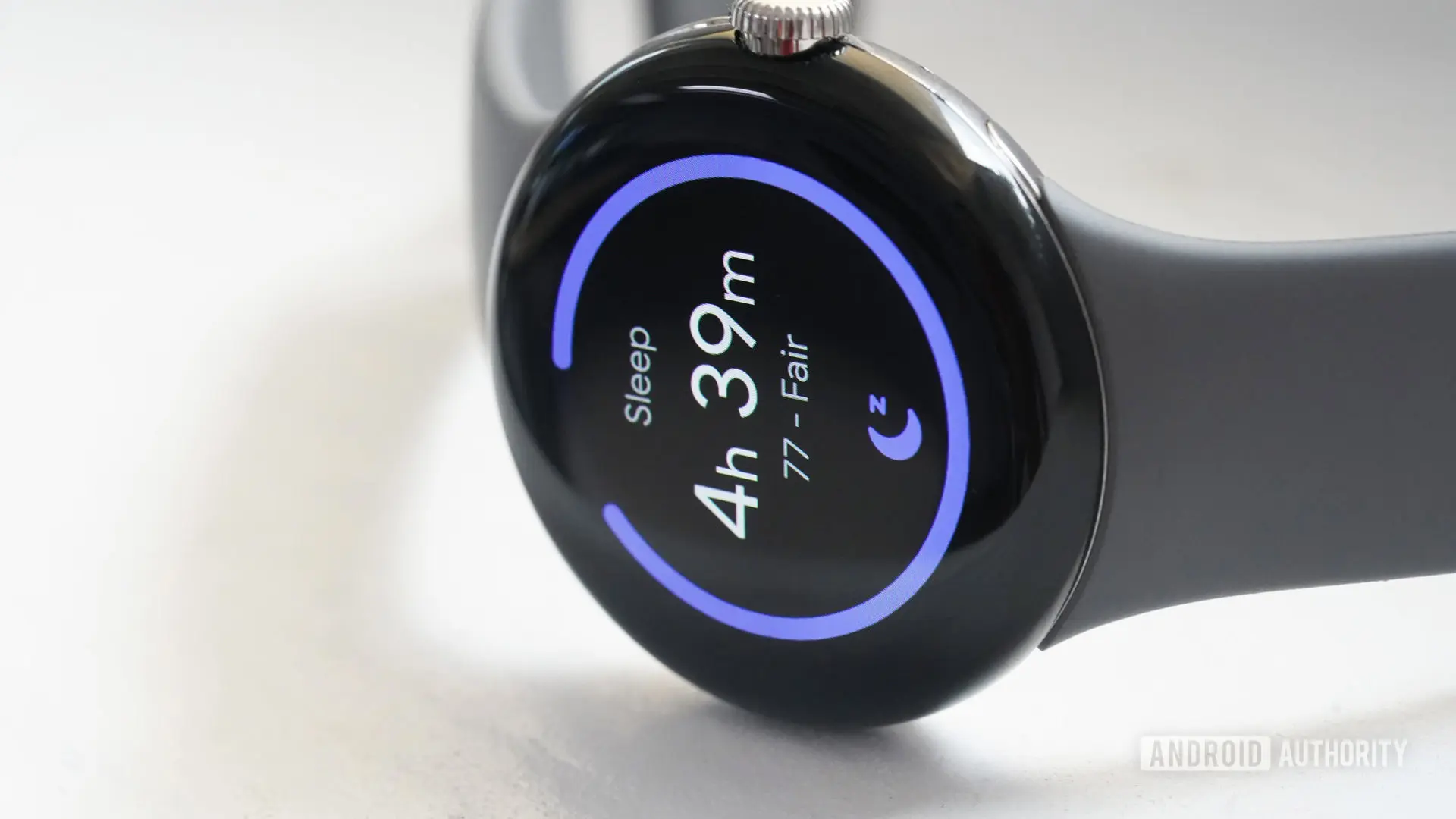
Sleep tracking is one of the most valued features of modern smartwatches, and Google's Pixel Watch lineup aims to provide comprehensive insights into rest and recovery. However, a growing number of users are experiencing a frustrating glitch: after wearing their watch to bed, they wake up to a message that says 'No recent data. Wear your watch to sleep.' This bug has left many owners unable to view their sleep stats directly on their wrist, even though the data continues to appear in the Fitbit app. Reports indicate that the problem primarily affects the Pixel Watch 2, though some original Pixel Watch users have also encountered it.
The Bug in Detail
The issue was first highlighted on a popular online forum where a Pixel Watch owner described a multi-day struggle to access sleep data. According to the user, the watch correctly senses that they are asleep, records metrics such as time asleep, awake periods, and sleep stages, yet the device refuses to show any summary. Instead, the notification suggests that no sleep tracking occurred at all. This contradictory behavior has led to confusion and frustration, as users rely on their wrist for a quick morning overview before checking the full app.
Multiple users have echoed the same experience. Many note that the problem persists even after restarting the watch, resetting sleep tracking settings, or re-syncing with the Fitbit app. The consistency of reports suggests a software-level bug rather than a hardware failure. Interestingly, the data continues to sync to the Fitbit app on a paired smartphone, indicating that the sensors are working correctly and that the watch is recording information properly. The breakdown appears to be in the local display or notification logic on the watch itself.
Affected Models and Scope
Based on community feedback, the Pixel Watch 2 is disproportionately affected. This could point to a bug introduced in a recent firmware update specific to that model, or a server-side change that impacts how the newer watch communicates sleep data. The original Pixel Watch is not entirely immune, but reports from that user base are far fewer. As the Pixel Watch 2 was released in late 2023 with upgraded sensors and a refined operating system, any sleep-tracking regression is particularly concerning for users who upgraded expecting improved health features.
The timing of the bug is also notable. Google is in the midst of transitioning the Fitbit platform into a unified Google Health experience. This involves backend changes that could inadvertently affect data pipelines. For instance, the Fitbit app recently lost its social features, and more modifications are expected. While the company has assured users that health data will remain intact, the current sleep stat dropout suggests that some display components may be misconfigured during the transition.
How Pixel Watch Sleep Tracking Typically Works
To understand the bug's impact, it helps to review how sleep tracking operates on the Pixel Watch. The device uses a combination of accelerometer, heart rate sensor, and SpO2 monitor to detect sleep stages (light, deep, REM, and awake). After a night's rest, the watch aggregates this data into a sleep score (0-100) and provides a summary including total sleep time, time in each stage, and heart rate variability. This summary is typically available in two places: the Fitbit app on the phone and a dedicated sleep tile or notification on the watch itself.
The on-watch display is especially convenient for a quick glance in the morning. Users expect to raise their wrist and see a concise sleep report without pulling out their phone. When this fails, the workflow becomes cumbersome: they must open the Fitbit app, manually sync, and wait for data to load. For those who rely on the watch to check their sleep quality while still in bed, the bug disrupts a key part of their daily routine.
Potential Causes Behind the Glitch
Several theories have emerged within the user community and among analysts. One possibility is a bug in the latest Wear OS update applied to the Pixel Watch 2. Google periodically rolls out system updates that can introduce regressions in vendor-specific features like sleep tracking. A second theory involves the ongoing Fitbit-to-Google health migration. If the sleep summary tile on the watch pulls data from a Fitbit API that is being deprecated, it may fail to retrieve the information even though the underlying recording works.
Another plausible scenario is a cache or database corruption on the watch. When the sleep data is written to local storage, a corrupted index could prevent the system from reading it back correctly. This would explain why a factory reset sometimes resolves the issue, though not permanently. Finally, server-side authentication glitches can occur if the watch loses its pairing credential temporarily, causing the display to default to 'no data.' Given that the bug appears to affect multiple users simultaneously, a widespread infrastructure problem is not out of the question.
Google's Response and Next Steps
As of the time of writing, Google has not issued an official statement regarding the missing sleep stats. The company's support channels have directed affected users to standard troubleshooting practices such as restarting the watch, checking for updates, and ensuring Bluetooth connectivity is stable. When reached for comment by several technology outlets, a Google spokesperson acknowledged awareness of the reports but declined to provide a timeline for a fix.
In the interim, users can employ a workaround: manually trigger a sync to the Fitbit app and view the data on the phone. While this doesn't restore on-watch functionality, it proves that the tracking itself is intact. Some have also discovered that switching the sleep tracking mode between 'automatic' and 'scheduled' and then back again can temporarily force the watch to display the previous night's data. However, this is not a reliable solution.
Broader Context: The Shift from Fitbit to Google Health
This sleep stat bug arrives at a critical juncture for Google's wearables strategy. The company acquired Fitbit in 2021 with the intention of integrating its health-tracking expertise into the Pixel ecosystem. The upcoming Google Health app is expected to replace the Fitbit app entirely, offering a unified dashboard for all health metrics from Pixel Watch and other connected devices. The transition has been gradual, with social features disabled earlier this year and some backend services being rewritten.
Such large-scale migrations often encounter technical hiccups when data models change or endpoints shift. The present bug could be a symptom of that transition—a piece of code that references the old Fitbit API while the new system expects data in a different format. If true, the solution would involve updating the on-watch firmware to point to the correct service. Until Google clarifies, users are left in limbo.
Historical Context: Sleep Tracking Bugs in Other Wearables
Sleep tracking errors are not unique to the Pixel Watch. In 2022, Apple Watch users reported a similar issue where 'Sleep' data failed to show on the watch but remained in the Health app. That bug was eventually fixed with a watchOS update. Samsung's Galaxy Watch has also occasionally omitted nightly summaries due to sync delays. What stands out about the Pixel Watch case is the lengthy duration and the lack of a clear workaround. The community's frustration is compounded by Google's silence, which contrasts with the usually responsive support from competitors.
For health-focused users, such bugs erode trust. Sleep tracking is often used by individuals trying to improve their sleep hygiene or manage conditions like insomnia. Losing access to morning stats can disrupt their tracking routines and emotional motivation. The fact that the data exists but is hidden suggests a firmware-level fix should be straightforward, but the wait continues.
What Users Can Do Now
If you are affected by this bug, there are a few steps to try. First, confirm that your Pixel Watch is running the latest software—go to Settings > System > About > Versions and check for updates. Next, restart both the watch and the paired phone. Then, open the Fitbit app and force a sync by pulling down on the main dashboard. Once the phone syncs, the watch should recognize the data, though the native sleep tile may still display 'No recent data.' Some users report success by uninstalling and reinstalling the Fitbit app (note that this may reset some preferences). Finally, you can always access your sleep history in the Fitbit app under the 'Sleep' tab, where all recorded data remains intact.
If none of these steps work, the most reliable option is to wait for a software patch. Google typically pushes monthly security updates to the Pixel Watch, and a fix could arrive in the next cycle. In the meantime, you can provide feedback via the 'Help & Feedback' section in the Fitbit app to increase visibility of the issue.
Looking Ahead: Expected Resolution
Based on past patterns, Google is likely to address this bug within a few weeks. The company has a vested interest in maintaining the reputation of its health tracking, especially as it prepares to launch new Pixel Watch models later this year. The migration to Google Health adds urgency, as the new platform must demonstrate reliability from day one. Industry watchers anticipate that a minor update to the Fitbit app server components will resolve the discrepancy, followed by a watch firmware update if necessary.
Users who are deeply troubled by the missing on-watch sleep stats might consider enabling the 'Sleep Schedule' feature in the Fitbit app, which forces the watch to expect sleep at certain times and could help trigger the correct display logic. Additionally, resetting the watch's data through the 'Clear cache' option in the Recovery menu (advanced procedure) has helped some, but this should be done cautiously as it erases all locally stored non-synced data.
Ultimately, the Pixel Watch remains a capable sleep tracker, and the underlying data is secure. The current glitch is an inconvenience rather than a loss of functionality. As the tech industry moves toward more integrated health ecosystems, such growing pains are expected but nonetheless frustrating for end users. With any luck, a comprehensive fix will restore the seamless morning experience that Pixel Watch owners have come to expect.
Source: Android Authority News