

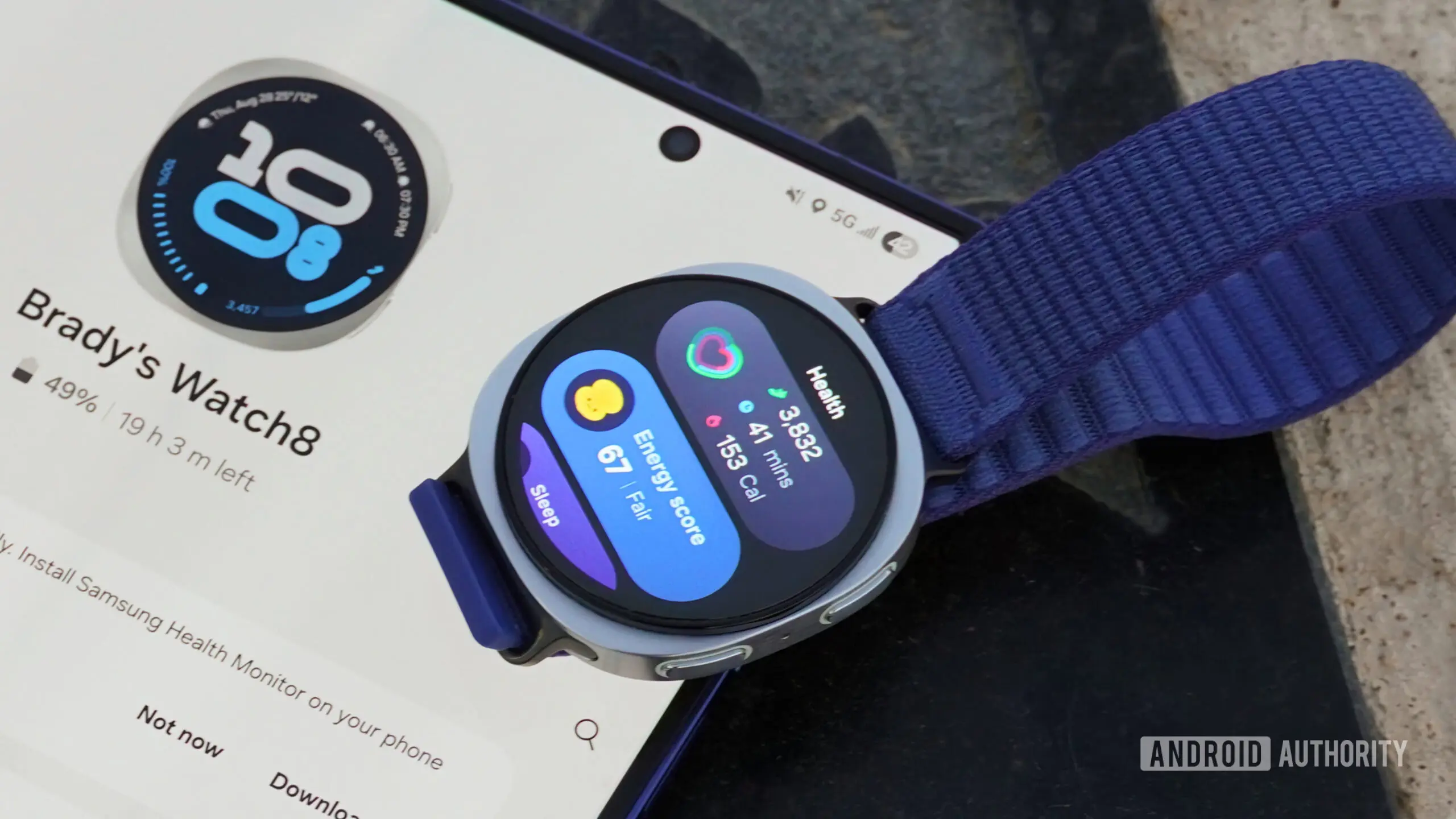
For years, smartwatches have collected vast amounts of health data — heart rate, sleep stages, blood oxygen, body composition — but often left users drowning in numbers without meaningful context. That age of passive tracking may soon end. According to a new leak, Samsung is preparing to release the first beta of One UI 9 Watch, and it promises to shift the Galaxy Watch from a mere data collector to a proactive health coach powered by Galaxy AI.
The leak: What we know so far
The information comes from tipster @TonySamsunglove on X, who reports that Samsung is working on the One UI Watch 9.0 beta with a heavy focus on artificial intelligence. The biggest change appears to be how the device handles health data. Instead of simply displaying raw numbers from the BioActive sensor — such as heart rate variability, sleep stages, body composition, and activity metrics — the upcoming software will generate AI-powered health reports. These reports are expected to identify patterns, predict trends, and offer personalized recommendations. For instance, instead of just showing that your heart rate went above 120 bpm during a run, the watch might explain why that happened and what it means for your fitness level, and even suggest adjustments to your routine.
From raw data to actionable insights
Current health tracking on wearables suffers from a fundamental problem: data overload. Users see charts and graphs but rarely have the time or expertise to interpret them. Samsung’s One UI 9 Watch aims to solve that by employing Galaxy AI to act as an interpretive layer. The AI will look at your historical data alongside real-time metrics to provide context. For example, if your sleep quality dropped last night, the watch could correlate it with your evening activity, caffeine intake, or stress levels, offering a coherent explanation and advice. This mirrors what competitors like Apple have already started doing with health data, but Samsung is aiming to take it further by integrating the AI directly into the watch’s operating system rather than relying on a companion phone app.
The leak also suggests that Samsung is optimizing the BioActive sensor and adding new health metrics, though details remain vague. This could mean improved accuracy for existing measurements (like blood pressure and ECG) or entirely new capabilities. Given Samsung’s partnership with Google on Wear OS, the underlying platform will likely be Wear OS 7, which is expected to include deeper Gemini integration, better battery management, live activity updates, and enhanced workout tracking. These platform-level upgrades provide a stronger foundation for Samsung’s AI features.
Historical context: Samsung’s health journey
Samsung has been in the wearable health market for over a decade, starting with the Gear line and later the Galaxy Watch series. The introduction of the BioActive sensor in 2022 consolidated heart rate, blood oxygen, and body composition sensors into a single chip, improving efficiency. However, the software side has lagged behind. Users often complained that the Health app displayed data in confusing dashboards. One UI 5 Watch brought sleep coaching and advanced running metrics, but it still lacked the AI-driven interpretation seen in rivals.
With One UI 9 Watch, Samsung aims to close that gap. The company has been investing heavily in Galaxy AI across its devices, including the Galaxy S24 series and tablets. Now, that AI is coming to wearables in a meaningful way. The goal is to transform the watch from a passive recording device into an active health companion that helps users understand their body and make better decisions.
What this means for users
If the rumors hold true, the next One UI update could be the most ambitious health software Samsung has ever released. Instead of seeing a daily heart rate average, you might receive a weekly summary that notes a recurring pattern of elevated resting heart rate on days following high-stress work events, along with suggestions for breathing exercises or schedule adjustments. The AI could also predict when you are at risk of overtraining, insufficient sleep, or illness based on your biometric trends.
This shift to predictive health coaching is significant. The wearable industry has long promised that data would lead to better health outcomes, but the reality has often fallen short because the interpretation step was missing. Samsung’s approach could make health tracking more accessible to the average user who doesn’t want to become a data analyst. The key will be how well the AI communicates these insights — if it becomes too prescriptive or obtrusive, it could backfire. But early signs from the leak suggest a balanced approach that prioritizes clarity and usability.
Availability and beta rollout
Based on Samsung’s past beta programs, the first One UI 9 Watch beta will be available for the Galaxy Watch 8 lineup in South Korea and the United States, with other models following later. The stable release is expected to coincide with the next Galaxy Unpacked event, likely in mid-2025. Users who enroll in the beta will get early access to the AI health reports and can provide feedback to refine the features before the public launch.
The update also hints at deeper integration with Samsung Health on the phone, perhaps syncing AI insights across devices. As wearables become more powerful, the line between watch and phone continues to blur. One UI 9 Watch may also introduce new watch faces that prioritize health data visualization, customizable health dashboards, and more intelligent notifications that adapt to your current state.
Beyond health, the update is expected to bring general improvements to the user interface and performance. The Wear OS 7 base will offer better multitasking and app launching. But the health features are clearly the star of the show. Samsung is betting that users want their smartwatch to be a proactive health manager, not just a passive tracker.
In a market where Apple Watch dominates with its Health app and blood oxygen monitoring (though currently embroiled in patent disputes), Samsung needs to differentiate. AI-driven coaching could be that differentiator. Meanwhile, Google’s Pixel Watch has yet to make a major health software splash. Samsung, with its broad device ecosystem (phones, tablets, earbuds, TVs, appliances), can integrate health data across multiple touchpoints — something neither Apple nor Google alone can match.
The next few months will be critical. If the beta feedback is positive, One UI 9 Watch could set a new standard for how wearables handle health data. But even if the final product isn’t perfect, the direction is clear: smartwatches are evolving from fitness bands into intelligent health partners. Samsung appears ready to lead that charge.
Source: Android Authority News