

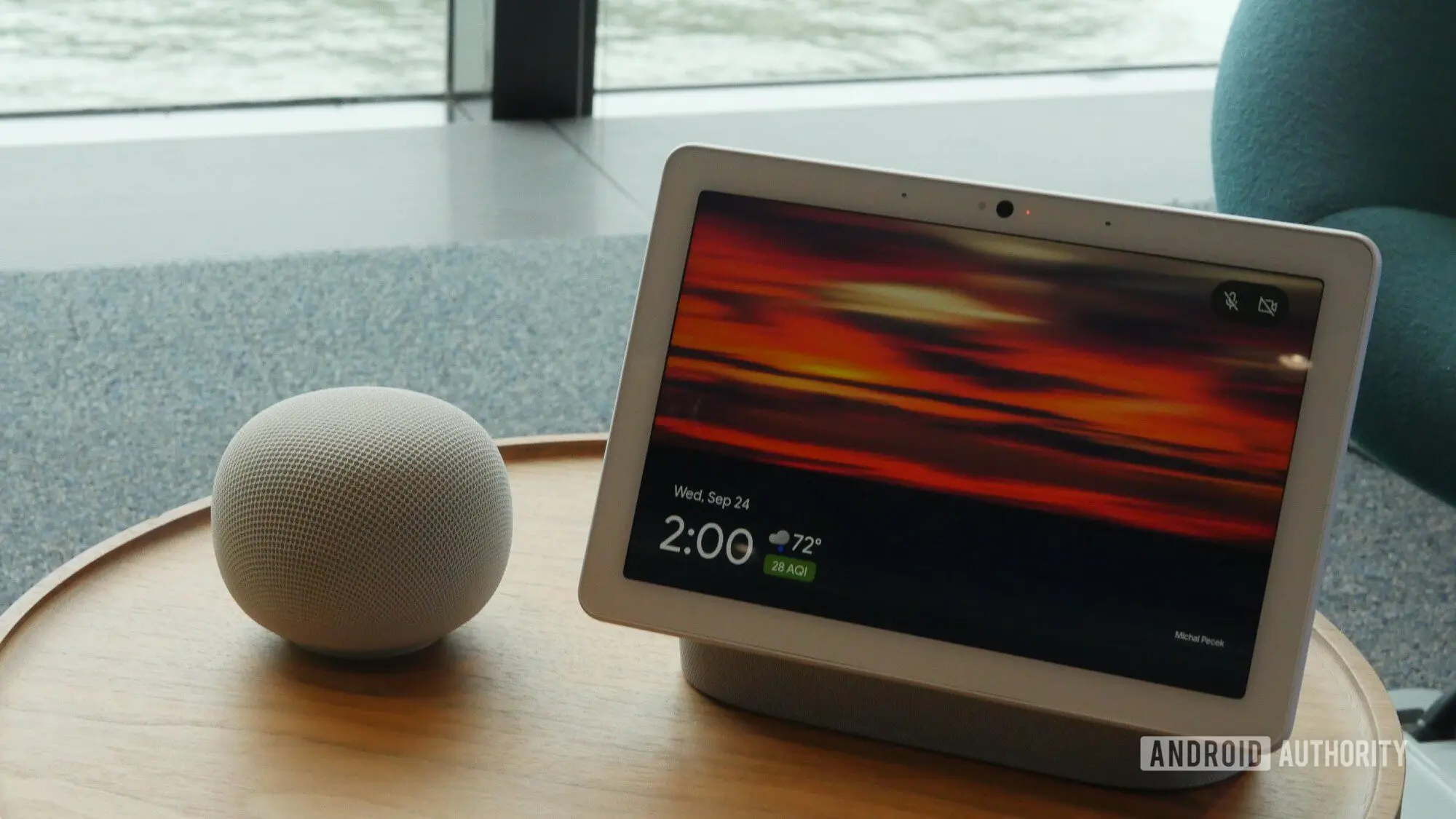
In recent days, users of Google Home devices have been experiencing significant delays in voice response times, with some commands taking up to a minute to execute or simply timing out. The issue, which first came to light on Reddit, has affected a wide range of devices, including Google Nest speakers, smart displays, and third-party speakers integrated with Google Assistant. Google has acknowledged the problem and stated that a fix is being developed and deployed as quickly as possible.
Background of the Issue
The problem appears to be server-side, as it impacts multiple device models and regions simultaneously. Users reported that after issuing a command, the device would remain silent for an extended period before either responding or displaying an error message indicating a timeout. This behavior is particularly frustrating for routine tasks such as setting timers, checking weather, or controlling smart home devices, which normally respond almost instantly.
Google Home has been a cornerstone of smart home ecosystems for years, integrating with thousands of compatible devices. The recent introduction of Gemini, Google's next-generation AI, into Google Home was meant to enhance capabilities. However, this transition has not been without hiccups. While the current delay issue is not directly linked to Gemini, it highlights the challenges of maintaining reliability during major platform updates.
User Reactions and Community Response
The Reddit thread where the issue was first reported quickly filled with similar complaints. A poll embedded in the article showed that 87% of respondents were experiencing the delays, indicating a widespread outage. Many users expressed frustration, noting that the devices had become nearly unusable. Some suggested temporary workarounds, such as rebooting routers or restarting devices, but these proved ineffective since the root cause is on Google's servers.
A Google Community Manager posted a brief update, saying, 'We’re aware of an issue causing increased latency or timing out. We are working on a fix ASAP and will circle back once this is resolved.' As of the time of this writing, no further updates have been provided, leaving users waiting for confirmation that the fix has been applied.
Historical Context of Google Home Outages
This is not the first time Google Home has faced service disruptions. In 2022, a similar bug caused devices to fail to respond or respond with long delays. That incident was resolved after a few days, but it underscored the reliance of smart home devices on cloud servers. Unlike traditional appliances, smart speakers depend on internet connectivity for basic functions like voice recognition and natural language processing. When servers are overloaded or experience faults, the user experience suffers immediately.
The current outage also comes at a time when Google is pushing Gemini integration across its ecosystem. Gemini aims to provide more natural conversations and better context handling, but it may also introduce new backend dependencies. While Google has not confirmed any connection between the two, some analysts speculate that the shift to new AI models could be rearranging server resources and causing temporary instability.
Impact on Smart Home Users
For many households, Google Home serves as the central hub for controlling lights, thermostats, locks, and entertainment systems. Delays in response can disrupt daily routines and even create security concerns, such as when trying to lock doors or check camera feeds. The inability to quickly set reminders or alarms also affects productivity. In commercial settings, such as hotels or retail spaces using Google Assistant devices, the outage could lead to customer dissatisfaction.
The smart home industry has grown rapidly, and reliability is paramount. Users often pay premium prices for these devices expecting seamless operation. Whenever a major platform like Google Home experiences an outage, it reinforces the need for robust redundancy and transparent communication from the company.
What Users Can Do While Waiting for the Fix
While the fix is being rolled out, there are a few steps users can take to minimize inconvenience:
- Check the Google Home app for any status alerts. The app may show whether your devices are online or in error state.
- Use alternative methods for smart home control, such as physical switches, smartphone apps, or voice assistants on other platforms like Amazon Alexa or Apple Siri if available.
- Reboot your network equipment to rule out local network issues, although this is unlikely to solve the problem if it is server-side.
- Monitor Google's official support channels and social media for updates on the fix status.
It's also a good practice to keep your devices firmware updated, as future updates may include stability improvements.
Google's Track Record with Fixes
Google has a history of responding to major outages quickly once they are publicly acknowledged. For example, a 2023 issue with Google Drive syncing was resolved within 24 hours of the initial reports. Similarly, a widespread Google Assistant bug that caused it to misunderstand commands was fixed in a few days. Based on the company's precedent, users can expect the fix for the current delay issue to be deployed within the next day or two, although no official timeline has been given.
The lack of a more detailed public update is frustrating, but it is common for tech companies to avoid overcommitting on exact resolution times. The priority is to develop, test, and deploy the fix without putting additional strain on the servers. Once the fix is live, Google typically posts a follow-up note and may update the original Reddit thread.
The Role of Gemini in Future Reliability
As Google continues to integrate Gemini across its products, the company will need to ensure that the underlying infrastructure can handle the increased computational load. Gemini promises more advanced features, such as better contextual understanding and proactive suggestions, but these come at the cost of higher server processing demands. If not properly scaled, such features could introduce latency similar to what users are experiencing now.
Google likely has teams dedicated to performance tuning and scalability, and the current issue may prompt a review of resource allocation. The smart home market is competitive, with Amazon Alexa and Apple HomePod offering alternatives. Any prolonged outage could drive users to switch platforms, so Google has strong incentives to resolve this quickly.
In the meantime, affected users are encouraged to share their experiences on Google's official feedback forums. Collective reporting helps the engineering team identify patterns and prioritize fixes. The community's vigilance is part of why Google was able to acknowledge the problem within hours of the first Reddit posts.
The situation serves as a reminder that even the most advanced AI systems are dependent on reliable cloud services. As smart homes become more integrated with AI, the expectation for zero downtime grows. Google's prompt acknowledgement and commitment to a fix are positive steps, but users will be watching closely for the final resolution.
Source: Android Authority News