

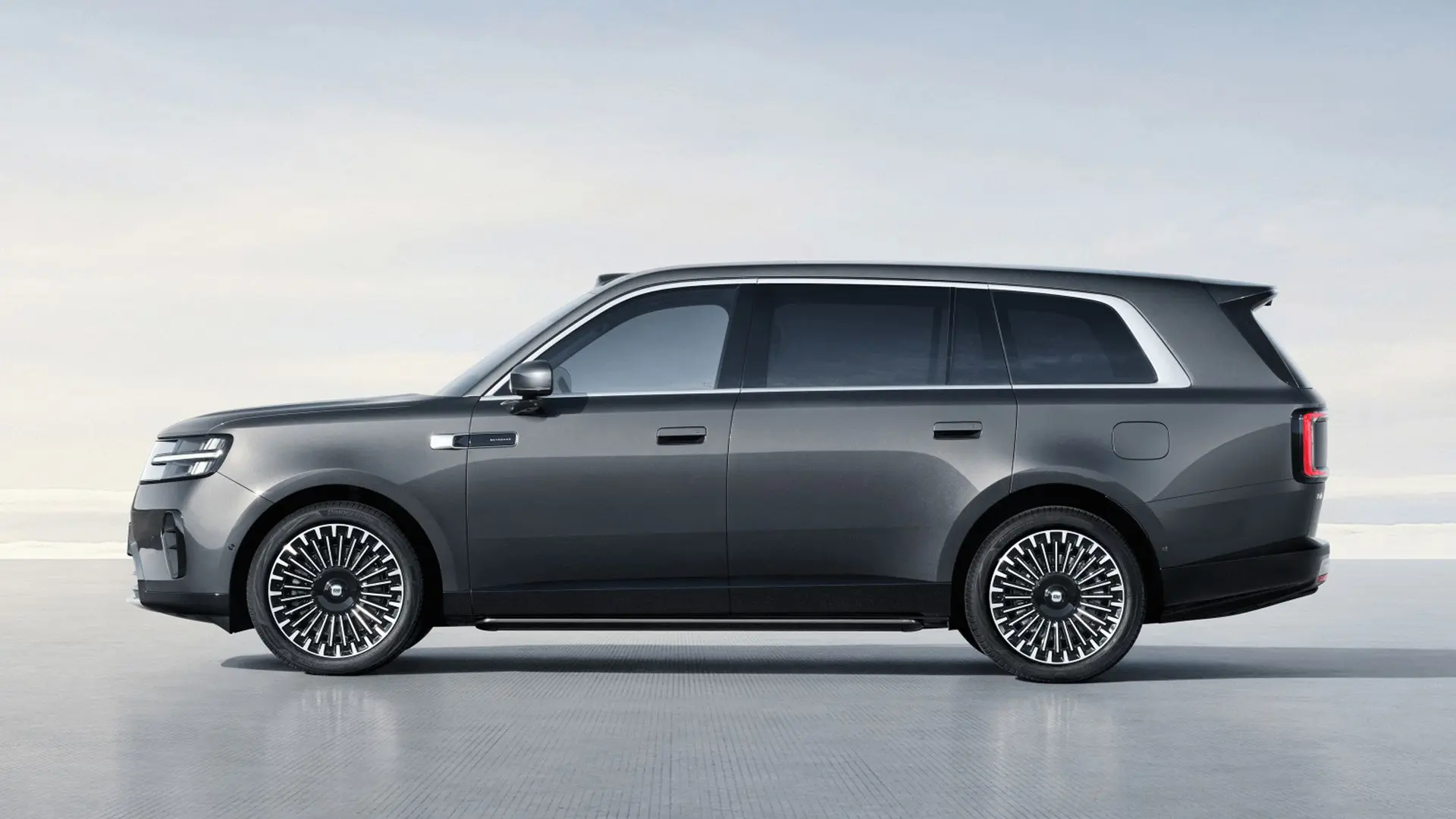
Xiaomi, the Chinese consumer electronics giant, has officially taken the wraps off its highly anticipated first range-extender SUV. The vehicle, which blends cutting-edge electric drivetrain technology with a design language inspired by private jets, marks a bold new chapter for the company’s ambitious automotive division. The reveal comes just months after Xiaomi delivered its first electric sedan, the SU7, and signals the company’s intent to capture a significant share of the global EV market.
Design: A Private Jet on Wheels
The most striking aspect of Xiaomi’s new SUV is its design. Drawing visual cues from private jet cabins and streamlined fuselages, the vehicle features a low, sweeping roofline, a wraparound windshield that merges seamlessly with the side windows, and a front fascia that resembles a jet intake. The interior is equally aviation-inspired, with a yoke-style steering wheel, a panoramic glass roof that mimics a cockpit canopy, and ambient lighting that shifts through colors reminiscent of sunrise and sunset at 30,000 feet. The design is not merely aesthetic; it also contributes to a drag coefficient of just 0.28 Cd, which is exceptional for an SUV and helps maximize electric range.
Range-Extender Powertrain
Under the skin, the SUV employs a range-extender architecture similar to that pioneered by Li Auto. It combines a large-capacity battery pack—reportedly around 150 kWh—with a small, efficient internal combustion engine that acts as a generator to recharge the battery on the go. This setup allows for a claimed all-electric range of over 800 kilometers (500 miles) under Chinese test cycles and a total combined range exceeding 1,400 kilometers (870 miles). The combustion engine is a 1.5-liter turbocharged four-cylinder unit optimized to run at its most efficient rpm when charging the battery. Xiaomi claims the system reduces fuel consumption to just 2.5 liters per 100 kilometers when the battery is depleted.
Performance and Specifications
The electric motors produce a combined output of 500 horsepower and 650 Nm of torque, enabling a 0-100 km/h (0-62 mph) sprint in 4.5 seconds. The SUV rides on an 800-volt architecture, supporting ultra-fast charging at rates up to 400 kW. Xiaomi says the battery can be charged from 10% to 80% in just 12 minutes when using a compatible charger. The vehicle also features Xiaomi’s proprietary HyperOS operating system, which integrates seamlessly with the company's ecosystem of smartphones, smart home devices, and wearables. This includes over-the-air updates, advanced driver-assistance systems with lidar and 11 cameras, and a 15.6-inch central touchscreen powered by a Qualcomm Snapdragon 8295 chip.
Market Context and Competition
Xiaomi’s entry into the range-extender SUV segment comes at a time when Chinese consumers are increasingly embracing extended-range electric vehicles (EREVs). Li Auto, the market leader in this segment, delivered over 376,000 vehicles in 2024 alone. Xiaomi aims to differentiate itself through its brand ecosystem, aggressive pricing, and premium design. The SUV is expected to be priced between ¥250,000 and ¥350,000 (approximately $34,500 to $48,300), undercutting the Li Auto L9 while offering comparable or superior range and features. The car will be built at Xiaomi's sprawling factory in Beijing, which has an annual capacity of 300,000 vehicles initially, with plans to expand to 500,000.
Xiaomi’s Broader Automotive Ambitions
The SUV is part of a larger plan by Xiaomi CEO Lei Jun, who has committed $10 billion to the automotive business over the next decade. The company has already branched out into electric two-wheelers with its Xiaomi Electric Scooter range and is reportedly working on a more affordable compact car for the mass market. The range-extender SUV is seen as a direct competitor to the Li Auto L8 and L9, as well as the AITO M7 from Huawei's automotive partners. Xiaomi is also developing its own autonomous driving technology, with Level 3 capabilities expected to be rolled out via OTA updates in late 2025.
Technology and Smart Features
HyperOS in the vehicle allows for deep integration with Xiaomi's vast ecosystem. For example, a user's smartphone can unlock the car, start the engine remotely, and sync navigation, music, and contacts. The SUV also features a parcel mode for package delivery, a smart parking system that can detect and reserve charging spots, and a voice assistant that understands natural language commands like “Find me a charging station with an available 400kW charger within 20 minutes.” The system supports dual-screen displays for front and rear passengers, a head-up display with augmented reality, and over 30 advanced driver-assistance features including remote parking and highway pilot.
Production Timeline and Pre-Orders
Xiaomi has started taking pre-orders with a fully refundable deposit of ¥5,000. Deliveries in China are expected to begin in the third quarter of this year. The company has already set up 200 experience stores in major Chinese cities, with plans to double that number by year-end. International expansion is on the horizon, with Europe and Southeast Asia being the top priorities. However, regulatory hurdles and the need to establish a service network may delay overseas sales until 2026.
Environmental and Economic Impact
The use of a range extender means the SUV can serve as a primary vehicle for families who need occasional long-distance capability without range anxiety, while still allowing for daily zero-emission commuting. Xiaomi claims the vehicle's lifecycle carbon footprint is 30% lower than a comparable gasoline-powered SUV, thanks to its efficient electric motor and the ability to charge from renewable sources. The company is also investing in battery recycling and second-life battery storage systems as part of its sustainability strategy.
From an economic perspective, the SUV is expected to generate significant revenue for Xiaomi, which has seen slowing growth in its smartphone and smart home businesses. The automotive sector offers higher margins and a pathway to becoming a dominant player in the mobility space. Analysts estimate that Xiaomi could sell 150,000 to 200,000 units of the SUV in its first full year of production, making it one of the best-selling premium EVs in China.
Industry experts have noted that Xiaomi's ability to leverage its existing supply chain, software expertise, and brand loyalty gives it a unique advantage over both traditional automakers and other tech companies entering the EV market. The range-extender SUV is just the first of several models planned; a smaller crossover and a luxury sedan are already in development. With its private-jet-inspired design and industry-leading range, Xiaomi is positioning itself as a serious contender in the global electric vehicle race.
Source: TechRadar News