

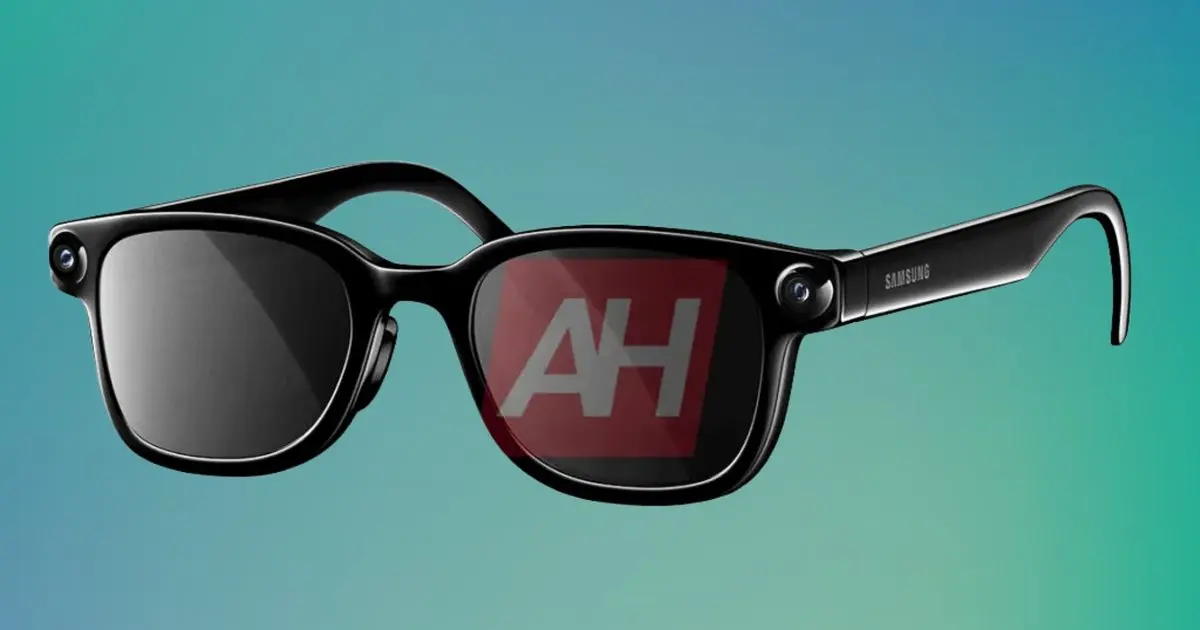
Samsung is preparing to unveil its highly anticipated Galaxy Glasses at the next Galaxy Unpacked event in London on July 22, according to reports from South Korean media. The wearable is expected to appear alongside the Galaxy Z Fold8, Galaxy Z Flip8, and Galaxy Watch9 series, positioning Samsung’s AI-powered smart glasses near the center of its summer launch slate. For users, this represents a significant shift: Galaxy AI could move from something you unlock or tap to something you wear, with voice commands, cameras, and Samsung’s connected-device network handling more of the heavy lifting.
The reported name is still tentative, and Samsung has yet to confirm pricing, release markets, or final specifications. However, leaked information and industry analysis suggest the product will adopt a voice-first, display-free design that prioritizes utility and comfort over full-fledged augmented reality. This approach aligns with Google’s Android XR platform and its integration with Gemini AI, which powers real-time analysis of the wearer’s surroundings.
Galaxy Glasses: A New Form Factor for Galaxy AI
Samsung has long been a dominant force in the smartphone market, but the company has also explored wearable form factors beyond smartwatches and fitness bands. With the Galaxy Glasses, Samsung is betting that users will embrace a hands-free AI assistant that sees and hears the world around them. Unlike previous attempts like the Galaxy Gear or even Google Glass, which relied on a display in the user’s field of view, the Galaxy Glasses are expected to forgo a built-in screen entirely. Instead, they will use a combination of cameras, microphones, and speakers to deliver information audibly.
This design choice makes the device lighter, simpler, and potentially more socially acceptable than earlier smart glasses. Without a screen, the glasses can more closely resemble traditional eyewear, blending into everyday fashion. Samsung has partnered with Gentle Monster, a South Korean eyewear brand known for its trendy and premium frames, to craft the design. This collaboration mirrors Meta’s partnership with Ray-Ban for its own smart glasses line, suggesting that aesthetics are as important as functionality in the mainstream adoption of wearables.
The decision to omit a display also reduces power consumption and manufacturing complexity. Battery life has historically been a pain point for smart glasses, as powering a screen alongside sensors and connectivity drains small batteries quickly. By relying on audio output and voice input, the Galaxy Glasses can potentially achieve all-day battery life, a crucial factor for everyday wear. Google has already demonstrated Android XR glasses handling tasks like navigation, messaging, calendar assistance, photography, and live translation using audio only. Samsung’s version is expected to leverage these capabilities, with Gemini analyzing what the wearer sees and returning answers through the built-in speakers.
How Galaxy Glasses Work: Voice-First, Display-Free
The core interaction model for Galaxy Glasses is voice-first. Users will likely activate the assistant by saying a wake word or tapping the frame, then ask questions or issue commands about their surroundings. The camera captures the visual context, the microphones capture audio commands, and the speakers provide responses. This creates an almost magical user experience: you look at a landmark, whisper "What is that?" and the glasses respond with historical facts. Or you glance at a coffee shop menu and ask which items are dairy-free, and the glasses highlight suitable options.
Privacy concerns inevitably accompany always-listening, always-seeing devices. Samsung is expected to include clear visual indicators when the camera is active—likely an LED light similar to those on smartphones. Recording controls might require a physical button press or a specific gesture to start video capture. The company has faced scrutiny in the past over data handling, so transparency will be critical. The July reveal should clarify how Samsung plans to address these issues, including any local processing of sensitive data to minimize reliance on cloud servers.
The software foundation is Android XR, an operating system Google developed specifically for extended reality devices. Android XR integrates seamlessly with Google’s services, including Maps, Photos, Calendar, and the Gemini AI model. This means Galaxy Glasses will likely support a variety of apps, though the number of XR-optimized apps is still small. Samsung’s own Good Lock utilities and SmartThings integration could further extend functionality, allowing users to control home appliances, check security camera feeds, or adjust thermostat settings using only their voice and a glance.
Samsung’s Ecosystem Advantage
Samsung’s greatest strength in this category is its vast ecosystem of connected devices. Galaxy Glasses is expected to work in concert with Samsung AI phones, the SmartThings platform, home appliances, and even future automotive features developed with Hyundai and Kia. The practical application is direct: you could look at a washing machine, ask the glasses how many minutes remain in the cycle, and receive an answer without pulling out your phone. Or you could glance at a grocery list on your refrigerator door and have the glasses add items to a shared shopping list in a family app.
This level of integration requires the connections to feel instant and reliable. Smart glasses cannot afford lag; users expect real-time responses. Samsung has invested heavily in low-latency connectivity between its devices through technologies like Quick Share and seamless multi-device experiences with Galaxy Buds, smartwatches, and now glasses. The compatibility with Hyundai and Kia vehicles, rumored to be part of a car-to-home feature, adds another layer of utility. Imagine parking your car and automatically syncing your schedule with the car’s navigation system through a simple query to the glasses.
The broader competitive landscape includes Meta’s Ray-Ban smart glasses, which recently opened up their display to third-party developers, and Sony’s wearable air conditioner (the Reon Pocket Pro Plus), which offers a different kind of convenience. Apple has long been rumored to be working on smart glasses but has yet to launch a product despite significant hype around the Apple Watch and AirPods. Google itself has dabbled with Google Glass Explorer editions, which were commercially unsuccessful but served as a proof of concept for enterprise applications. Samsung’s entry into the consumer smart glasses market could be the tipping point, especially if the pricing undercuts Apple Music and offers a more practical daily companion.
Market Context and Competition
The smart glasses market has seen renewed interest in the past two years, driven by improvements in AI, miniaturized sensors, and better connectivity. Meta’s partnership with Ray-Ban has already demonstrated that millions of consumers are willing to wear camera-equipped sunglasses for fashion and utility. Samsung’s Galaxy Glasses, however, aim to go further by offering a more integrated digital assistant experience. The question is whether consumers are ready to trust a wearable with constant visual and auditory access to their lives.
Privacy indicators, recording controls, and transparent data handling policies will be non-negotiable for mainstream adoption. Samsung has a history of addressing such concerns through features like Secure Folder and Knox security, which could extend to the glasses. Additionally, the company may offer an enterprise version with enhanced security for business use cases, similar to what Google did with Google Glass Enterprise Edition 2. The July event should provide clarity on these fronts.
Key Questions Ahead of the July Reveal
The July 22 Unpacked event should answer several critical questions that will determine the success of Galaxy Glasses. Price is likely to be around $300-$500, depending on frame styles and prescription lens options. Battery life is another unknown: voice-first glasses could last a full day if managed efficiently, but constant camera and voice processing could drain the battery within hours. Samsung may include a charging case similar to the one used for the Galaxy Buds, allowing on-the-go recharging.
Launch regions are also uncertain. Typically, Samsung debuts new wearables first in the United States, South Korea, and major European markets, with a gradual global rollout. Prescription support is essential for a large segment of potential buyers; Samsung is likely to offer custom lenses through Gentle Monster or allow users to replace lenses with their own prescription sets. Privacy features such as an LED camera indicator, physical mute switch for the microphone, and a dedicated privacy mode that disables camera and audio will be closely scrutinized.
Finally, Samsung must demonstrate that the glasses are comfortable for all-day wear. Weight distribution, nose pad design, and temple thickness will affect long-term comfort. If the glasses are too heavy or pinch, users will abandon them. The Gentle Monster collaboration suggests that style and comfort are priorities, but final judgments will only be possible after hands-on testing. The July Unpacked event is shaping up to be a pivotal moment for wearable AI, and all eyes are on Samsung to deliver a product that feels useful rather than unfinished.
Source: Digital Trends News