

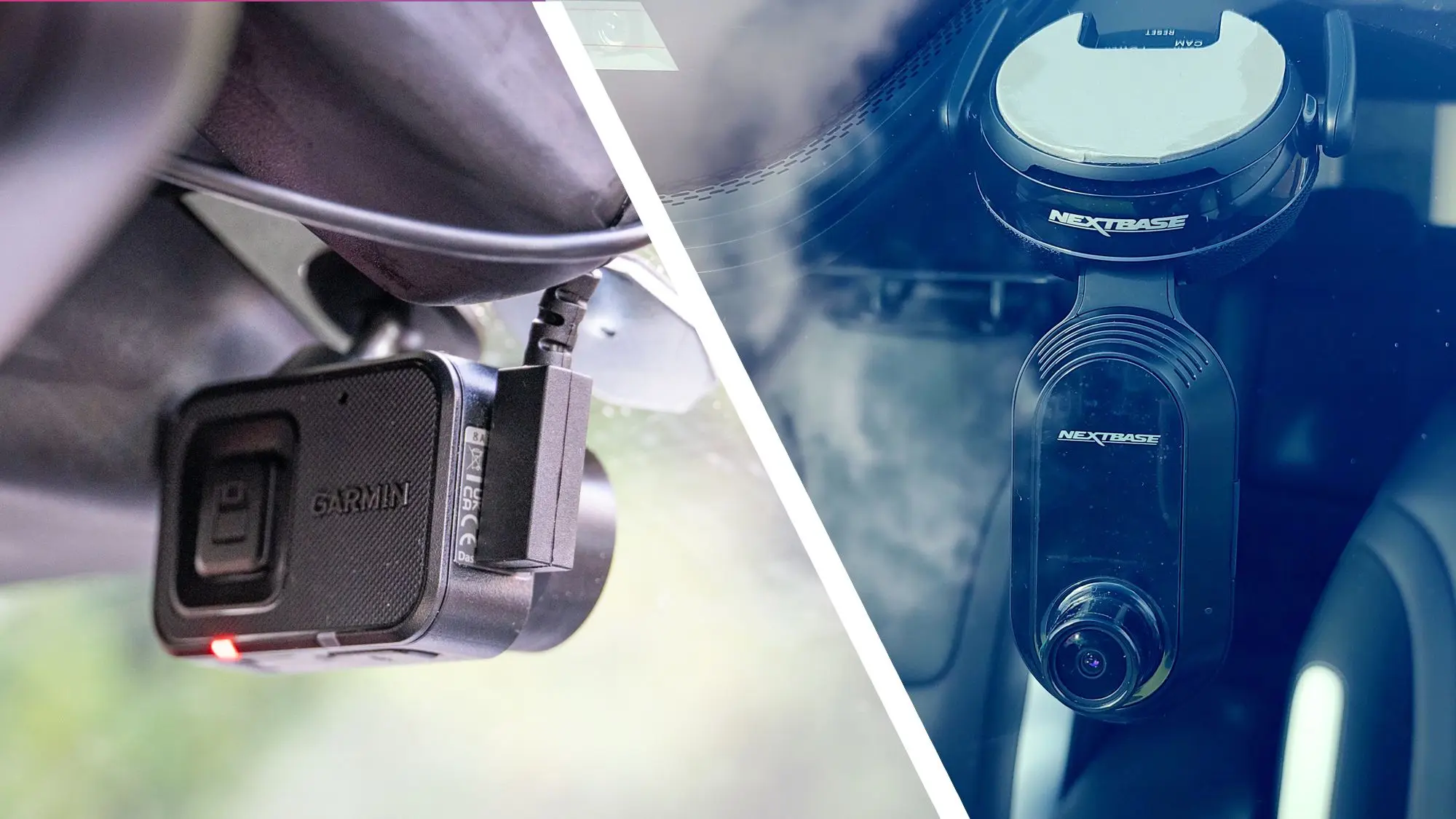
Dash cams have become an essential accessory for modern drivers. They provide crucial evidence in the event of an accident, deter theft and vandalism, and can even capture unexpected moments on the road. With the market flooded with options from dozens of manufacturers, choosing the right dash cam can be overwhelming. In this comprehensive guide, we break down the top models we've tested, covering everything from video quality and build to smart features and price.
We spent weeks evaluating the latest dash cams from Garmin, Nextbase, 70mai, and other key players. Each camera was tested in real-world driving conditions—day and night, in rain and sunshine, on highways and city streets. Our evaluation focused on video clarity, ease of use, reliability, and extra features like parking mode, GPS, and driver alerts. Below are our top recommendations for every type of driver.
What Makes a Great Dash Cam?
Before diving into specific models, it's important to understand the key features that separate a good dash cam from a great one. The most critical factor is video resolution. While 1080p (Full HD) is still common, 1440p (QHD) and 4K (Ultra HD) are becoming the standard for premium dash cams. Higher resolution means clearer license plates and road signs, especially when you need to zoom in later.
Field of view is another important consideration. A wide-angle lens (120–170 degrees) captures more of the road ahead and the sides, reducing blind spots. However, an overly wide lens can introduce fisheye distortion. The ideal balance is around 140–150 degrees.
Night vision is a must for 24/7 protection. Look for cameras with a large aperture (f/1.6 or lower) and advanced HDR or WDR (wide dynamic range) technology. These features help record clear footage in low-light conditions.
Storage and loop recording are equally important. Most dash cams use microSD cards and automatically overwrite the oldest files when the card is full. A high endurance card (e.g., 64GB or 128GB) is recommended to ensure reliability under constant read/write cycles.
Finally, consider smart features. Many modern dash cams include built-in GPS to log speed and location, Wi-Fi or Bluetooth for easy file transfer to your phone, and driver assistance systems like lane departure warnings and forward collision alerts. Parking mode automatically activates when the car is parked, providing surveillance even when you're away.
Top Dash Cams for 2025
1. Garmin Dash Cam 67W
Garmin’s 67W is a compact yet powerful dash cam that offers 1440p resolution at 60 frames per second. Its wide 180-degree lens captures an expansive view of the road. During our tests, the 67W delivered exceptionally clear footage, even at night, thanks to its high-quality sensor and HDR processing.
The built-in GPS records your location, speed, and direction, which you can view on Garmin Drive's mobile app. The camera also includes helpful driver alerts for red light cameras, sharp curves, and speed changes. Although it lacks a rear camera, the 67W is an excellent front-facing choice for drivers who want reliability and sharp video.
One minor drawback is the 64GB internal storage limit (no microSD slot). However, for most users this is sufficient for a couple of days of driving. The Garmin 67W is ideal for those who value simplicity and top video quality.
2. Nextbase 622GW
Nextbase is a leading name in the dash cam industry, and the 622GW is their flagship model. It records in true 4K at 30fps, with the option to drop to 1440p at 60fps for smoother motion. The image quality is stunning—license plates are readable even from a distance. Its polarising filter reduces windscreen glare, a thoughtful touch.
The 622GW features a rear camera add-on (sold separately) that connects via a magnetic mount. It also includes Bluetooth, GPS, and Emergency SOS capabilities that can alert emergency services if a crash is detected. The integrated Touchscreen makes navigating menus easy.
We were impressed by the "Intelligent Parking Mode" that uses a motion sensor and accelerometer to record events only when needed, saving battery and storage. Build quality is premium, and the suction cup mount is rock-solid. The Nextbase 622GW is the gold standard for those willing to invest in the best possible video evidence.
3. 70mai Pro Plus+ A500S
70mai, a sub-brand of Xiaomi, has gained popularity for offering excellent value. The A500S records in 2K (2560x1440p) with a Sony IMX335 sensor, providing sharp and well-balanced footage day and night. Its 140-degree field of view is sufficient for most drivers, and the camera is discreet enough to fit behind the rearview mirror.
The A500S supports both front and rear cameras (the rear is an optional add-on). It has built-in Wi-Fi for connecting to the 70mai app, which is user-friendly and allows you to download clips directly to your phone. GPS is not included but can be added with an external module. The camera also features a "Smart Parking Monitor" that uses time-lapse recording to keep an eye on your car while parked.
Battery life is average, but the supercapacitor design makes it more heat-resistant than traditional lithium-ion batteries. For a budget-friendly yet feature-rich dash cam, the 70mai A500S is hard to beat.
4. Viofo A129 Pro Duo
For drivers who want the absolute best video quality on a budget, the Viofo A129 Pro Duo is a standout. It records front and rear in 4K (front) and 1080p (rear) simultaneously. The front camera uses a Sony IMX317 sensor and delivers incredible detail, especially in daylight. Night performance is also very good thanks to the f/1.8 aperture.
This model lacks built-in GPS and Wi-Fi (available in the Plus version), but it makes up for it with robust features like parking mode, G-sensor, and loop recording. It uses a standard microSD card and a CPL filter can be added to cut glare. The build quality is solid, though the design is more utilitarian compared to Garmin or Nextbase.
Installation is straightforward, and the camera is very stable even on rough roads. The A129 Pro Duo is an excellent choice for tech-savvy drivers who prioritise video clarity and dual-channel recording without spending a fortune.
5. Thinkware U1000
Thinkware is another premium brand, and the U1000 is their top-tier 4K dash cam. It records front at 4K 30fps and rear at 1080p, with a super wide 150-degree view. The video quality is among the best we've seen—colours are natural, details are crisp, and night vision is superb thanks to advanced Wide Dynamic Range.
The U1000 includes a built-in GPS, 4G LTE optional module, and cloud connectivity. With the cloud service, you can view live footage of your car from anywhere, receive theft alerts, and check parking incidents remotely. It also features advanced driver assistance (ADAS) like lane departure and forward collision warnings that are genuinely useful.
One unique feature is the "Energy Saving Parking Mode" that records for up to 30 days with the optional external battery pack. The Thinkware U1000 is a premium product aimed at those who want the ultimate in security and connectivity.
6. Garmin Dash Cam Tandem
If you want a single-camera solution that captures both the road ahead and the cabin, the Garmin Tandem is unique. It has two lenses: one for the front (1440p) and one for the interior (720p). This makes it ideal for rideshare drivers, parents monitoring teen drivers, or anyone who wants to record both sides of an incident.
The Tandem automatically adjusts exposure for each lens and includes night vision for the interior. It also features Garmin’s helpful driver alerts and comes with a 32GB internal memory. The companion app allows you to view both streams simultaneously. While the cabin quality could be better, the overall package is excellent for its specific use case.
How to Choose the Right Dash Cam for You
Selecting a dash cam depends on your priorities. If budget is your main concern, the 70mai A500S offers excellent 2K quality and dual camera support at a low price. If you want the best video evidence for insurance claims, nextbase or Thinkware models provide 4K and advanced features like GPS and cloud connectivity. For a discreet, simple, and reliable front camera, the Garmin 67W is a top pick.
Consider whether you need a rear camera. A dual-channel system (front and rear) provides complete coverage, especially useful if you're often parked in public places. Many models sell rear cameras separately, so check compatibility. Also, think about installation: some cameras are plug-and-play (cigarette lighter), while others may require hardwiring for parking mode. hardwiring is more professional but may void your warranty if done incorrectly.
Storage capacity is also important. Most dash cams support up to 128GB or 256GB microSD cards. A larger card means you can store more footage before overwriting. Use high endurance cards rated for continuous recording to prevent failures.
Finally, consider the user interface. A large touchscreen (like nextbase's) makes settings adjustments easy, while a smartphone app (common with 70mai) can be more convenient for transferring files. Some users prefer physical buttons for simple operation. Our advice is to read multiple user reviews and watch sample videos before making a decision.
Installation and Maintenance Tips
Proper installation ensures your dash cam works reliably. Mount the camera behind the rearview mirror to avoid obstructing your view. Route the power cable along the headliner, down the A-pillar, and under the dashboard. Many kits include a trim tool to tuck the cable neatly. If you're not comfortable DIY, most car audio shops offer installation for a small fee.
Regularly check your microSD card for errors. Format it every month to maintain performance. Also, clean the lens periodically with a microfiber cloth. Dash cams are exposed to temperature extremes, so choose a model with a capacitor rather than a battery if you live in a hot climate—capacitors last longer and are safer.
Firmware updates are released periodically by manufacturers to improve stability and add features. Check the manufacturer's website or app every few months to keep your camera up to date. Finally, consider a separate hardwiring kit for parking mode if your camera supports it, as this will prevent your car's battery from draining.
Source: TechRadar News