

Taiwan Semiconductor Manufacturing Co. (TSMC), the world's leading contract chipmaker, is riding a wave of record profits fueled by surging demand for advanced chips used in artificial intelligence (AI) applications. However, its unprecedented growth is also exacerbating an already fragile energy landscape in Taiwan, prompting the company to become a major driver of offshore wind power development on the island.
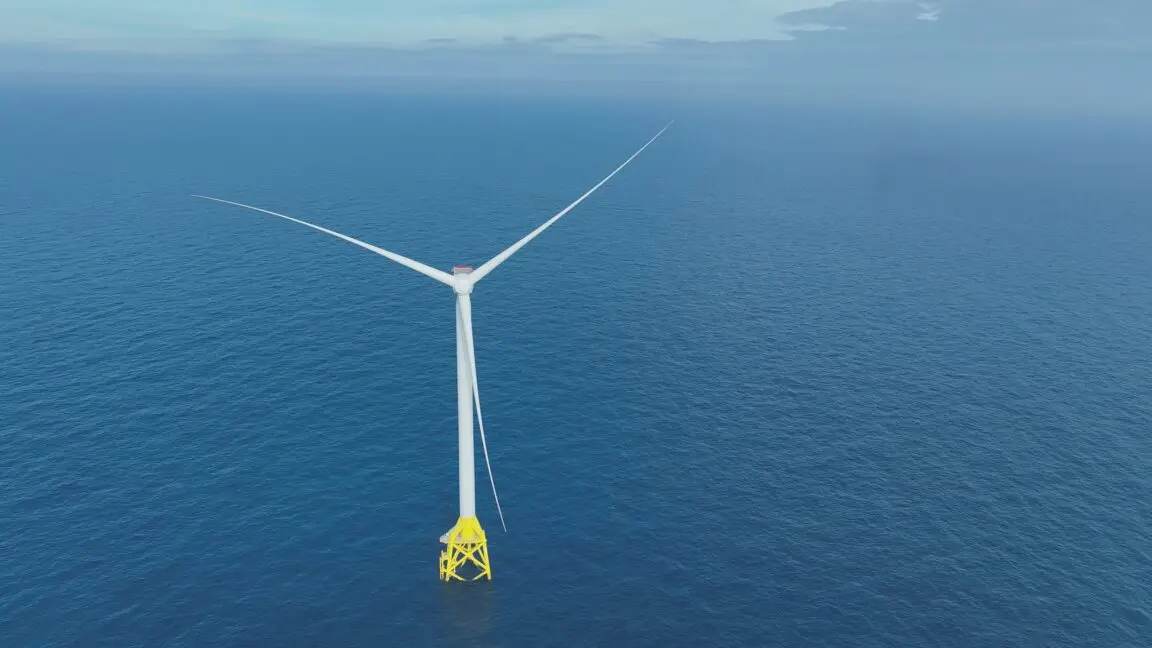
In late April, TSMC announced a 30-year corporate power purchase agreement (PPA) with Northland Power, a Canadian renewable energy developer, for 100% of the electricity generated by the Hai Long offshore wind project. This project, located off the western coast of central Taiwan in the Taiwan Strait, comprises three wind farm sites with a combined capacity exceeding 1 gigawatt — enough to power more than 1 million Taiwanese households. The wind farms began feeding power into Taiwan's national grid in early 2025 and are scheduled to reach full commercial operation by 2027.
The deal is the largest single corporate PPA for offshore wind in Asia and reflects TSMC's accelerating efforts to secure clean energy for its sprawling fabrication plants, which are among the most electricity-intensive facilities on the planet. The company's energy needs already accounted for nearly 10% of Taiwan's total electricity consumption in 2023, according to the International Energy Agency (IEA). That share could balloon to roughly one-quarter of the island's overall power use by 2030 as TSMC invests in even more energy-intensive manufacturing processes, such as 3-nanometer and upcoming 2-nanometer chip production, to meet global AI demand.
The Energy Crunch Behind the Shift
TSMC's pivot to wind power comes amid a severe energy crunch that has rattled Taiwan in recent months. In March 2026, Iran launched drone strikes that damaged Qatar's natural gas production facilities, leading the Gulf state to shut down its liquefied natural gas (LNG) exports. Qatar had been a major supplier of LNG to Taiwan, providing roughly one-third of the island's usual supply. Because Taiwan relies on natural gas for about 50% of its electricity generation and typically holds only a two-week reserve of fuel, the disruption triggered an immediate crisis.
According to Bloomberg, Taiwan's power grid lost one-third of its LNG supply overnight, forcing the government to scramble for alternative sources. Reports from Reuters indicate that Taiwan's administration managed to stave off blackouts by quickly securing LNG cargoes from Australia, the United States, and other suppliers. During an energy forum on May 6, Taiwan's vice minister of economic affairs stated that the government had secured enough oil and gas to operate normally through August and possibly September, though the medium-term outlook remains uncertain.
The crisis has spurred Taiwanese President Lai Ching-te's administration to accelerate efforts to diversify the island's energy mix. Taiwan imports nearly 97% of its overall energy needs, including electricity, transportation, and heating, according to the Global Taiwan Institute, a Washington, D.C.-based think tank. The government is now pushing ahead with a plan to develop 15 gigawatts of offshore wind capacity by 2035, while also considering the restart of shuttered nuclear power plants.
TSMC's Renewable Energy Strategy
TSMC has set ambitious renewable energy targets: it aims to source 60% of its global operations' electricity from renewables by 2030 and 100% by 2040. The Hai Long PPA is a cornerstone of that strategy, but it is not the company's first foray into offshore wind. In 2020, TSMC signed a PPA with the Danish renewable energy giant Ørsted for 920 megawatts of power from the Greater Changhua offshore wind farm project, which is expected to become fully operational later in 2026. A year later, TSMC struck a deal with German developer WPD to develop more than 1 gigawatt of onshore and offshore wind power.
These agreements are critical not only for TSMC's sustainability goals but also for its license to operate in a country where energy availability directly impacts chip production. The chipmaker's fabs run 24/7, and even a brief power disruption can cause millions of dollars in losses. In 2021, a power outage caused by a transformer failure at a TSMC facility reportedly cost the company hundreds of millions of dollars in lost revenue. By securing long-term renewable energy contracts, TSMC is hedging against future price volatility and supply disruptions.
The AI boom has only intensified the pressure. TSMC's advanced chip manufacturing processes, particularly those used for AI accelerators like NVIDIA's H100 and upcoming B200, consume significantly more power per wafer than older nodes. According to S&P Global estimates cited by Data Center Dynamics, TSMC's share of Taiwan's total electricity usage could rise from 10% in 2023 to nearly 25% by 2030. This growth trajectory has made the company a de facto partner in Taiwan's energy transition.
Geopolitical and Environmental Context
Taiwan's energy vulnerability is compounded by its geopolitical situation. As an island with limited domestic fossil fuel resources, it relies heavily on imports via sea lanes that pass through the contested South China Sea and the Strait of Hormuz. The Qatar incident highlighted how quickly external shocks can cripple the grid. Even before the drone strikes, Taiwan's energy authorities had warned about the risks of over-reliance on a single supplier.
Offshore wind offers a path toward greater energy independence. The Taiwan Strait has some of the best wind resources in the world, with consistent strong winds driven by the northeast monsoon. The government has already awarded multiple offshore wind zones through a series of competitive auctions. By 2035, Taiwan aims to have 15 gigawatts of offshore wind capacity installed, which could supply roughly 20% of the island's electricity at peak generation.
TSMC's involvement has been a catalyst for the industry. The company's long-term PPAs provide developers like Northland Power and Ørsted with the revenue certainty needed to finance multi-billion-dollar projects. In turn, these projects create jobs and supply chain opportunities in Taiwan, helping to build a domestic renewable energy ecosystem.
Environmental groups have generally welcomed TSMC's renewable energy commitments, but some have raised concerns about the impact of offshore wind farms on marine ecosystems and local fisheries. The Hai Long project underwent extensive environmental impact assessments, and developers have pledged to implement mitigation measures, such as noise-reduction technologies during pile driving and monitoring of migratory bird routes.
Looking Ahead
As TSMC continues to expand its fabrication capacity, including new facilities in Taiwan, Japan, and the United States, its energy demands will only grow. The company has also begun exploring other renewable sources, such as solar and geothermal, but offshore wind remains the most scalable option given Taiwan's geography. With the Hai Long PPA and earlier agreements, TSMC has now secured more than 3 gigawatts of wind power capacity, a significant step toward its 2030 and 2040 targets.
For Taiwan, TSMC's energy strategy is more than a corporate initiative — it is a test of whether the island can balance economic growth with energy security and environmental sustainability. The AI boom shows no signs of slowing, and as the world's largest contract chipmaker, TSMC's decisions will reverberate far beyond Taiwan's shores.
Source: Ars Technica News