

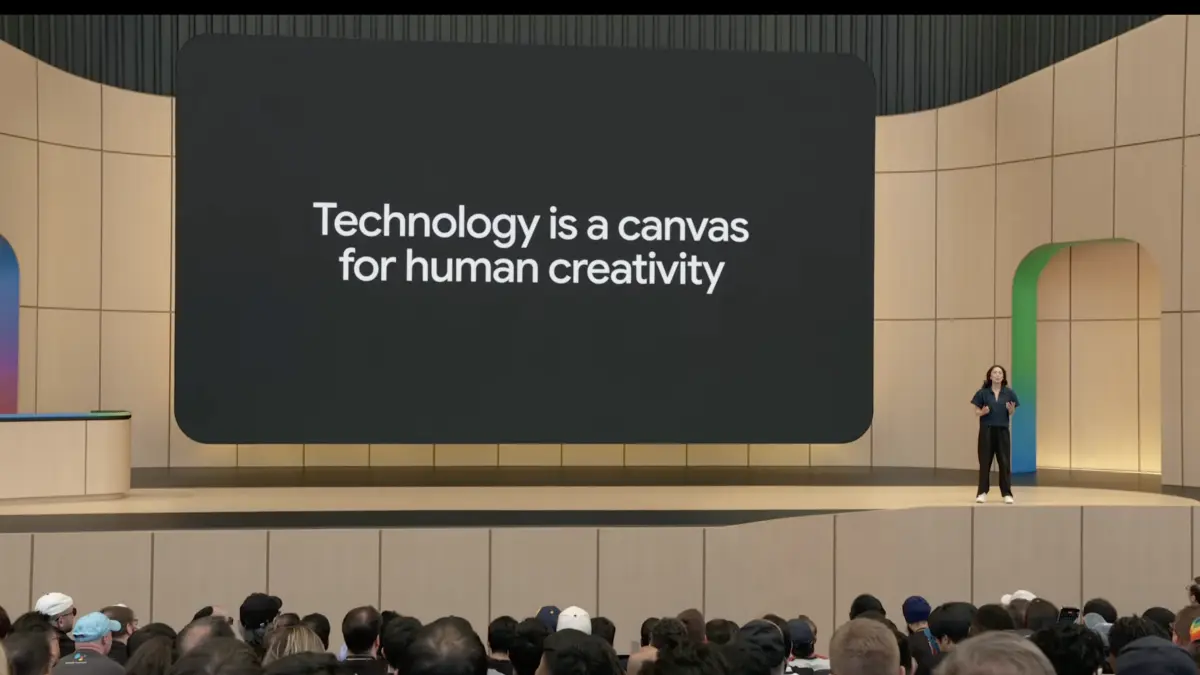
At Google I/O 2025, the company's annual developer conference, the search giant showcased its deep commitment to artificial intelligence across its product ecosystem. Among dozens of AI model updates and multimodal generation tools, Google unveiled two notable enhancements for YouTube, the world's most-watched video platform. These updates—Gemini Omni integration for YouTube Shorts and the new Ask YouTube search feature—aim to transform how creators produce content and how users discover videos.
The conference, opened by Google CEO Sundar Pichai, revolved around what he called tokenmaxxing—a playful term referring to the quadrillions of AI processing operations happening globally. This year's I/O made clear that AI is no longer a side experiment but a core pillar of Google's strategy. For YouTube, that means new tools that leverage the company's most advanced generative AI models.
YouTube Shorts Gets Gemini Omni
One of the most anticipated reveals was the introduction of Gemini Omni, Google's new multimodal AI world model. Unlike previous models that process text, images, or audio separately, Gemini Omni is bidirectional and can generate any output from any input. This capability allows the AI to understand and create content in ways that were previously impossible.
Starting immediately, YouTube Shorts creators can access Gemini Omni through the Remix feature. Remix is a platform tool that lets users create new Shorts from existing online content. With Omni, creators can enter more complex and nuanced AI prompts to generate video clips. For example, a user could prompt, Take the background from this travel video and add a voiceover describing the culture, or Remix this cooking tutorial into a fast-paced highlight reel with upbeat music. The AI responds by analyzing the source material, understanding the request, and producing a coherent new video.
To ensure transparency, any Shorts created using Gemini Omni will automatically carry an AI-generated content label along with relevant metadata. This label links back to the original content used in the remix, providing credit and context. This move aligns with YouTube's ongoing efforts to combat misinformation and ensure viewers know when content is synthetic or heavily altered.
In addition to the creative capabilities, YouTube is expanding its likeness detection feature. Originally launched for a limited audience, this tool helps creators find videos where their face appears to have been altered or generated by AI. Starting today, the feature is available to all creators aged 18 and older. This is a crucial step in protecting creators from unauthorized deepfakes or impersonation, a growing concern in the age of generative AI.
The integration of Gemini Omni into Shorts represents a significant leap forward for the platform. Shorts, which competes with TikTok and Instagram Reels, has been investing heavily in AI-driven tools to differentiate itself. With Omni, YouTube aims to reduce the barrier to high-quality content creation, allowing even casual users to produce professional-looking videos with minimal effort.
Ask YouTube: A New Way to Search
Google's second YouTube-related announcement does not take place on the platform itself, but rather within Google Search. The new feature, called Ask YouTube, integrates video results directly into the standard Google Search experience in a conversational, interactive format.
Traditional search results often list text-based snippets or separate video tabs. Ask YouTube changes this by embedding relevant YouTube videos directly into the search result page when a user queries complex or tutorial-style questions. For instance, if a parent searches How to teach a child to ride a bike, Google's AI Mode will generate a tailored response that includes step-by-step instructions pulled from YouTube videos. The response is interactive: users can watch a short clip, jump to a specific timestamp, or browse related tutorials without leaving the search page.
This feature relies on Google's advanced AI language models to understand the user's intent and match it with the most appropriate video content. It goes beyond simple keyword matching, analyzing video transcripts, titles, descriptions, and user engagement signals to provide precise answers. Google describes Ask YouTube as a way to entirely reimagine the search experience by blending traditional web results with rich video content.
Ask YouTube is currently in testing and will roll out across the United States during the summer of 2025. Initially, it will support English-language searches, with plans to expand to other languages later. The feature is expected to be particularly useful for how-to content, DIY projects, cooking recipes, academic topics, and product reviews—any query where visual demonstration adds significant value.
For YouTube creators, Ask YouTube could dramatically increase visibility. Videos that are optimized for search and contain clear, instructional content may appear directly in Google Search results, driving substantial traffic. This integration also benefits viewers, who no longer need to toggle between tabs or sift through text-heavy explanations when a video would be more effective.
Implications for Creators and Viewers
Both updates underscore Google's strategy to embed AI deeply into the user experience while also addressing concerns about authenticity and creator rights. The Gemini Omni integration empowers creators to experiment with new forms of expression, but it also raises questions about originality and copyright. By automatically labeling AI-generated content and linking back to sources, YouTube attempts to balance creative freedom with attribution.
The expansion of likeness detection is a direct response to the rise of deepfakes and unauthorized AI avatars. As generative AI becomes more accessible, the risk of misuse grows. By giving all adult creators the ability to monitor their facial likeness across the platform, YouTube is taking a proactive stance. This tool uses Google's advanced facial recognition and AI matching to scan uploaded videos and notify creators when a match is found. Creators can then decide whether to take action, such as requesting removal or contacting the uploader.
Ask YouTube represents a paradigm shift in how users interact with search engines. Traditional search results are static, often requiring multiple clicks to find the right video. Ask YouTube's conversational interface can ask follow-up questions or clarify details, making the search process more natural and efficient. For Google, this deepens the integration between its search engine and YouTube, two of its most valuable properties, potentially keeping users within the Google ecosystem for longer periods.
From a business perspective, these updates also strengthen YouTube's position against competitors. TikTok has been rapidly expanding its search and discovery features, while Instagram is investing in AI-driven editing tools. By offering Gemini Omni and Ask YouTube, Google is leveraging its unmatched AI infrastructure to give YouTube a unique edge. The combination of powerful creation tools and intelligent discovery could attract both creators and advertisers looking for higher engagement.
Technical and Ethical Considerations
Behind the scenes, Gemini Omni relies on massive neural networks trained on diverse datasets. It can process text, images, audio, and video simultaneously, enabling a level of context awareness that earlier models lacked. For YouTube, this means the AI can understand not just the content of a video, but also its tone, pacing, and visual style. This allows for remixing that feels coherent rather than disjointed.
However, the power of such models also necessitates robust safeguards. Google has implemented several guardrails. AI-generated Shorts will include invisible watermarks detectable by automated systems, making it easier to track misuse. Additionally, the labeling system ensures that viewers are never misled about the origin of the content. Google has also committed to regular auditing of the model's outputs to prevent biased or harmful content.
Similarly, the likeness detection feature raises privacy considerations. While aimed at protecting creators, the system requires scanning videos for faces. Google assures that the data is handled according to its strict privacy policies, with creators only receiving notifications about matches and not having their own likeness data stored beyond the detection process. Users can opt out of the scanning if they wish.
Looking Ahead
Both features are expected to evolve over time. Gemini Omni for Shorts will likely receive new capabilities as Google improves its model. Future updates could include the ability to remix longer videos, integrate real-time user input, or collaborate with multiple creators using AI. Ask YouTube may eventually expand to support live streams, podcasts, and other YouTube content formats.
For now, the announcements highlight how deeply AI is reshaping online video. YouTube is no longer just a platform for passive viewing; it is becoming a space where AI acts as a co-creator and intelligent guide. As these tools roll out to millions of users later this year, the way people create and discover video content will fundamentally change.
Source: Mashable News