

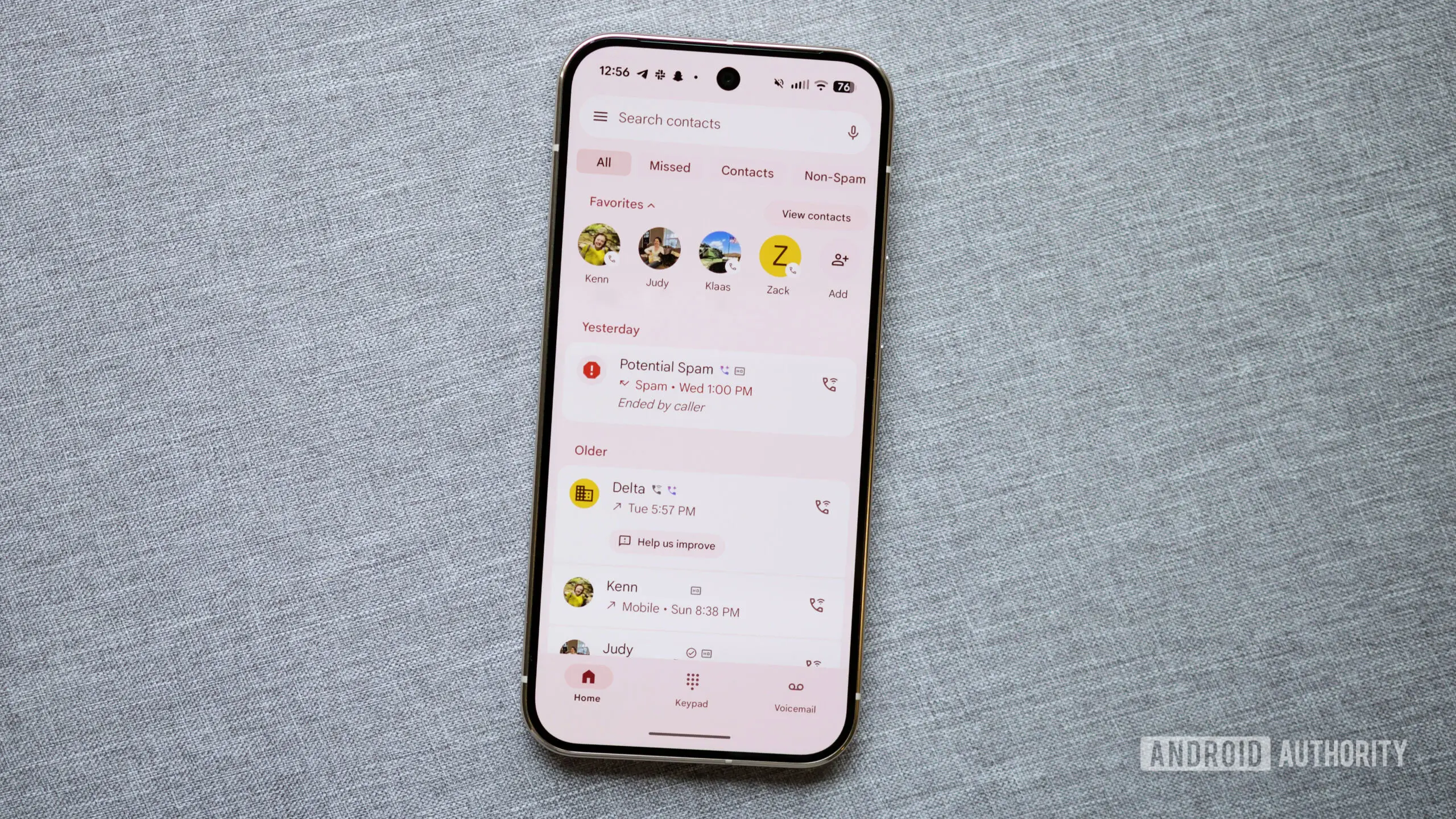
Google has officially announced a long-anticipated feature that brings Android's native dialer closer to the seamless experience of iPhone's CallKit. Starting with Android 16.1, third-party VoIP apps like WhatsApp, Telegram, and other internet calling services will be able to display their call history directly in the system's phone app, such as Phone by Google. This integration allows users to view missed or received internet calls alongside regular cellular calls and return them without first opening the original app.
Key Facts About the Update
- Who benefits: Android users running Android 16.1 and above on devices with compatible dialer apps (e.g., Pixel 9 series).
- What changes: VoIP call logs from apps like WhatsApp appear in the native call history; users can tap to return calls directly from the phone app.
- How it works: Apps register calls with Android's telecom framework, enabling integration with the system call log.
- Privacy option: VoIP apps can hide specific internet calls from the system log, a feature introduced in Android 16 QPR2.
- Activation: Developers must adopt new APIs for the feature to function; rollout will be gradual.
- Testing: The feature was spotted in a Canary build on a Pixel 9, showing a "Calling Accounts" page in Phone by Google settings for toggling per-app approval.
Background and Significance
For years, Android has lagged behind iOS in unifying communication channels. Apple's CallKit framework, introduced in iOS 10, allowed VoIP apps to integrate with the native Phone app seamlessly. Users could see WhatsApp or Skype calls in the same call log and even receive them with the same interface. Android, meanwhile, relied on apps to maintain their own call history, forcing users to switch between apps to check missed calls or return them. This fragmentation has been a common complaint among users who rely heavily on internet calling for personal and professional communication.
Google's new system addresses this by allowing VoIP apps to register their calls with Android's telecom framework. When a call is registered, it appears in the device's main call log alongside standard cellular entries. Tapping the callback button triggers an intent that routes the user back into the correct app to place the internet call. This mirrors the iPhone experience but with Android's characteristic flexibility—users can enable or disable the feature per app via the settings page within Phone by Google.
Technical Implementation and Developer Adoption
The integration relies on APIs that were first hinted at in developer previews in 2024. A user discovered test code in the Phone by Google app that year, indicating Google was exploring third-party call log integration. In October 2025, Android 16 QPR2 introduced additional APIs allowing VoIP apps to hide specific calls from the system call log. This privacy feature is particularly useful for users who want to keep certain internet calls—such as those from lesser-known apps or sensitive contacts—off the main log.
However, as with many Android features, the success of this rollout depends on developer adoption. WhatsApp, Telegram, and other major messaging platforms need to implement the new APIs before users see any changes. Google has officially confirmed that the APIs are now stable and ready for production use, encouraging developers to update their apps. Historically, such adoptions can take weeks or months, but given the high demand from users, major players are expected to move quickly.
Impact on User Experience
The feature promises to streamline call management significantly. For example, a user who misses a WhatsApp call from a colleague no longer needs to open WhatsApp, navigate to the Calls tab, and tap to return it. Instead, they can open the Phone app, see the missed call listed alongside their cellular calls, and tap the redial button—Android will automatically open WhatsApp and place the call. This reduces friction and saves time, especially for users who receive many internet calls daily.
Additionally, the privacy controls allow granular management. Users can choose to display call logs from all registered apps or selectively disable certain apps. The "Calling Accounts" page in Phone by Google settings, as observed in Canary builds, provides a clear on/off toggle for each app. This ensures that users maintain control over their call history visibility.
Beyond WhatsApp and Telegram, other VoIP apps like Signal, Skype, and Google Voice could also adopt the feature. Even business communication tools like Slack or Zoom might integrate their call history, blurring the line between traditional telephony and internet-based communication. Over time, this could reduce the need for users to check multiple apps for missed calls, making the phone app a centralized hub for all voice communication.
Historical Context: Android's Lagging Integration
The absence of a universal call log for VoIP services has been a notable gap in Android's ecosystem. While various manufacturers, such as Samsung, have added their own enhancements to the dialer, the core Android framework lacked this capability. Google's move brings parity with iOS and aligns with the growing trend of internet calling replacing traditional voice calls. According to industry data, VoIP usage has surged over 40% in the last five years, driven by remote work and global connectivity. Features like this are no longer optional but expected by modern users.
Google's phased approach—first with privacy controls in QPR2 and now with full integration—shows a careful rollout strategy. The company likely wanted to ensure the APIs were robust and that privacy concerns were addressed before encouraging widespread adoption. By allowing apps to hide specific calls, Google preempts potential user backlash about sensitive call data being exposed in the system log.
In conclusion, this update represents a meaningful step toward unifying Android's communication tools. Users running Android 16.1 and above will soon experience a more integrated dialer, reducing the cognitive load of juggling multiple apps for calls. Developers are encouraged to adopt the new APIs, and given the competitive landscape, it is only a matter of time before major VoIP services support the feature. As the rollout progresses, the line between traditional and internet calling will continue to blur, making Android's communication experience smarter and more cohesive.
Source: Android Authority News