
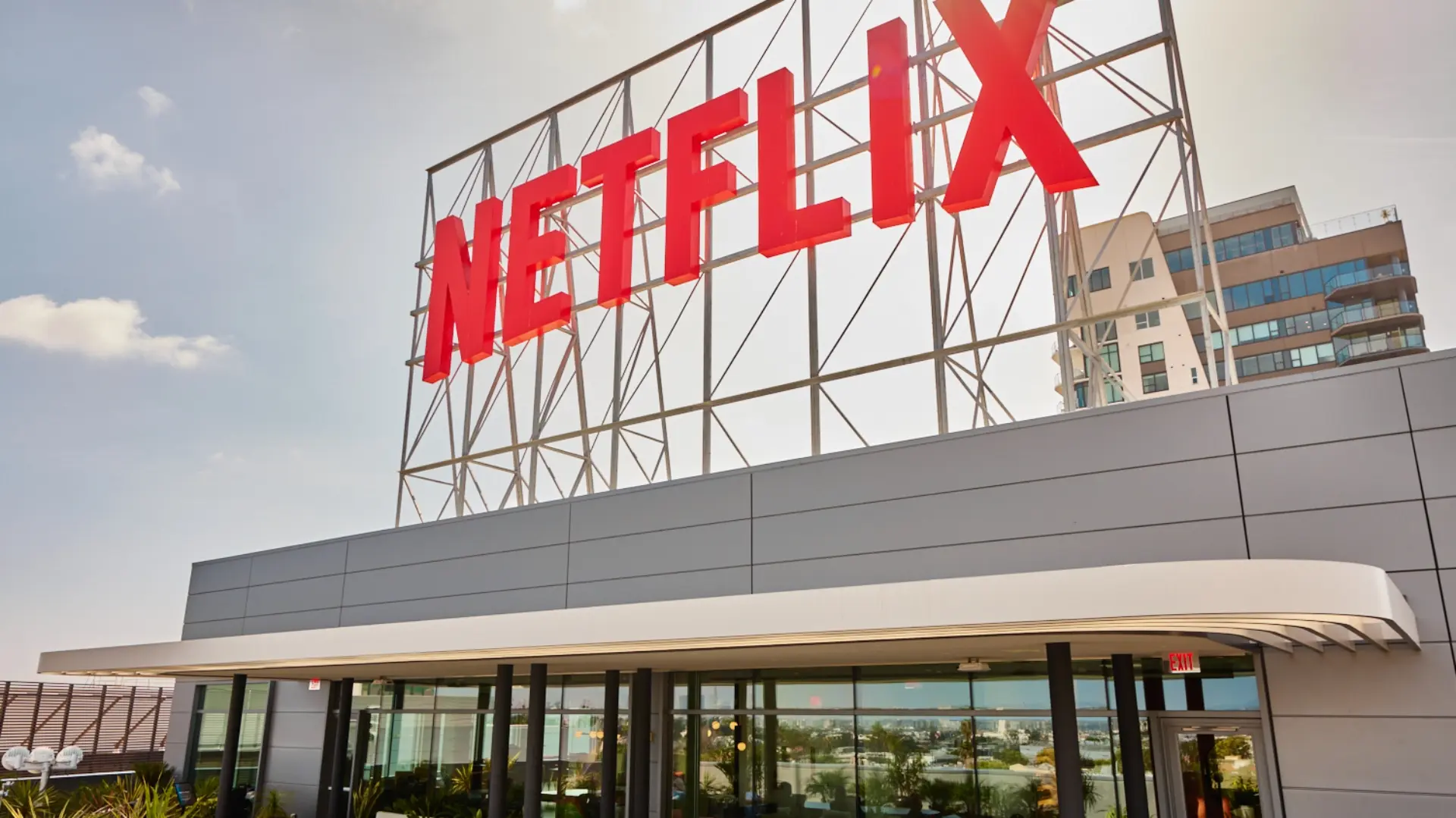
Netflix is no stranger to generative artificial intelligence. For years, the streaming giant has quietly integrated AI into its platform to power features like natural language search, personalized recommendations, and content tagging. However, the company now appears ready to take a more visible—and potentially controversial—step into the world of AI-generated content. According to recent reports, Netflix is building an internal studio called INKubator, also known simply as INK, specifically designed to produce short-form animation using generative AI.
The Birth of INKubator
INKubator was quietly established back in March, as indicated by several LinkedIn profiles of Netflix employees. The studio is currently in the process of staffing up, with job listings for producers, software engineers, and CG artists. One particular listing for the head of technology describes INKubator as 'our next-generation, creative-led, GenAI-native animation studio.' This phrasing reveals Netflix's ambition: to blend creative direction with the power of generative AI to create animated shorts that could be produced at a pace and scale impossible with traditional methods.
The studio already has a leader in place. Serrena Iyer, previously the director of content programming and strategy for animation at Netflix, has stepped in as Chief Operating Officer of INK. Iyer's background includes strategy and operations roles at DreamWorks Animation, MRC Studios, and A24 Films—giving her a unique blend of experience across major animation studios and prestigious indie film houses. Her appointment signals that Netflix is serious about treating AI-generated animation as a legitimate creative endeavor, not just an experiment.
Netflix's Previous Encounters with AI in Animation
This is not the first time Netflix has dipped its toes into AI-assisted animation. In early 2023, the company released a short anime film called 'The Dog & The Boy,' which used AI-generated background art. The project sparked considerable debate among animators and fans, some of whom criticized the use of AI as a cost-cutting measure that could undermine traditional artistry. Others, however, saw it as a natural evolution of production tools. INKubator appears to be a more formalized expansion of that experiment, now with a dedicated studio and team.
Beyond animation, Netflix has also used AI for tasks like dubbing and lip-syncing in multiple languages, as well as for creating synthetic voices for certain non-fiction content. The company's AI efforts are led by a team of researchers and engineers who have published papers on machine learning for video understanding, audio processing, and recommendation systems. INKubator, however, marks the first time Netflix has created an entire studio centered around generative AI.
How Generative AI Works for Animation
Generative AI in animation typically refers to models that can create images, sequences, and even full scenes based on text prompts or reference inputs. Tools like Runway ML, Pika, and Stable Video Diffusion are already being used by independent creators and small studios to produce short clips. For a large-scale operation like INKubator, Netflix could develop its own proprietary models trained on vast datasets of animation styles, character designs, and motion patterns. The studio might also leverage existing foundation models from partners or open-source communities.
The process is not fully autonomous. Human directors, writers, and artists still define the storyboards, characters, and key visual direction. The AI then generates intermediate frames, backgrounds, and textures, which are refined by human animators. This hybrid approach, often called 'AI-assisted animation,' can drastically reduce production time and cost, especially for short-form content where budgets are typically tight.
Industry Context and Concerns
Netflix's move comes at a time when the animation industry is already grappling with the implications of generative AI. Major studios like Disney, Warner Bros., and Pixar have experimented with AI tools for pre-visualization and concept art, but none have yet announced a dedicated AI-native studio. In contrast, smaller companies and startups have embraced AI to produce content for platforms like YouTube, TikTok, and even Netflix itself. The announcement of INKubator could accelerate the trend, potentially leading to a flood of AI-generated shorts on the platform.
Concerns from the animation community are multifaceted. Many fear that AI will replace human artists, especially those in lower-level roles like in-betweeners, background painters, and colorists. Others worry about the homogenization of visual style, as AI models often replicate the most common patterns from their training data. There are also ethical issues around copyright and consent: the training data for these models often includes copyrighted works scraped from the internet without compensation to the original creators. Netflix has not disclosed what data it uses for its generative AI models, but the company likely has access to vast quantities of licensed content through its production deals.
On the other hand, proponents argue that AI can democratize animation, allowing smaller studios and independent creators to produce high-quality content with limited resources. They also point out that the technology is still in its infancy and that human creativity remains essential for compelling storytelling. The key will be how Netflix positions INKubator: as a tool to empower artists or as a replacement for them.
What Kinds of Shorts Might INKubator Produce?
While Netflix has not officially announced any specific projects from INKubator, we can make educated guesses based on the job listings and industry trends. The studio is likely to produce short-form content ranging from 30 seconds to a few minutes, designed for quick consumption and possibly used as filler between longer shows or as promotion for upcoming seasons. Such shorts could include animated bumpers, promotional vignettes, character intros, or even experimental narratives that test new visual styles.
Another possibility is that INKubator will create content for genres that are traditionally expensive to animate, such as fantasy or sci-fi with complex visual effects. By using AI to generate backgrounds, props, and even some character actions, Netflix could produce ambitious stories on a fraction of the typical budget. This aligns with the company's strategy of investing in diverse and global content, as seen in its large anime catalog and localized productions.
Additionally, INKubator might serve as a rapid prototyping lab for larger animation projects. Directors and showrunners could use AI-generated shorts to test character designs, color palettes, and pacing before committing to full-scale production. This would reduce risk and allow for more creative experimentation.
Leadership and Career Highlights
Serrena Iyer, the COO of INK, brings a wealth of experience from some of the most respected names in animation and entertainment. At DreamWorks Animation, she worked on strategy and operations for franchises like 'How to Train Your Dragon' and 'Kung Fu Panda.' Her time at MRC Studios involved overseeing non-scripted and scripted content, while at A24 Films, she was exposed to the indie filmmaking ethos that emphasizes artistic risk. This blend of big-studio efficiency and indie creativity could be exactly what INKubator needs to navigate the tricky intersection of art and AI.
Prior to joining Netflix, Iyer also served in consulting roles, advising media companies on digital transformation. She has been vocal about the potential of technology to enhance storytelling, without losing sight of the human element. In interviews, she has emphasized that AI should be seen as a collaborator rather than a competitor.
Other key hires include software engineers with backgrounds in computer graphics and machine learning, as well as producers who have experience in both traditional animation and digital content. The team is still growing, and Netflix is actively recruiting talent from the gaming and VFX industries, where AI adoption has been more rapid.
Implications for the Streaming Landscape
If INKubator succeeds, it could give Netflix a significant competitive advantage. The ability to produce high volumes of animated shorts at low cost would allow the platform to experiment with niche genres, test new IP, and engage viewers with fresh content more frequently. It could also reduce the company's reliance on expensive third-party animation studios, which have historically driven up costs for original content.
However, there are risks. If the shorts are perceived as low-quality or soulless, they could damage Netflix's brand reputation and alienate viewers who value traditional animation. Moreover, the backlash from the creative community could become a public relations problem, as seen with previous AI controversies. Netflix will need to strike a delicate balance between efficiency and artistry, transparency and secrecy.
The broader industry is watching closely. If INKubator becomes a profitable model, other streaming services like Amazon Prime Video, Disney+, and HBO Max may follow suit. This could lead to an explosion of AI-generated content, transforming the landscape of short-form animation permanently. For now, Netflix is moving cautiously, building its team and infrastructure before unveiling any actual projects.
In the coming months, expect to see more job postings, possibly some early test shorts leaked or revealed, and perhaps an official announcement from Netflix about the studio's first slate. Whether viewers will embrace AI-made animated shorts remains to be seen, but one thing is certain: Netflix is betting big on the technology, and the results could shape the future of entertainment.
Source: Android Authority News